List of Countries Allowed by Iran to Pass Through the Strait of Hormuz
Following Iran’s de facto blockade of the Strait of Hormuz amid the 2026 Middle East crisis involving the United States, Israel, and Iran, here is a list of countries allowed to pass through the Strait of Hormuz, and what the restrictions meant for global oil supply, shipping routes, and energy markets worldwide.
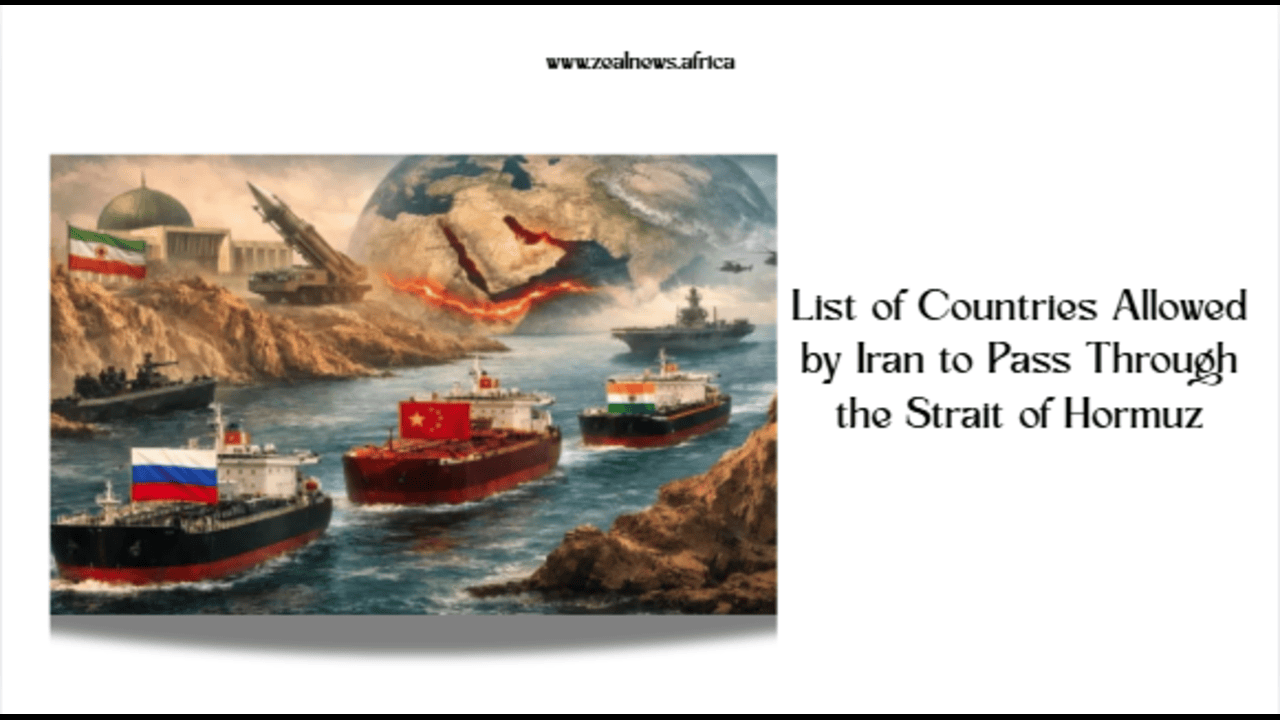
Tensions in the Middle East have been escalating following the February 28, 2026 conflict involving Iran, the United States, and Israel.
In the aftermath, shipping activity through the Strait of Hormuz, one of the world’s most important oil transit routes, was significantly disrupted, creating global concerns over energy supply and maritime security.
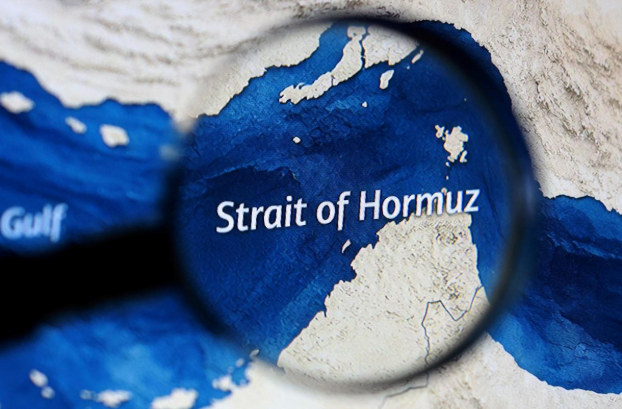
The Strait of Hormuz connects the Persian Gulf to global shipping lanes and handles roughly 20–25% of the world’s seaborne oil trade, making it one of the most strategically important waterways globally.
Any disruption in this route often leads to immediate increases in oil prices and shipping costs.
Following the escalation, Iran moved toward what has been described as a selective blockade, restricting ships linked to hostile nations while allowing vessels from neutral or friendly countries to pass under certain conditions.
Ship tracking data from EuroNews later showed that while traffic declined significantly, some vessels from specific countries continued to transit the waterway.
Below is a list of countries whose ships were allowed passage through the Strait of Hormuz during the restricted period.
1. China
China was among the first countries whose ships were reportedly permitted to pass through the Strait of Hormuz.
As one of Iran’s major oil buyers and trading partners, China maintained shipping activity through the region under coordinated arrangements.
Maritime analysts noted that some Chinese-linked vessels continued operating despite the broader disruption.
2. Russia
Russia was also listed among countries whose ships were allowed to transit the Strait. Strong diplomatic and economic ties between Moscow and Tehran contributed to continued passage for Russian-linked vessels during the restricted period.
3. India
India, which depends heavily on Middle Eastern oil imports, engaged in coordination to allow selected vessels to pass. Some Indian tankers were observed navigating the waterway after security clearance and maritime coordination.
4. Pakistan
Pakistan was included among countries considered neutral or non-hostile. Reports indicated that Pakistani-linked ships were allowed limited passage through the strait during the restricted period.
5. Iraq
Given its geographical proximity and energy trade connections, Iraq was also among countries whose vessels continued to pass through the waterway under monitored conditions.

RECOMMENDED READ: 10 Surprising Things That Pass Through the Strait of Hormuz (That Have Nothing to Do With Oil)
6. Malaysia
Malaysia later joined the list after diplomatic coordination. Malaysian oil tankers were permitted to resume transit following discussions aimed at ensuring safe passage for energy shipments.
7. Thailand
Thailand secured permission for at least one oil tanker to pass through the Strait of Hormuz following bilateral coordination. The vessel later resumed its journey after receiving clearance.
8. Bangladesh
Ships heading toward Bangladesh were reportedly not subject to restrictions. Maritime officials indicated that vessels linked to Bangladesh were considered non-hostile and allowed to proceed.
9. Japan
Japan also entered negotiations for safe passage. Given its heavy reliance on Middle Eastern oil imports, arrangements were made to allow Japanese vessels to transit through the waterway.
10. Select Neutral and Non-Hostile Countries
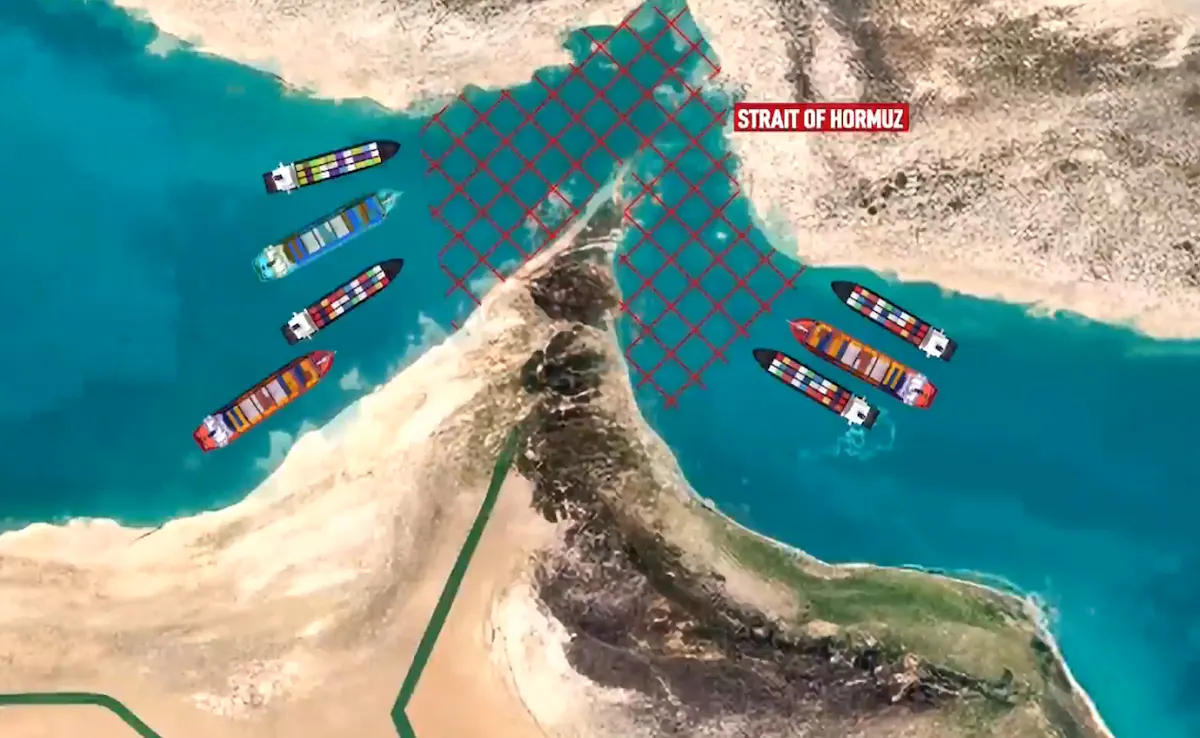
Beyond specific nations, Iran indicated that ships from countries not involved in hostilities and those complying with security regulations could still pass through the Strait of Hormuz.
This resulted in limited but ongoing shipping activity during the period of tension.
Although the Strait of Hormuz was not fully closed, the selective restrictions significantly reduced global shipping traffic and increased oil market volatility.
Even partial disruptions in the waterway were enough to impact fuel prices and global energy supply chains.
The situation revealed how geopolitical tensions in the region can quickly influence global energy markets, shipping operations, and economic stability worldwide.