Keir Starmer's Leadership Turmoil: Lifeline or Lost Authority?
Keir Starmer's leadership faces severe challenge following Labour's election losses and internal calls for his resignation. Despite a wave of ministerial resignations and public pressure, Starmer remains defiant, with potential challengers like Wes Streeting and Andy Burnham facing obstacles. The deeply divided Labour party grapples with its future as Starmer attempts to regain control amidst ongoing turmoil.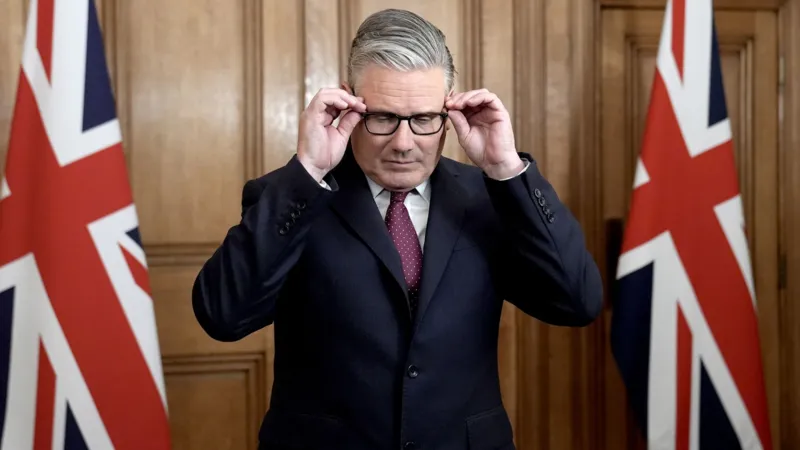
As Westminster prepared for the State Opening of Parliament, Prime Minister Keir Starmer was facing a major political crisis after Labour suffered heavy losses in recent elections across England, Scotland, and Wales.
The results triggered anger and frustration within his party, with many MPs questioning his leadership.
After Labour’s poor election results, Keir Starmer came under heavy pressure within his party, and his Monday speech, meant to reset his leadership, was widely seen as unsuccessful.
In response, many Labour MPs called for him to step down, and several ministers resigned, as Jess Phillips criticised him as weak and overly focused on process rather than real change.
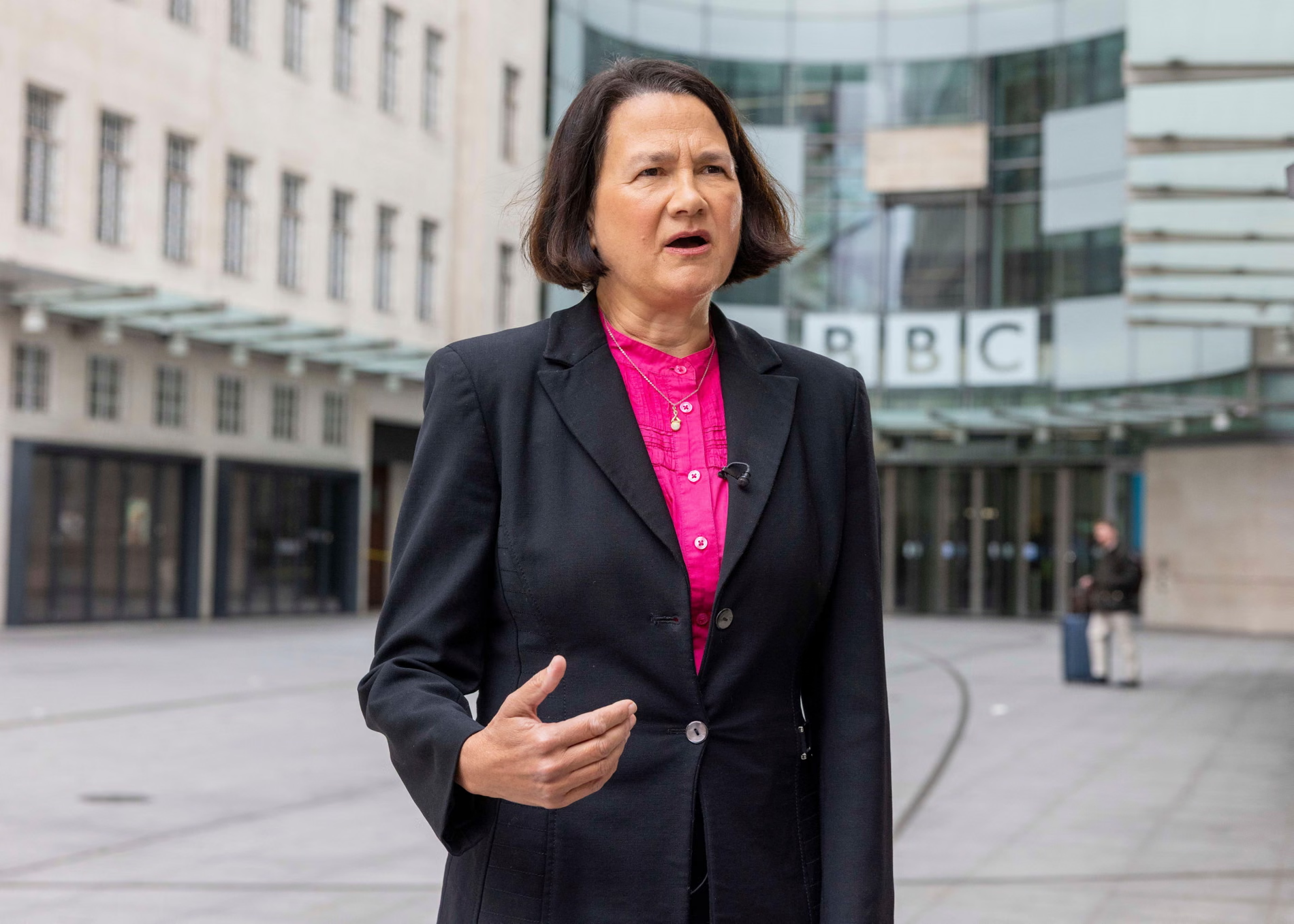
Tensions grew further when MP Catherine West briefly tried to organise support for a leadership challenge by seeking backing from 81 MPs.
Although her effort quickly failed, it intensified debate and brought leadership concerns to the forefront of the party.
Downing Street had hoped Starmer’s Monday speech would calm growing unrest, but it failed to do so.
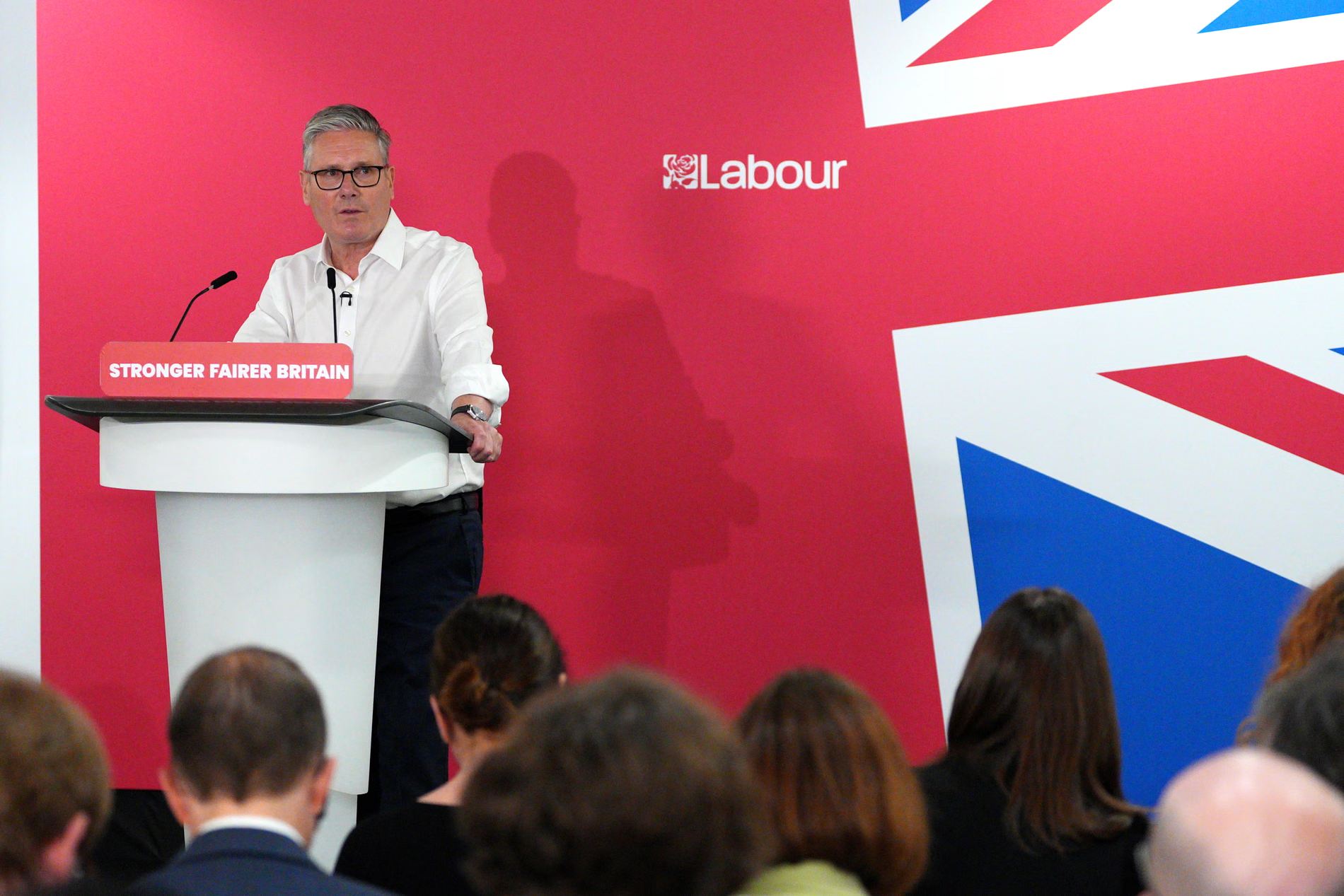
His policy changes were seen as minor, and more MPs began demanding he set a resignation timeline, while rumours spread of possible ministerial resignations.
A few lower-level officials resigned, and replacements were quickly appointed.
Reports also suggested that senior ministers, including the Foreign Secretary and Home Secretary, had privately discussed whether Starmer should step aside in an orderly way.
However, Starmer refused to resign and insisted on staying in office.
On Tuesday, political uncertainty continued as markets reacted to the crisis. Downing Street released Starmer’s statement insisting that no leadership challenge had been triggered and that the government would continue working as normal.
During the cabinet meeting, the focus was quickly shifted away from internal tensions. However, Starmer’s approach frustrated some MPs, and criticism of his leadership grew.
Several ministers resigned, including Miatta Fahnbulleh, Jess Phillips, Alex Davies-Jones, and Zubir Ahmed.
These resignations, along with ongoing disagreements within the party, highlighted deep divisions over Starmer’s leadership and direction.
The party remained starkly divided, with over 90 backbenchers calling for Starmer’s exit, while more than 100 MPs signed a letter asserting that a leadership contest would be “ludicrous and damaging.”
While some cabinet ministers privately believed a change was necessary, others publicly defended Starmer, and even among those seeking change, there were significant differences in timing.
Potential leadership challengers withinLabour faced obstacles.Andy Burnham was seen as a strong contender but would first need to return to Parliament via a by-election, which became less likely when an MP refused to step aside and backed Starmer instead.
Wes Streeting was considered another possible challenger, but by Tuesday it appeared he did not have enough MP support to formally launch a leadership bid, and talks with Starmer were expected.

Former leader Ed Miliband was mentioned as a possible “backup” option in case of a contest, but his camp denied he was planning to run.
Meanwhile, Labour unions were divided, with some calling for Starmer to set a timeline for stepping down.
However, they agreed he was unlikely to lead the party into the next election and would eventually need to be replaced.
By Tuesday night, Starmer felt more secure as no credible leadership challenger had emerged.
Deputy Prime Minister David Lammy defended him, saying no one had the support or numbers to replace him and urging MPs to focus on governing.
Downing Street appointed new ministers to replace those who had resigned, while Home Secretary Shabana Mahmood confirmed she would continue in her role.
Although Starmer survived the immediate crisis, doubts remained within the party about whether he could lead Labour into the next election without major improvements.