Ibadan Restores Its Drum Heritage After Years of Cultural Decline
Once silenced by modernity and neglect, Ibadan’s legendary drum festival has roared back to life, but can its revival truly bridge the past and the present?
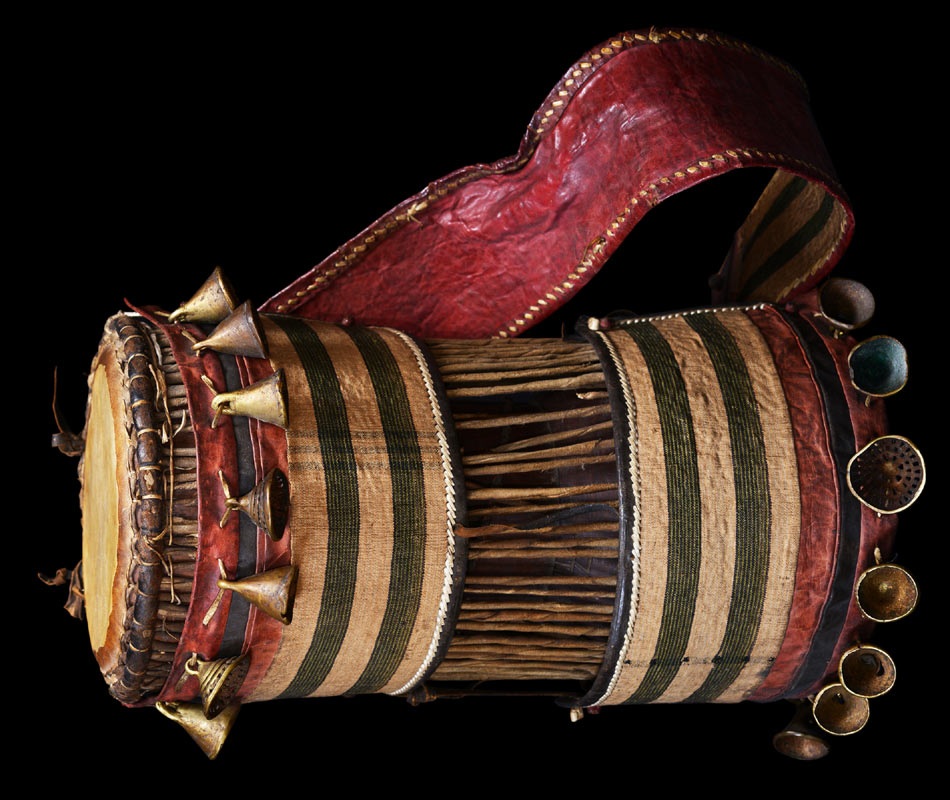
For decades, the ancient city of Ibadan, the cultural heartbeat of southwestern Nigeria, lived in eerie silence. The drums that once defined its soul echoing through Mapo Hill, Oje Market, and the old neighborhoods of Beere were no longer heard. The Ojú Ọpá Drumming Festival, a symbolic celebration of Yoruba rhythm and community, had slipped into obscurity. What was once a spectacle of sound and spirituality became a faded echo, remembered only in the stories of elders who witnessed the city’s pulse before it quieted.
The festival was not merely an event; it was a living archive of Yoruba heritage, a space where the bàtá, ìlù dùndún, and ògídán drums conversed in ancestral tones. These instruments, sacred and symbolic, carried the history, identity, and spiritual consciousness of a people. But by the late 1990s, the festival had disappeared. The cultural erosion came gradually, swept away by urbanization, religious conservatism, and the Westernization of entertainment.
Drumming, once a unifying language, became stigmatized. Many began to associate traditional music with idolatry, a perception reinforced by the growing influence of churches and mosques that viewed indigenous sound as “pagan.” The soundscape of Ibadan changed. The motorcycles, megaphones, and market noise replaced the once-communal rhythm of àlùjó drummers. Professor Oyetade of the University of Ibadan’s Department of African Studies once remarked, “When a drum stops, a people lose the ability to hear their own history.”
But in 2023, something extraordinary happened, the drums returned.
Why the Festival Disappeared
The disappearance of Ibadan’s historic drum festival wasn’t sudden, it was the result of cultural erosion, urban transformation, and shifting social values that unfolded over decades.
Urbanization and Modern Distractions:
As Ibadan grew into a sprawling metropolis through the 1980s and 1990s, traditional events lost visibility. The younger generation became more drawn to modern entertainment; radio, television, and later, digital media leaving indigenous festivals underfunded and forgotten.Religious Pressure:
The rise of both Christian and Islamic revival movements across southwestern Nigeria in the late 20th century led to the stigmatization of traditional practices. Drumming, chants, and masquerade performances were increasingly labeled as “pagan” or “idolatrous,” discouraging families from allowing their children to participate.Lack of Government Support:
Cultural preservation took a back seat to political and economic concerns. Local councils and state ministries often cut funding for heritage festivals, redirecting resources to modern events that promised faster publicity returns.Generational Disconnect:
Many of the master drummers and àyàn families who carried the traditions died without formal apprenticeships or recorded archives. Without successors, the knowledge and performance traditions faded.Cultural Westernization:
The growing influence of Western education and pop culture reshaped how Nigerians defined progress. Indigenous arts were sidelined as relics of the past, while foreign sounds and festivals gained appeal.
Essentially, the festival didn’t vanish in a single year, it faded quietly, drowned by city noise, modernization, and moral reinterpretation.
The Rebirth of Rhythm
A coalition of cultural custodians, historians, and youth artists under the banner of the Yoruba World Heritage Initiative began an ambitious movement called Àyàn Rebirth. The aim was to revive Ibadan’s drumming legacy, not as nostalgia, but as a statement of identity. What began as a small gathering of local drummers quickly transformed into a massive cultural revival supported by heritage groups, art institutions, and the Oyo State Ministry of Culture and Tourism.

Families unearthed centuries-old drums that had been kept in wooden boxes; retired drummers came out of hiding to teach apprentices; and oral historians pieced together forgotten rhythms passed down through generations. When the first festival under the rebirth banner took place at Mapo Hall, Ibadan’s most iconic public square, the city rediscovered its sound. Thousands attended, drawn by curiosity, pride, and longing.
The atmosphere that day was unlike any other. From the deep roll of the bàtá to the talking tones of the dùndún, Ibadan trembled with life again. It was as if the city exhaled history, releasing decades of silence into a storm of rhythm. The symbolism went beyond performance, it was a reclaiming of cultural voice in a nation still balancing tradition and modernity.
Between Heritage and Modern Hype
Culture
Read Between the Lines of African Society
Your Gateway to Africa's Untold Cultural Narratives.
The rebirth sparked national attention. News outlets, including The Guardian Nigeria, Vanguard, and the National Commission for Museums and Monuments, celebrated the revival as a win for Nigerian culture. Yet, amid the euphoria, concerns arose about authenticity and sustainability. Would this be a true cultural renaissance, or just another festival commercialized for tourism?
Social media fueled both excitement and skepticism. Some artists began fusing the ancient bàtá beats with Afrobeats, creating hybrid performances that appealed to urban youth. To many, this was a brilliant fusion of old and new, a cultural evolution. To others, it risked turning sacred sound into spectacle.
Still, the festival’s revival represented something larger than music. It was a reminder of resilience that even after decades of neglect, cultural memory can be reawakened. The revival demonstrated how local heritage could adapt to modern realities without losing its spiritual core.
The Drums as Living History
In Yoruba cosmology, drums are not mere instruments; they are voices of the ancestors. The bàtá drum, for instance, is sacred to Ṣàngó, the deity of thunder, while the dùndún often called the “talking drum” mimics human speech and preserves oral literature. According to UNESCO’s Intangible Cultural Heritage framework, traditional drumming is a vital vehicle for transmitting values, philosophy, and social history.
Ibadan’s lost festival had once embodied this spiritual connection. Every beat carried coded praise, proverbs, and historical messages. The disappearance of that sound, therefore, was not just cultural silence, it was spiritual disconnection.

The return of the drums signaled more than celebration; it marked a cultural reawakening. The drummers, many of them descendants of the original àyàn families, performed rituals of cleansing and remembrance before the first performance. It was not about spectacle but sanctity about restoring the bond between sound and spirit that modernization had weakened.
From Silence to Soundscape
The transformation was also economic. The festival’s comeback sparked local enterprise artisans began crafting traditional drums for sale, costume makers supplied attire for performers, and small vendors thrived during rehearsals and performances. The cultural economy of Ibadan began to stir again.
More importantly, the movement inspired youth engagement. Initiatives like Drum Ibadan Academy emerged, offering free drumming lessons to children and teenagers. Many who once saw indigenous art as irrelevant began embracing it with pride. A generation born into Afrobeats and hip-hop was rediscovering the ancestral rhythm beneath the beats.
But the success came with new challenges. As corporate sponsors entered the scene, debates arose about cultural ownership. Some elders expressed fears that commercial interest might dilute the sacred meaning of the drums. Others welcomed it as a necessary step toward sustainability. Between purity and progress, Ibadan once again stood at a crossroads much like it did decades ago when the festival disappeared.
As dusk falls over Mapo Hill, the echoes of bàtá and gángan still rise from the heart of the city. It’s a sound that transcends nostalgia, it’s survival. The young drummers, guided by their mentors, are now documenting their rhythms online, archiving oral traditions for the digital age. They collaborate with ethnomusicologists, work with universities, and share their craft at international events like the Lagos International Drum Festival and the Pan-African Heritage Forum in Ghana.
Ibadan’s new generation of drummers embodies the delicate dance between tradition and technology. They understand that for the drum to live, it must speak to both the ancestors and the algorithm.
Cultural Continuity or Cultural Commercialization?
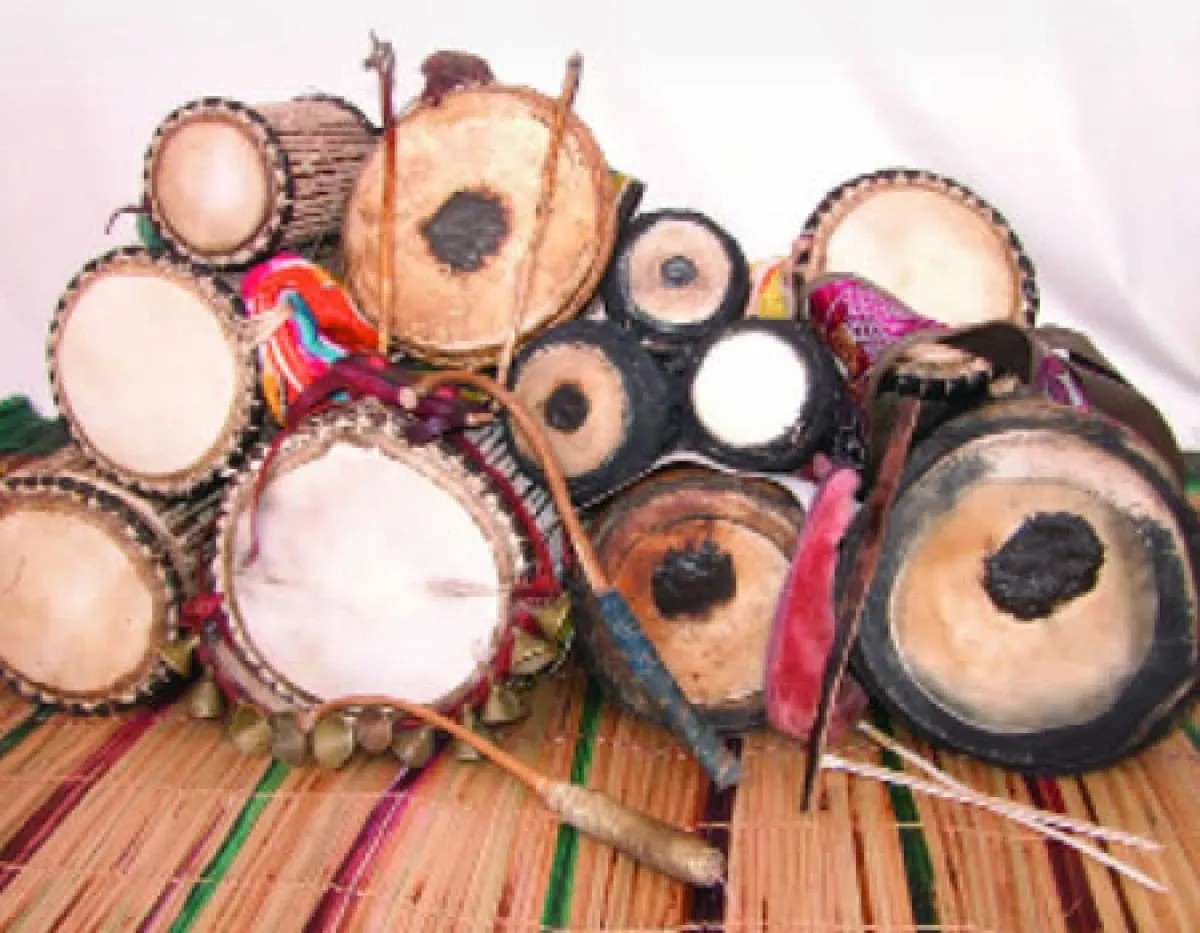
Yet, beneath the celebration lies a crucial question: what happens when cultural heritage becomes entertainment? Some scholars argue that once a tradition enters the global stage, it risks losing its original meaning. Others see this as evolution, a way to keep culture alive in changing times.
Ibadan’s drum revival sits at this tension point. The older generation hears in it the voice of ancestors restored; the younger hears opportunity, creativity, and pride. Both are right. The festival’s new form may not resemble its old version, but its spirit, the rhythm of resistance and resilience remains unmistakable.
Culture
Read Between the Lines of African Society
Your Gateway to Africa's Untold Cultural Narratives.
Today, the Ojú Ọpá Festival reborn as Àyàn Rebirth continues to grow. Each year brings more participation, wider recognition, and deeper conversations about cultural identity.
For a city that once fell silent, this revival is not just a performance; it is an act of remembrance. The drums of Ibadan tell the story of endurance of a people who refused to forget their sound even when the world moved on.
And so, as the drums thunder once more through the streets of this ancient city, Ibadan stands tall, proof that even when silence falls, heritage never truly dies.