Nigeria's Oil Palm Industry Is Waking Up and the Stakes Could Not Be Higher
Nigeria has validated a sweeping Oil Palm Development Strategy targeting 9–10 million metric tonnes of production by 2050, a 10% share of the global market, and two million people lifted out of poverty. This is what the plan actually involves and why it matters beyond agriculture.
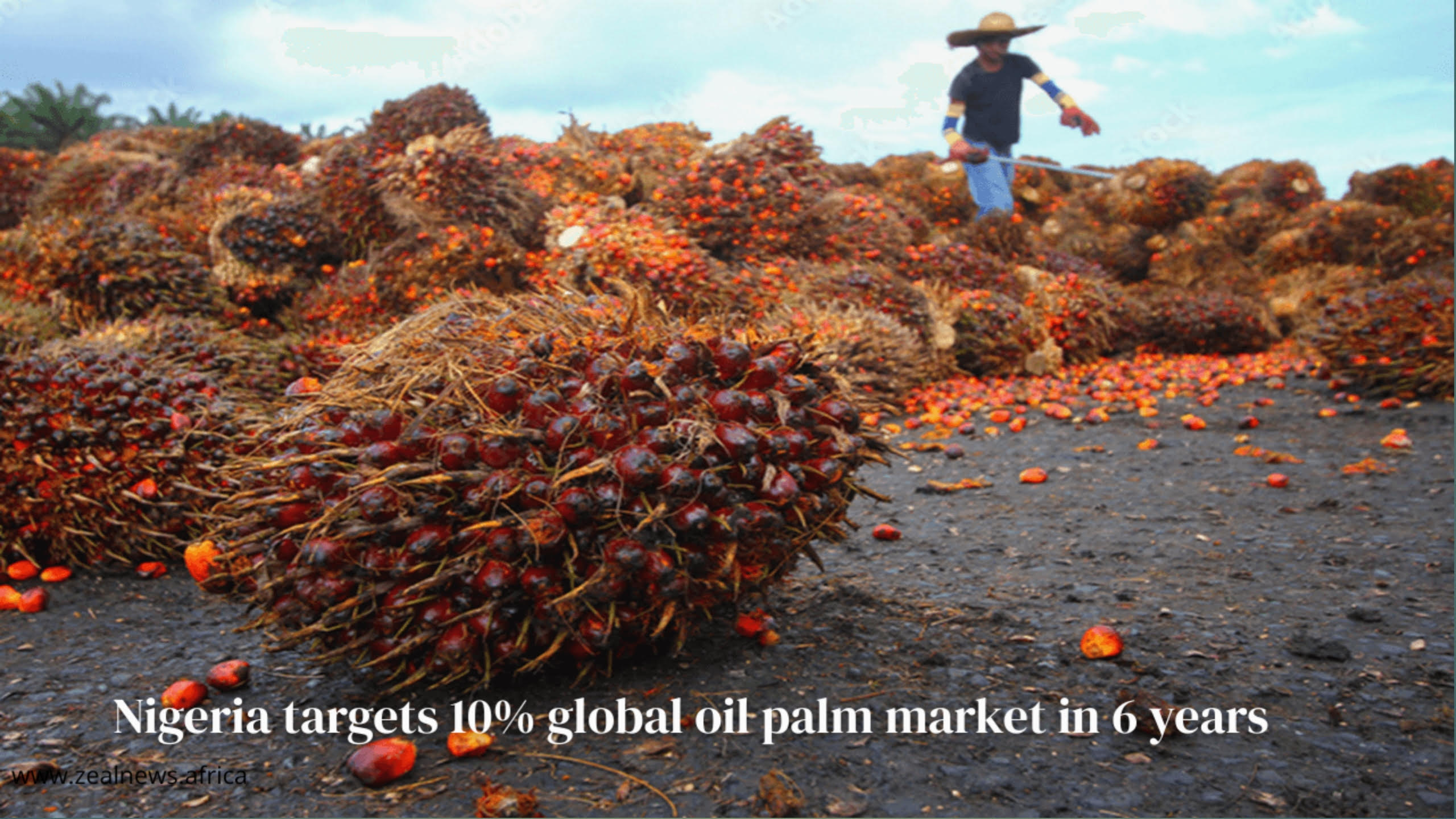
After decades of squandered potential, Nigeria has a plan to reclaim its place at the top of an industry it once dominated.
There is a particular kind of irony in being the biggest and still not being the best.
Nigeria sits at the top of Africa's oil palm table, the continent's largest producer, largest consumer, largest importer, and largest exporter all at once and yet, globally, it ranks a distant fifth.
It produces between 1.4 and 1.5 million metric tonnes of palm oil every year, imports heavily to cover its own domestic gap, and watches countries that entered the industry long after it did pull further and further ahead.
Malaysia and Indonesia now set the pace for the entire world. Nigeria, which was producing and exporting palm oil long before petroleum changed everything, is still trying to find its footing.
That, at least, is the story so far.
What happened in Abuja on April 2, 2026 suggests a new chapter may finally be opening.
The Plan on the Table

The federal government, alongside key industry stakeholders, gathered to validate the Nigerian Oil Palm Development Strategy, a comprehensive national blueprint designed to fundamentally restructure the sector from the ground up.
Nigeria intends to grow its annual production from the current 1.4 to 1.5 million metric tonnes all the way to between nine and ten million metric tonnes by 2050.
It wants to capture at least ten percent of the global oil palm market.
And within just six years of implementation, the strategy is projected to lift around two million Nigerians out of poverty, not as a side effect, but as a direct goal.
To get there, the framework is building new architecture from scratch.
A National Oil Palm Council will provide central regulatory oversight, something the industry has critically lacked, leaving it fragmented and unattractive to serious investors for years.
An Oil Palm Development Fund and a National Smallholders Development Fund will channel financing into the sector, with part of the funding drawn from palm oil tariffs.
The Nigerian Institute for Oil Palm Research is being elevated into a full Nigerian Oil Palm Board, with a sharper mandate around research, innovation and development.
Perhaps the most interesting piece of the strategy is its geographical expansion.

Oil palm cultivation has historically been concentrated in southern Nigeria, but the new framework deliberately pushes into Taraba, Niger and Kogi states.
Taraba alone covers around 69,000 square kilometres of land suited for cultivation and benefits from longer sunshine hours than most of the south, plus reliable water sources in key areas. The north, long overlooked in this conversation, is now part of the solution.
Why This Is Bigger Than Farming
It is easy to hear "oil palm strategy" and file it under agricultural policy which is important but distant.
Palm oil is not just a cooking ingredient, but an industrial raw material woven into food production, cosmetics, pharmaceuticals and manufacturing.
When Nigeria imports palm oil to meet its own domestic demand despite being Africa's top producer, it is exporting money, jobs and economic activity that should be staying home.
Reviving this sector meaningfully means reducing that import dependence, strengthening local manufacturing supply chains, expanding smallholder farmer incomes, and creating employment at scale across both rural and urban value chains.
The governance model being adopted draws deliberately from Malaysia and Indonesia — countries that turned oil palm into an economic cornerstone through structure, investment and consistency.
Nigeria has the land, the climate and enormous domestic demand, what it has historically lacked is exactly what this strategy is trying to build: coordination, regulation and sustained commitment.
The private sector is being directly invited in, with the policy framework designed to create the kind of enabling environment that serious investors need before they commit.
Conclusion
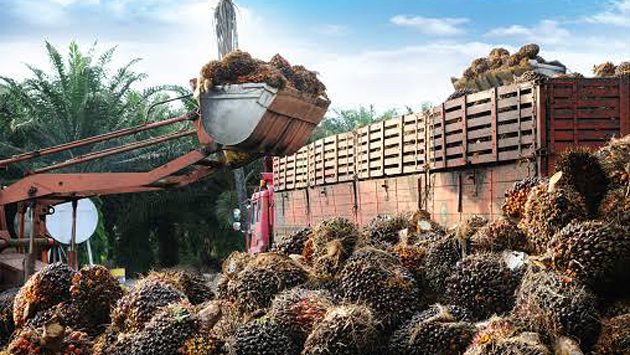
Nigeria has been here before, full of potential, short on follow-through. The oil palm industry was once this country's pride before petroleum made everyone look the other way.
Reclaiming that ground will not happen overnight, and a validated strategy is only as good as its implementation.
But for the first time in a long time, there is a plan specific enough to be held accountable.
That, in itself, is worth paying attention to.