It's Easier to Fly to Europe Than to Another African Country, And That's Not by Accident
Intra-African travel remains harder than trips to Europe due to colonial-era borders, weak passports, and policy choices—raising questions about mobility, trade, and Africa’s future.

Two scrolls on IG have you coming across a motivational video where you are asked to travel in your early 20s and explore. You wonder if they are being sarcastic, because aside from your wallet being in competitionwith the universe for which has more space, you are Nigerian, which is more serious than you think.
For example, you somehow have some money to spare and you want to visit Accra for the weekend. Ghana is just four hours by road, shares a colonial history with you and is in the same regional bloc. Yet, you need a visa.
Meanwhile, a French tourist can waltz into more African countries than you can on your own continent. Now, as ironic as that might sound, it is the reality, the policy and it has a history.
Aliko Dangote, Africa's richest man, once sat at an African CEO forum in Kigali and lamented how difficult it was to visit other African countries with his Nigerian passport.
Sitting next to him was Patrick Pouyanné, the CEO of TotalEnergies, a Frenchman who, with his European passport, had visa-free access to more African countries than Dangote did. If that doesn't put it in perspective, nothing will.
The numbers are there. In 46% of all intra-Africa travel scenarios, a visa is still required. Only 28% of intra-African travel routes are fully visa-free.
Meanwhile, G7 citizens — from Canada, France, Germany, Italy, Japan, the UK, and the US — can access 85% of the world with their passports visa-free. Africans are travelling with one hand tied behind their back.
Why is this the reality? The easy answer is security and sovereignty. The real answer is older than that.
The Berlin Conference Never Really Ended
In 1884, European powers gathered in Berlin, carved Africa into territories with no regard for existing kingdoms, ethnic groups or cultural ties and shared amongst themselves like an ice-cream cake.
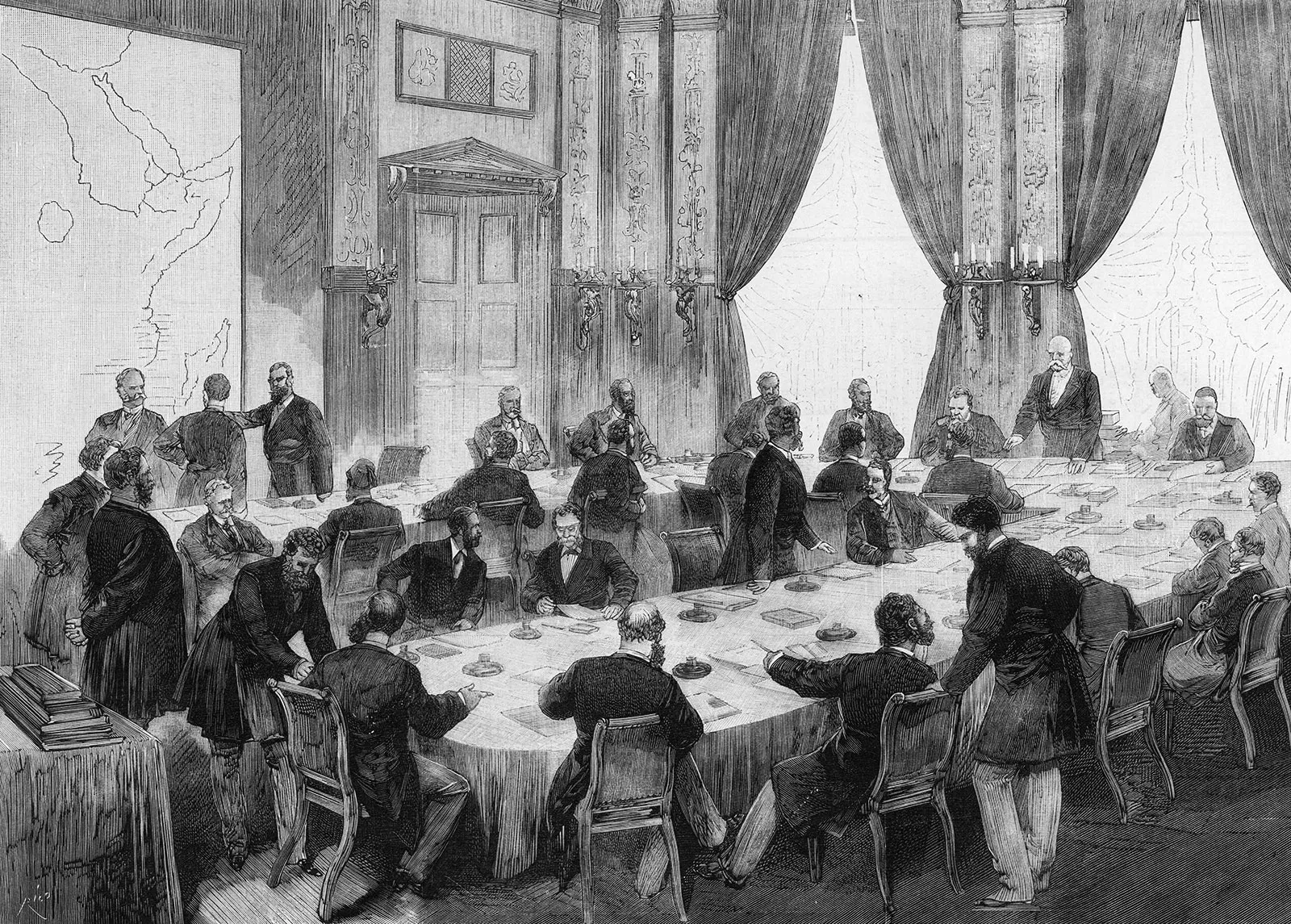
The process ignored ethnic, linguistic, and cultural divides while drawing new borders from scratch. Those borders became the foundation of modern African nations and modern African immigration policy.
Activists and scholars trace Africa's restrictive internal borders directly to that 1884–1885 Berlin Conference, arguing that modern African visa requirements replicate the same logic that governed the colonial-era movement of Black Africans.
When colonisers left, they left behind the bureaucratic architecture of control. African governments inherited border systems designed not for the free movement of African people, but for the management of colonial subjects and many of those systems stayed intact.
There are also economic dimensions at play. Passport strength correlates almost directly with GDP.
Germany ranks fourth on the Henley Passport Index, meaning Germans can travel visa-free to 192 destinations. Tanzania ranks 65th with access to just 68 while Nigeria ranks 88th with access to 44.
Stronger economies negotiate better bilateral travel agreements. Poorer economies don't have the leverage and often face conditions from wealthier nations that make reciprocal access harder to negotiate.
The Security Excuse Is Not Selling Anymore
African governments often cite security concerns as the reason for maintaining visa restrictions but Rwanda has dismantled that argument entirely.
Rwanda maintains a visa-free policy despite bordering unstable regions and advocates argue that technology — biometric systems, shared intelligence databases, and improved border infrastructure — is the solution, not visa walls.

Benin, Seychelles, Rwanda and The Gambia are currently the only African countries that do not require visas from any African traveller. These four are not just leading on values, they are leading on tourism revenue, business attraction, and regional influence.
They are proof that openness works.

For the Gen Z traveller trying to actually explore the continent, a few destinations stand out as more accessible than others.
Ghana has positioned itself as a Pan-African hub, particularly post-Year of Return. Morocco offers visa-free entry to citizens of many African states.
Kenya, after a messy experiment with electronic travel authorisations, reversed course in early 2025, exempting most African nationals from its ETA requirement to support tourism and regional integration.
East Africa as a bloc — Kenya, Uganda, Tanzania, Rwanda — remains one of the most navigable regions on the continent for African travellers.
The Cost of Closed Borders
This isn't just a travel inconvenience. Closed borders mean stunted intra-African trade, reduced tourism and fragmented cultural exchange.
The African Union's Agenda 2063 envisions free movement across the continent as a vehicle for boosting trade, facilitating labour mobility, and promoting pan-African identity.
The African Continental Free Trade Area can't reach its potential if the people meant to drive it can't move freely.
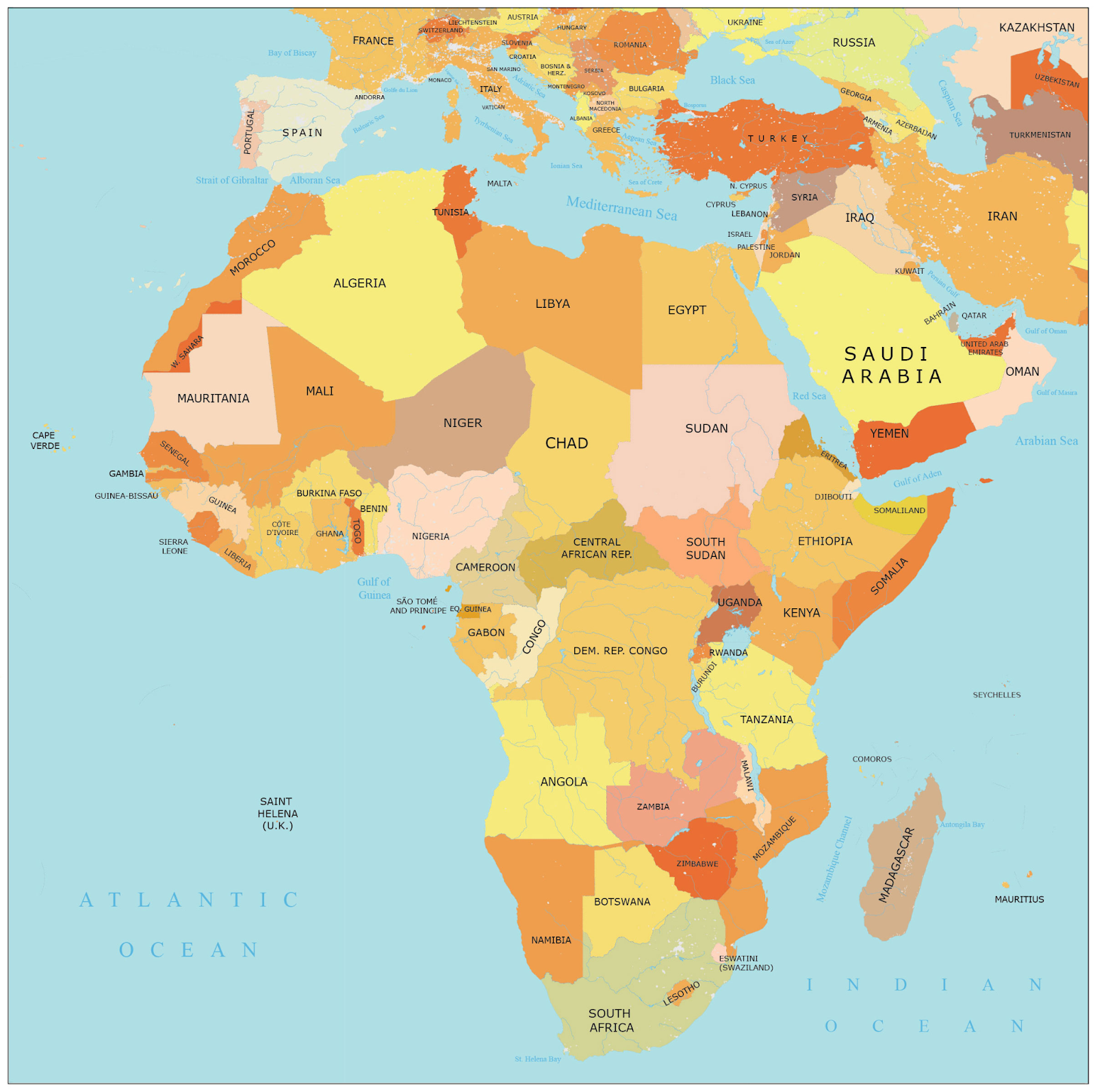
The continent that produced some of the world's oldest civilisations continues to treat its own citizens as suspects at borders it did not design. Every visa application fee paid by an African trying to visit another African country is money extracted from a system already running on deficit.
The borders were drawn against us. The question is whether we will keep enforcing them ourselves.