How Does a Smartphone Read My Fingerprint Accurately?
Learn how your smartphone reads fingerprints with precision. Explore capacitive, optical, and ultrasonic sensors, digital templates, and secure biometric technology.
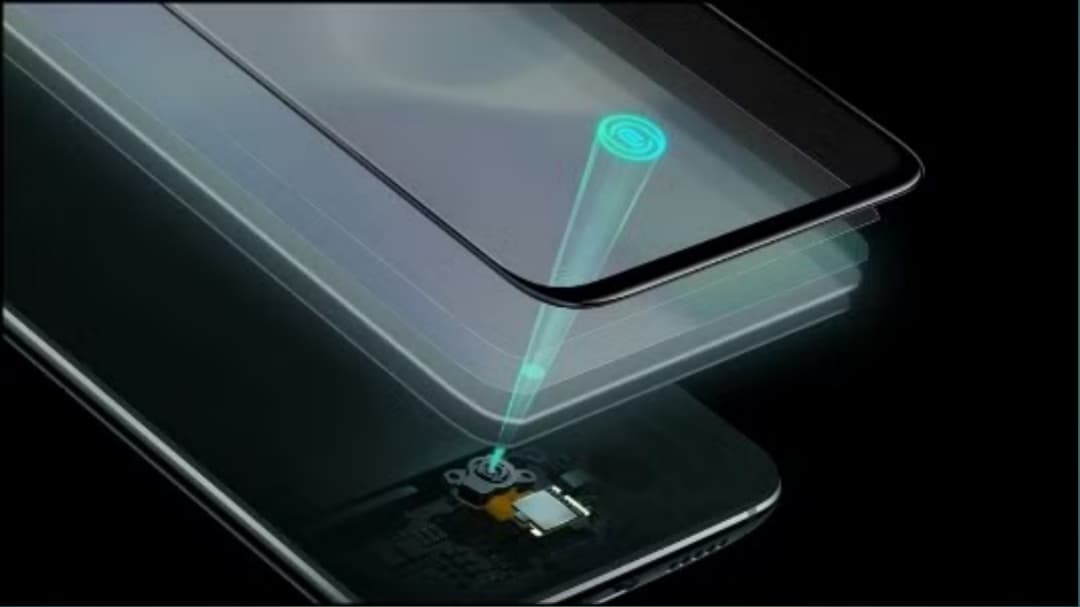
In today’s world, unlocking a smartphone with a fingerprint is not a new thing.
Talk about accessing apps to making payments, this tiny biometric feature keeps our data secure and convenient.
But you sure have thought of how your phone recognizes your fingerprint so accurately?
Let’s try to understand it.
What Is a Fingerprint?
A fingerprint is the unique pattern of ridges and valleys on the tip of your finger.
These patterns are different for everyone, even identical twins.
Because of this uniqueness, fingerprints are an excellent way to verify identity.
Types of Fingerprint Sensors
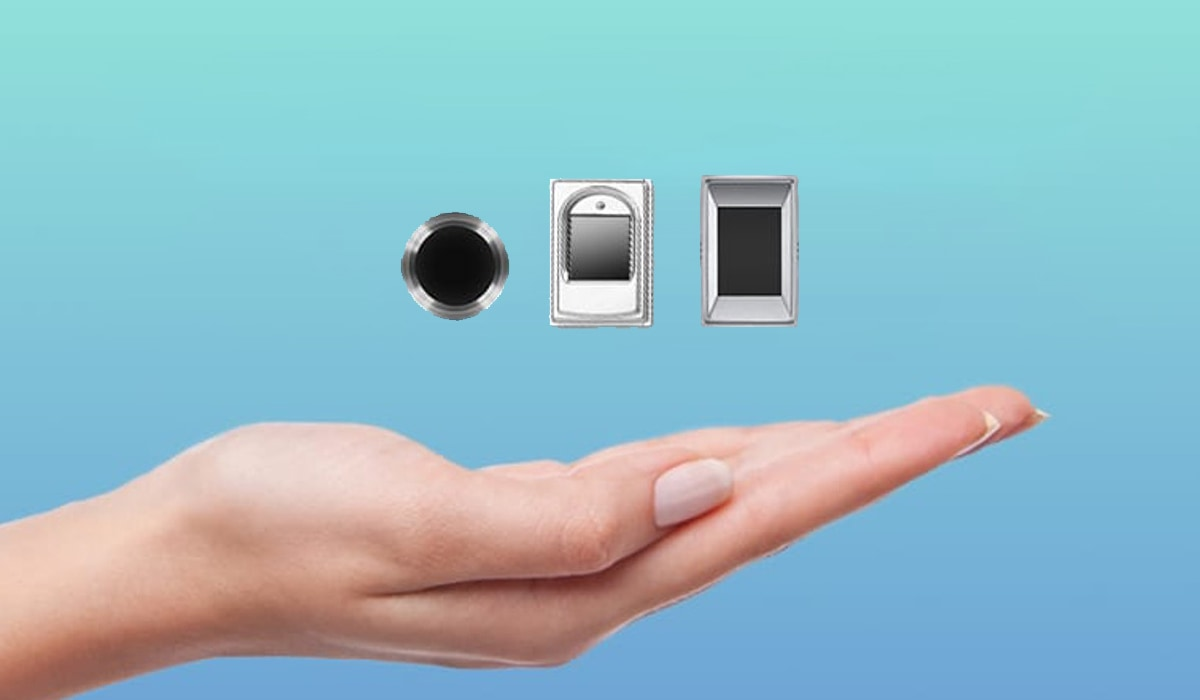
Modern smartphones use a few types of fingerprint sensors to read your fingerprint. The most common ones are:
Capacitive Sensors
These are found in most smartphones today. They don’t take a photo of your fingerprint. Instead, they measure the electrical charge differences between the ridges and valleys of your fingerprint. When your finger touches the sensor, the ridges conduct electricity differently than the valleys, creating a detailed map of your fingerprint pattern.Optical Sensors
These sensors work like a tiny camera. They shine light on your finger and capture an image of your fingerprint. The smartphone then analyzes the light and dark patterns to recognize the ridges and valleys. Optical sensors are less common in premium phones now but are still found in some models.Ultrasonic Sensors
Found in newer smartphones, ultrasonic sensors use sound waves to capture your fingerprint. They emit high-frequency sound pulses that bounce off the ridges and valleys of your finger. The sensor measures how the sound waves return to create a precise 3D map of your fingerprint. This technology works even if your finger is wet or dirty.
How Your Fingerprint Is Stored
When you first register your fingerprint on your smartphone, the device doesn’t store a picture of your finger. Instead, it converts your fingerprint into a digital template.
This template contains only the key features of your fingerprint, such as the unique points where ridges end or split.
This digital template is encrypted and stored securely in a part of your phone called the Trusted Execution Environment (TEE) or Secure Enclave.
Latest Tech News
Decode Africa's Digital Transformation
From Startups to Fintech Hubs - We Cover It All.
This secure area ensures that no apps or hackers can access your fingerprint data.
How the Phone Recognizes You
Every time you place your finger on the sensor, your smartphone scans it and converts the scan into a digital template. Then it compares this new template with the stored template using a process called matching.
The phone looks for specific points called minutiae points, which are the tiny details like ridge endings and splits. If enough points match the stored template, the phone unlocks. This matching process is very fast, often taking less than a second.
Accuracy and Security
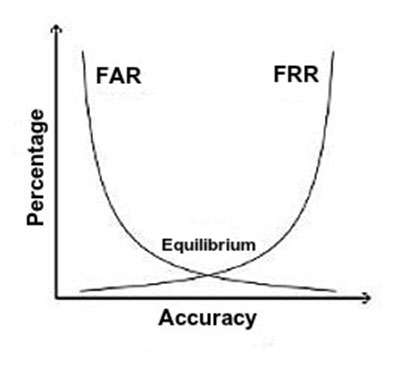
Smartphone fingerprint scanners are designed to be both accurate and secure. Accuracy is measured in terms of false acceptance rate (FAR) and false rejection rate (FRR).
FAR is how often the scanner mistakenly accepts someone else’s fingerprint.
FRR is how often it fails to recognize your own fingerprint.
Manufacturers aim to keep FAR extremely low, usually less than 0.001%, making it very unlikely for someone else to unlock your phone. At the same time, the FRR is kept low enough so you don’t get frustrated by failed attempts.
Conclusion
Fingerprint technology continues to evolve. Ultrasonic sensors are improving to read fingerprints under the screen with better speed and precision.
Smartphones read your fingerprint accurately thanks to a combination of advanced sensors, secure storage, and sophisticated matching algorithms. Whether it’s a capacitive, optical, or ultrasonic sensor, the device quickly maps the unique ridges and valleys of your finger, converts them into a secure digital template, and matches them whenever you unlock your phone. This seamless technology allows us to enjoy the convenience of biometrics without compromising security.
Next time you unlock your smartphone with a touch, remember that a lot of science is working silently behind the screen to verify it’s really you.