Nigeria's Biodiversity Is Slipping Away and a Key Law Still Awaits Presidential Approval
Nigeria’s conservation body is urging President Bola Tinubu to sign the Endangered Species Protection Bill into law, warning that biodiversity loss is accelerating and ecosystems are under severe threat.
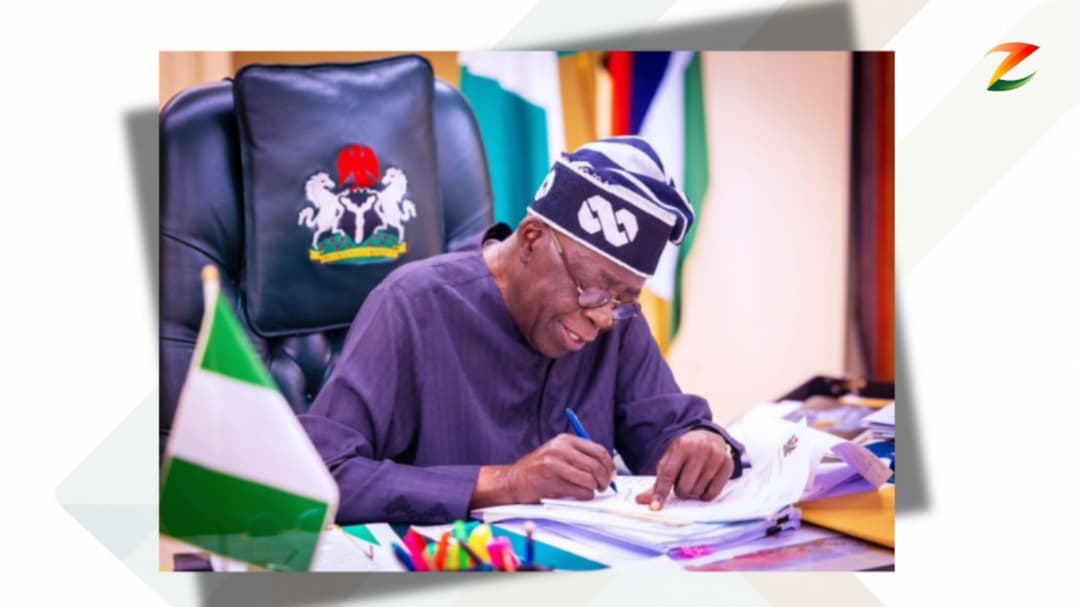
Nigeria's conservation community has renewed its call for urgent government action after the Nigeria Conservation Foundation (NCF) urged President Bola Tinubu to sign the Endangered Species Conservation and Protection Bill into law.
The bill, already passed by the National Assembly, is intended to strengthen wildlife protection, punish illegal trade in endangered species, and improve enforcement mechanisms that have long been described as weak or inconsistent.
Behind that appeal lies a deeper concern: Nigeria's natural environment is under mounting pressure, and the warning signs are becoming harder to ignore.
A Country Losing Its Natural Balance
Across Nigeria, forests are thinning, wetlands are shrinking, and coastal ecosystems are under stress. What was once a rich ecological landscape is gradually being reshaped bydeforestation, pollution, overharvesting, and rapid land use change.
Species that once thrived in dense forests and freshwater systems are increasingly losing the habitats they depend on to survive.
While Nigeria remains one of Africa's most biodiverse countries, conservation experts warn that biodiversity is directly tied to food systems, water availability, rural livelihoods, and long-term national development. When ecosystems weaken, the effects ripple into agriculture, health, and local economies.
Why the Proposed Law Matters Now

Nigeria has lost more than 90 per cent of its original forest cover, pushing several species closer to extinction and reducing the country's natural ability to regulate climate impacts.
The bill is seen as part of a broader attempt to align national policy with global biodiversity commitments, including targets to halt environmental degradation and protect a significant share of land and marine ecosystems. Experts are clear, however, that passing laws is only part of the challenge, implementation is where most gaps remain.
The Gap Between Policy and Reality
Nigeria already has the National Biodiversity Strategy and Action Plan (NBSAP), which aligns with theKunming–Montreal Global Biodiversity Framework and commits the country to halting biodiversity loss by 2030 and expanding protected ecological zones.
Yet progress has been uneven.
Limited funding, weak enforcement structures, and poor integration of environmental priorities into economic planning have slowed implementation, leaving conservation efforts heavily dependent on NGOs and local communities rather than strong institutional systems.
What Is at Stake for Everyday Life
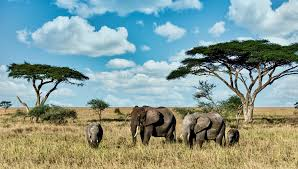
The consequences of biodiversity loss are deeply human. Rural communities that depend on forests for food, medicine, and income are among the first to feel the effects, facing changing rainfall patterns, soil degradation, anddeclining fish stocks.
Urban areas are not insulated either, as environmental stress feeds food price instability and water scarcity. The NCF has urged citizens to reject illegal wildlife consumption and discourage harmful practices, particularly those normalized on social media.

A Decision That Signals More Than Policy
Whether the Endangered Species Protection Bill becomes law will indicate how seriously Nigeria intends to confront the accelerating loss of its natural environment.
For conservation experts, ecosystems are already under strain, and delay only narrows the window for meaningful recovery.
The question is no longer whether action is needed, but how quickly it will come.