How Did Victoria Island In Lagos Earn Its Name?
A British queen who never visited Nigeria, a Lagos chieftaincy family paid off and displaced, and 300,000 people forcibly evicted in 1990 to make way for luxury real estate. This is the real history of Victoria Island.
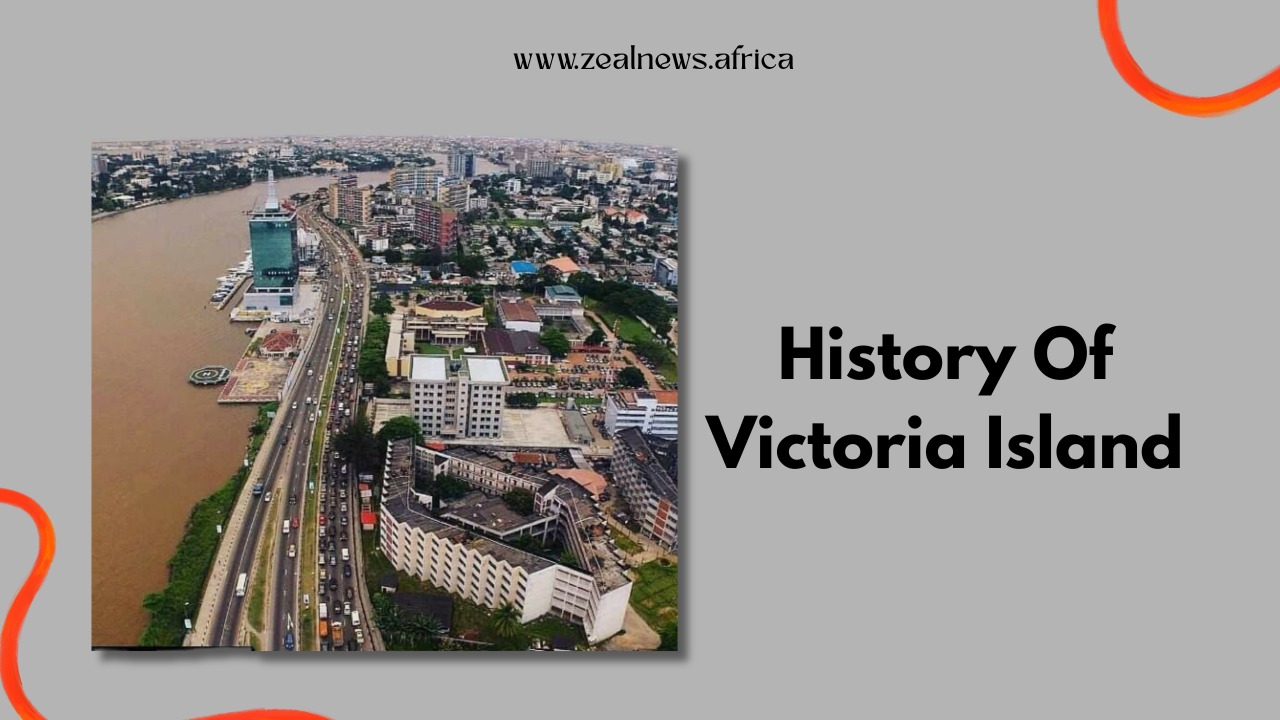
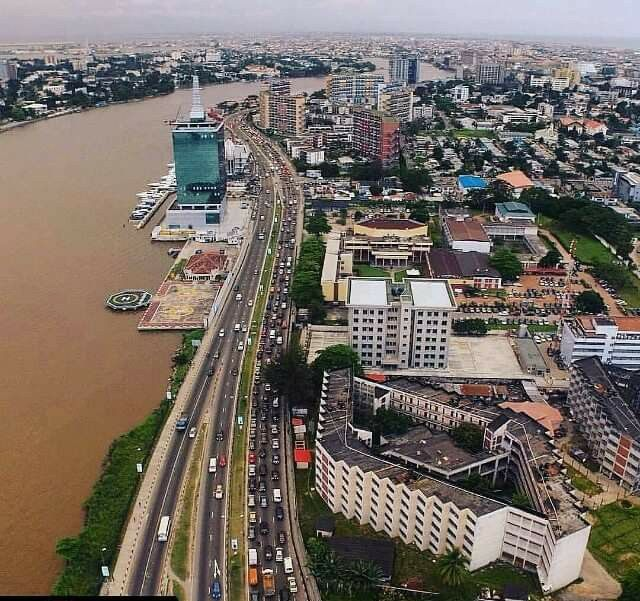
Every single day, thousands of Nigerians say the name Victoria Island. You hear it from uber drivers and real estate agents. It is on business cards, addresses, Instagram captions, and Google Maps. VI. The island. The destination.
Nobody really stops to ask: who is Victoria, and what does she have to do with Lagos?
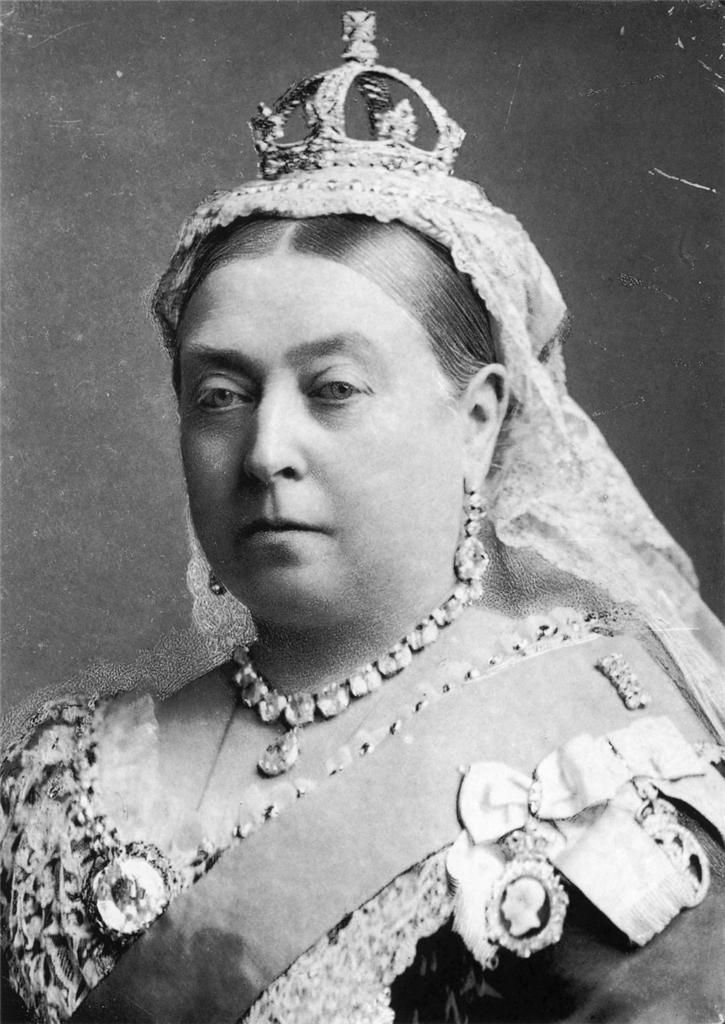
Victoria Island is named after Queen Victoria of Britain, who reigned from 1837 to 1901. She never visited Nigeria. She never visited West Africa. She sat in London while her empire expanded across the continent, and Lagos ended up with her name on one of its most prime patches of real estate.
That is colonialism in its most literal, most mundane form. Not just the occupation of land. The occupation of language. Of geography. Of the very names people use to navigate their own city.
What Victoria Island Actually Was Before the British Named It
Before the British arrived and decided to stamp a queen's name on everything in sight, the land that is now Victoria Island was not empty. It was not unclaimed. It was not waiting to be discovered.
A large part of the island was originally under the jurisdiction of the Oniru chieftaincy family of Lagos, with tenants inhabiting the land. Real people, functioning community, and shrines. A way of life that had existed long before any European ship docked in Lagos Harbour.
In the 19th century, Victoria Island was mostly swampy, undeveloped land. The British colonial government stretched its control over the zone and labeled it a residential area for European expatriates and senior colonial officers.
So this is what actually happened. The British arrived. They looked at land belonging to a Lagos chieftaincy family and decided it would make a comfortable enclave for their people. They named it after their queen. Then they built it exclusively for Europeans.
By 1872, Lagos had a total population of over 60,000 people. Fewer than 100 were of European origin, yet the colonial administration created a separate enclave for them.
Fewer than 100 Europeans. 60,000 Lagosians. And the colonial government used the land and resources of a city to build a premium residential area for the minority. Let that land for a second.
The Compensation, the Displacement, and the Village Called Maroko
The Oniru family eventually received payment for what was taken. In 1948, the Lagos Executive Development Board paid 250,000 pounds as compensation for the land acquired from the Oniru family and an additional 150,000 pounds as compensation for the inhabitants and shrines destroyed. The inhabitants were later resettled at Maroko village.
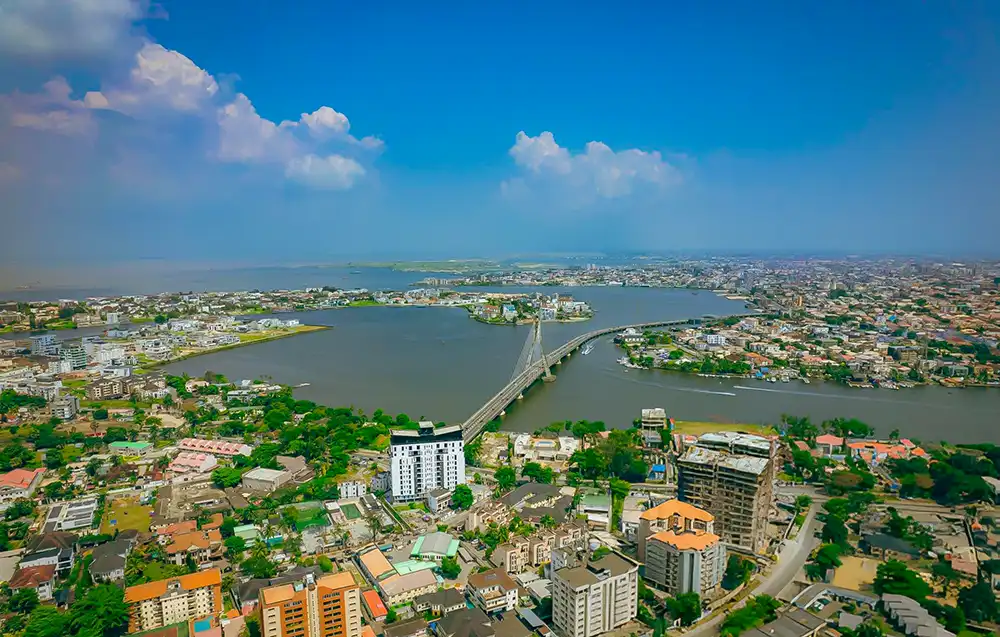
Victoria Island was originally a true island, fully enclosed by water. It was bordered to the south by the Atlantic Ocean, to the west by the Lagos Lagoon estuary, to the north by Five Cowries Creek, and to the east by extensive swamplands.
During the colonial period, the administration began sand-filling parts of the eastern swamps, mainly as a public health measure to reduce mosquito breeding grounds.
Over time, this intervention unintentionally created a land connection between Victoria Island and the Lekki Peninsula, effectively ending its status as a standalone island.
History
Rewind the Stories that Made Africa, Africa
A Journey Through Time, Narrated with Insight.
After Nigeria’s independence, successive Lagos State governments continued large-scale land reclamation and infrastructure development.
A major highway was later constructed linking Victoria Island to Epe, accelerating urban expansion along the Lekki–Epe corridor and encouraging residential growth, beginning with Lekki Phase 1.
The reclaimed swamp areas eventually became densely populated informal settlements, most notably Maroko, which housed many of Lagos’s incoming migrants.
Notice the sequence. The British had already done what they wanted with the land. The compensation came decades later, after the colonial machine had already built its enclave and established its footprint.
And the people who were actually living on the land, not the Oniru family but the ordinary tenants and inhabitants, were relocated to a place called Maroko.

That name matters, because Maroko is where this story takes its darkest turn.
300,000 People. One Military Operation. Thirty Years After Independence.
Fast forward to 1990. Nigeria is a sovereign nation. Colonialism is officially over. Lagos is a booming megacity and Maroko, the village where displaced Oniru tenants had been resettled decades earlier, has grown into a thriving community of over 300,000 people. Workers, traders, families. Some of them with legal title to their property.
The military Governor of Lagos State, Raji Rasaki, forcibly removed Maroko residents on July 14, 1990, resulting in numerous injuries. Governor Rasaki and his armed security forces caused the eviction of as many as 300,000 residents, some of whom had legal title to their property.
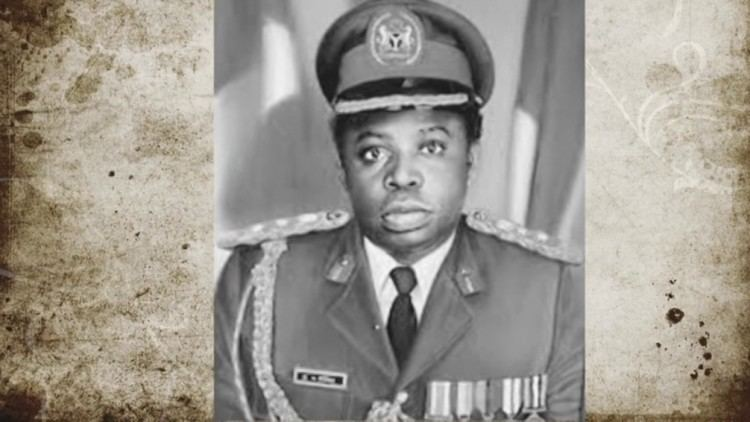
Officials claimed the move was for environmental reasons. Yet the land soon became the high-brow Victoria Island Annex and Oniru Estate.
300,000 people. Gone in a single military operation. The stated reason was environmental. The actual outcome was luxury real estate.
Between 1973 and 2024, there were 91 eviction exercises in Lagos. Some communities suffered repeated evictions, and more than two million people were affected directly.
The same logic the colonial government used to clear land for European enclaves in the 19th century was inherited, refined, and applied repeatedly by Nigerian governments against Nigerian citizens. The faces giving the orders changed. The playbook did not.
Why Nobody Has Renamed It and What That Says About Us
Nigeria gained independence in 1960. That is 65 years ago. There has been enough time, enough political will exercised on far less important things, to rename one island. It has not happened.
Victoria Island is one of the most commercially active addresses in West Africa. Companies are registered there, contracts reference it, and embassies sit there.
Changing the name would mean updating thousands of legal documents, property registrations, and addresses. It is expensive and disruptive and no government has decided the symbolism is worth the administrative effort.
History
Rewind the Stories that Made Africa, Africa
A Journey Through Time, Narrated with Insight.
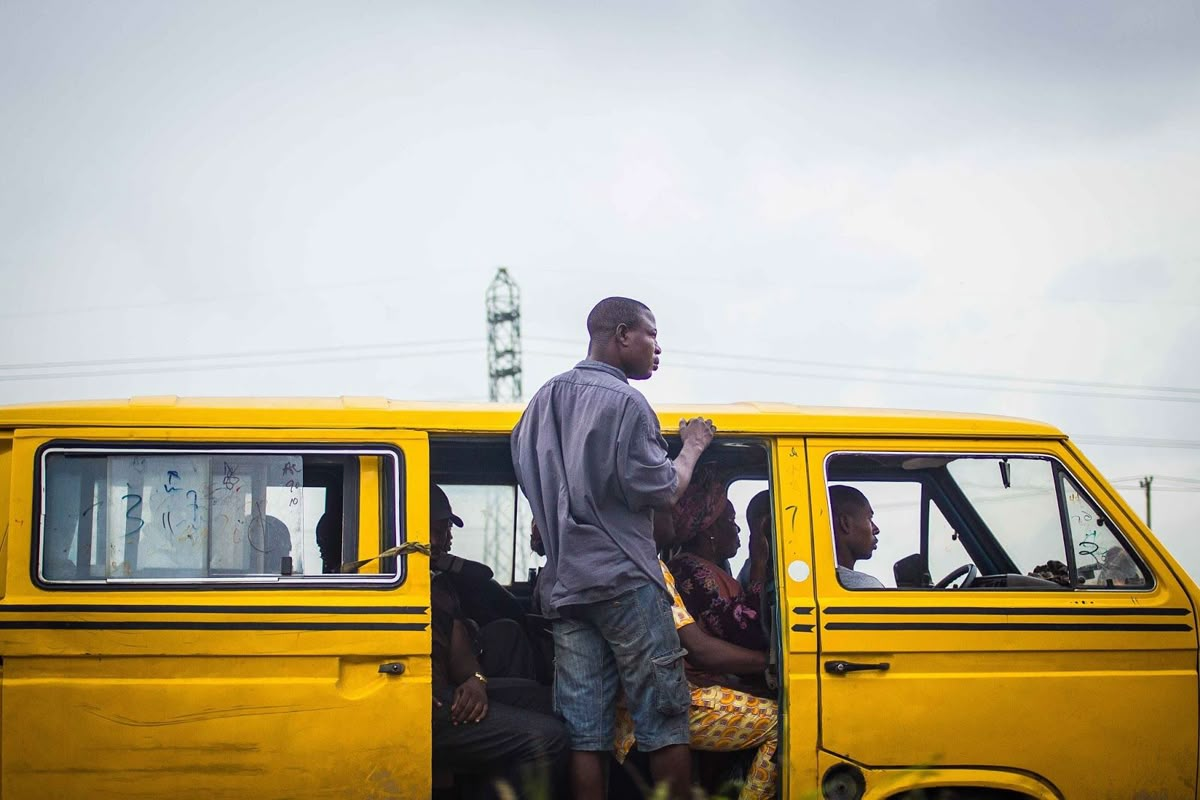
But the deeper reason is that colonial naming is one of the most invisible forms of colonial inheritance. Nobody wakes up angry about it. It does not cause immediate pain the way rent increases or evictions do. It just sits in everyday speech, a quiet daily reminder that someone else named your city and those names stuck.
Lagos itself is a colonial name, taken from the Portuguese word for lagoon (Lago de Curamo). The Yoruba name for the area is Eko. Ikoyi, sitting right next to Victoria Island, carries the same colonial administrative history. The pattern runs through the entire city.
What makes Victoria Island specifically worth talking about is the combination of what the name represents and what happened on the land it refers to. A queen who never came here. A community that was there before the British arrived.
A compensation payment that resettled people in a village called Maroko. And then, decades later, the violent eviction of 300,000 people from that same Maroko to expand the footprint of the very island built on their original displacement.
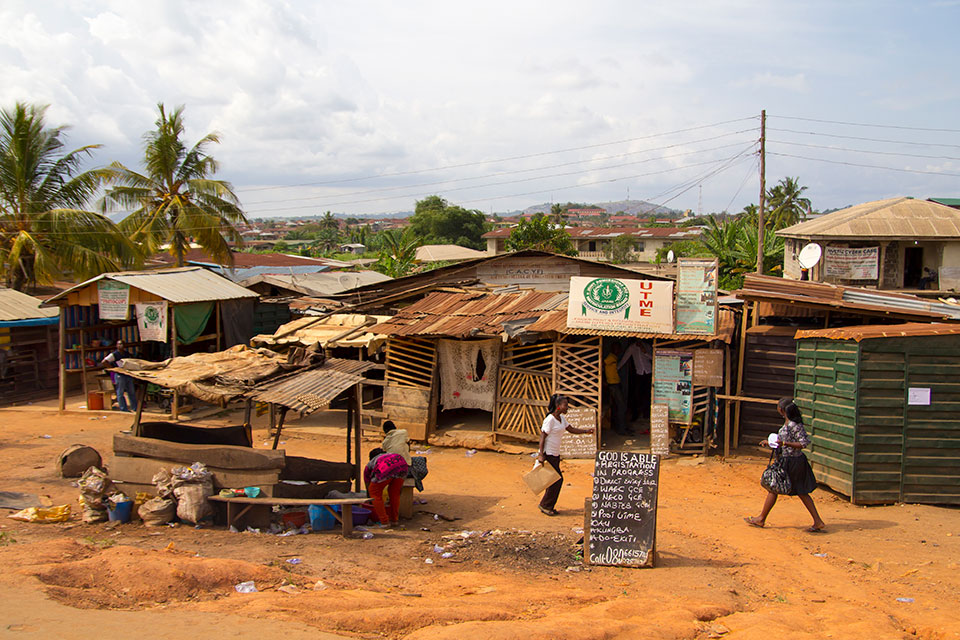
The name on the island is not the problem by itself. The problem is the pattern the name is sitting on top of.
Victoria Island is one of the most desirable addresses in Africa right now. The land is worth billions. The corporate headquarters are real. The restaurants are full on Friday nights.
And underneath all of it is a story about who was there first, how they were moved, where they went, and what happened when they got comfortable there too.
Queen Victoria never came to Lagos. But her name is still here. And the people who were pushed off the land that carries her name are still waiting for a version of this city that remembers they existed.