Senate Banking Committee Advances CLARITY Act Amidst Fierce Debate and Bipartisan Splits
The Senate Banking Committee has advanced the Digital Asset Market Clarity Act with bipartisan support, aiming to create a federal framework for cryptocurrency regulation. While proponents champion consumer protection and innovation, opponents warn of loopholes in securities law and ethical concerns, setting the stage for further debate in the full Senate.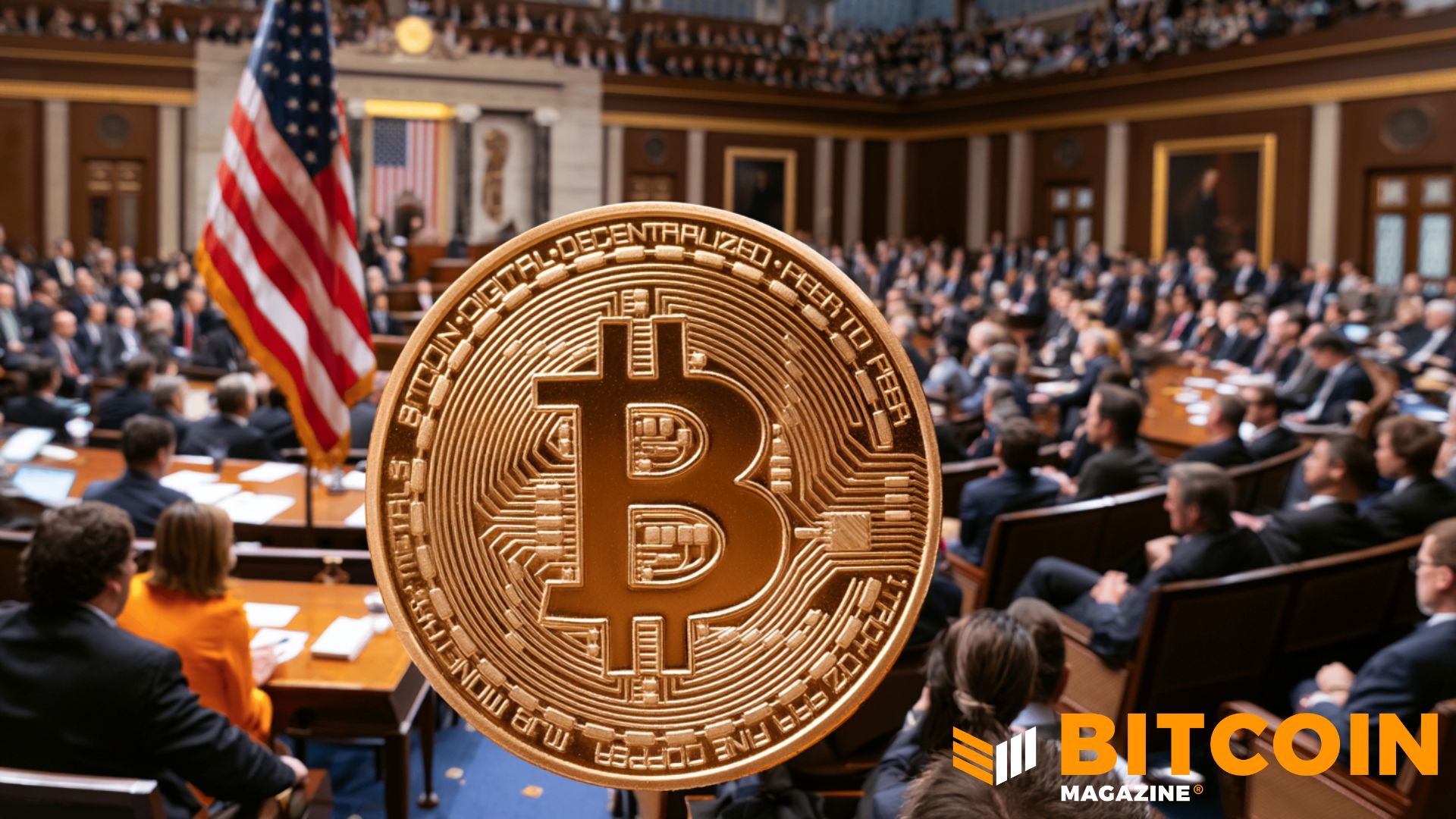
The Senate Banking Committee achieved a significant milestone by advancing the Digital Asset Market Clarity Act with a 15–9 vote, propelling a comprehensive federal framework for cryptocurrency regulation closer to a full Senate vote.
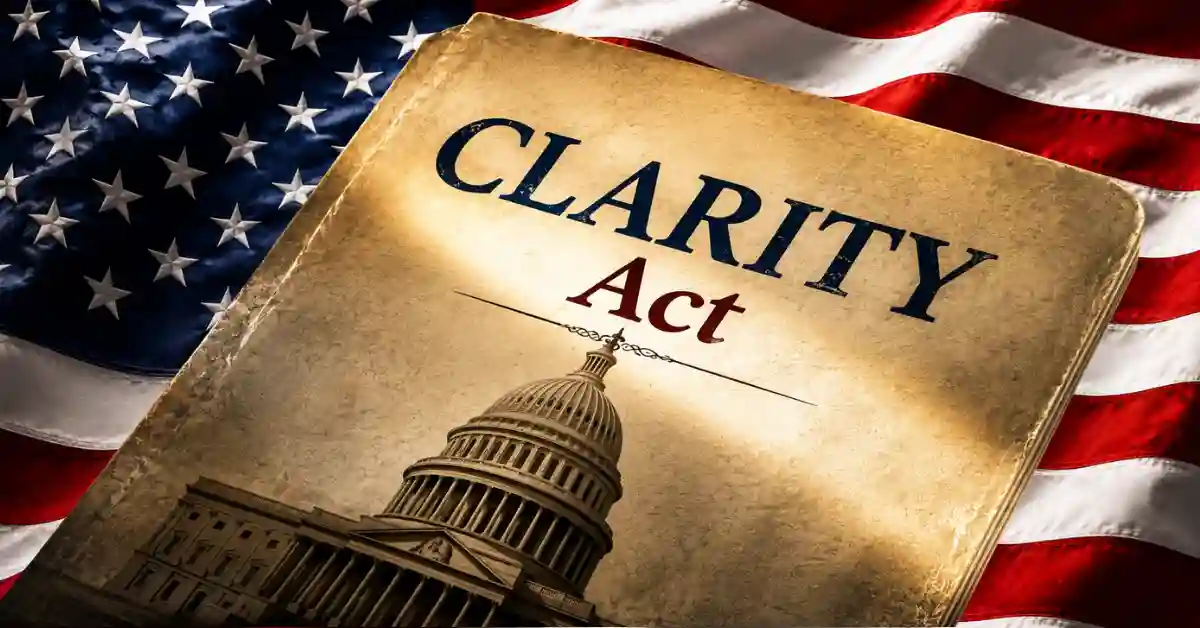
This landmark legislation, intended to establish clear rules for digital asset trading, stablecoins, and intermediaries, saw Senators Ruben Gallego (D‑Ariz.) and Angela Alsobrooks (D‑Md.) join all 13 Republicans in support, marking a crucial bipartisan effort.
Chairman Tim Scott (R‑S.C.) framed the bill as a necessary corrective to years of operating in a “regulatory gray zone,” aiming to protect consumers, retain innovation within the United States, and prevent criminals, terrorists, and hostile regimes from exploiting digital assets.
He highlighted the extensive cross-party talks that expanded the draft by over 200 pages, transforming it into the most sweeping attempt at federal cryptocurrency regulation in American history.
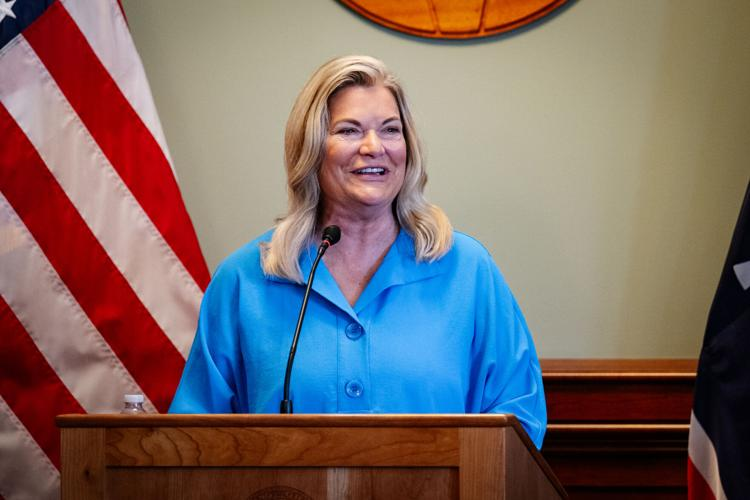
Senator Cynthia Lummis (R‑Wyo.), a key champion of the bill, emphasized its complexity, describing it as “the hardest piece of legislation” she has worked on, attempting to fit new asset types into an existing regulatory code.
Despite its advancement, the bill faced strong opposition, primarily led by Ranking Member Elizabeth Warren (D‑Mass.).
Warren vehemently argued that the bill was “industry‑written” and “not ready,” warning it would “blow a hole” in long-standing securities laws, preempt state anti‑fraud protections, and expose banks to volatile crypto assets in ways reminiscent of pre‑2008 practices.
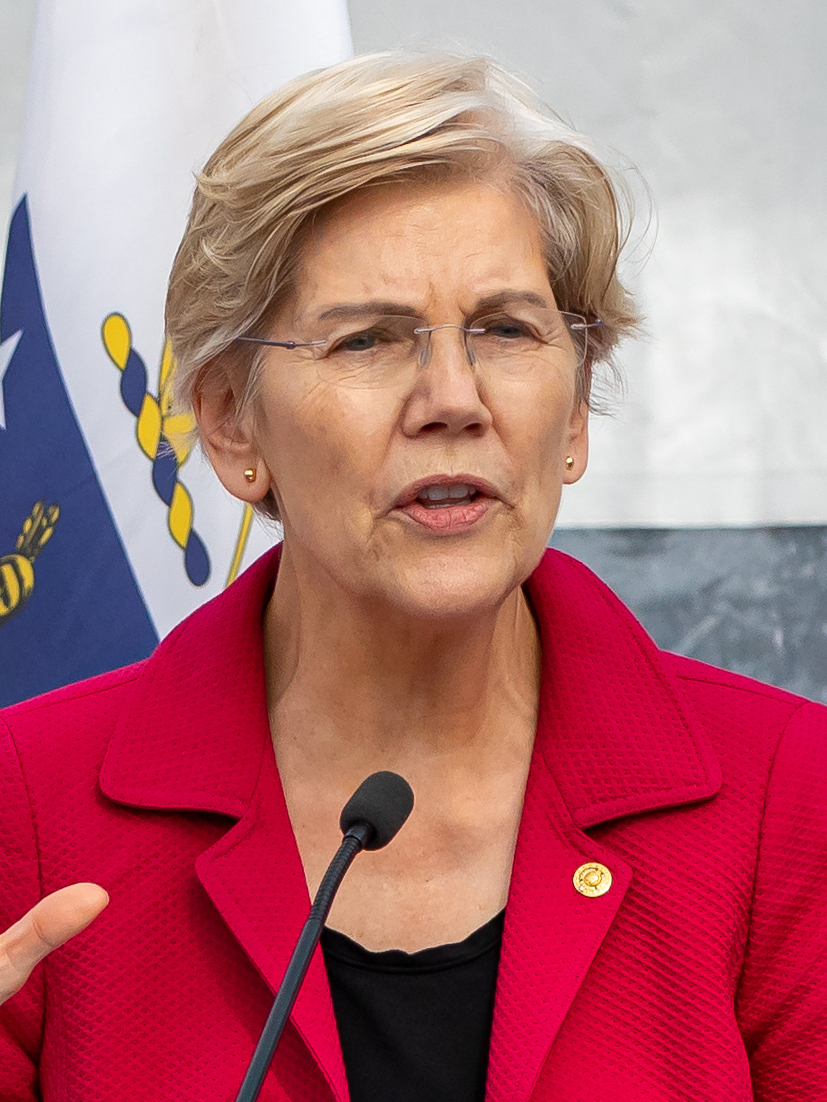
She also linked the legislation to what she termed “the President of the United States’ crypto grift” and criticized Republicans for neglecting pressing consumer issues like grocery and health costs in favor of crypto regulation.
Other Democrats, including Sen. Raphael Warnock (D‑Ga.), echoed ethics concerns, citing President Donald Trump’s digital asset business ties as “pure corruption” and criticizing the refusal to include enforceable conflict‑of‑interest rules.
National security concerns also fueled heated debate, with several Democratic amendments rejected along party lines. Sen. Warren proposed stronger sanction tools against crypto mixers and DeFi services, referencing Treasury’s designation of Tornado Cash.
Sen. Jack Reed (D‑R.I.) highlighted the use of stablecoins by Iranian actors for illicit activities and sought explicit power for regulators to block foreign illicit stablecoin flows.
Sen. Chris Van Hollen (D‑Md.) pointed to significant illicit digital asset flows and large North Korean exchange hacks, proposing to make it unlawful to release DeFi protocols intended for money laundering or terror finance.
Republicans, including Lummis and Sen. Bernie Moreno (R-Ohio), countered that the bill's Titles II and III already integrate digital asset intermediaries into the Bank Secrecy Act, expand Treasury’s “special measures” authority, and provide clearer federal oversight for kiosks, brokers, and exchanges than the House version.
A significant moment of bipartisan split occurred with the adoption of Lummis Amendment 122, a technical package negotiated with Sen. Mark Warner (D‑Va.) that refines DeFi protocol safe harbors.
This amendment passed 18–6, with Warner, Cortez Masto, and Alsobrooks joining Republicans, indicating a “crypto Democrat” bloc willing to refine the DeFi framework.
However, Warren, Reed, and Van Hollen opposed it, arguing it created a “narrow test” and a “loophole” shielding decentralized services from anti-money laundering rules.
The markup session also involved procedural disputes, with Chairman Scott initially ruling more than a dozen Democratic amendments out of order.
While some, like Lummis 122, were later reinstated to foster bipartisan support, this decision drew criticism from Warren and Van Hollen, who noted that other properly drafted amendments, including those from law enforcement and community bank-supported proposals, remained sidelined.
Nonetheless, Republicans accepted targeted changes, such as Sen. Mike Rounds’ AI sandbox and Sen. Dave McCormick’s portfolio-margin language, which garnered Democratic support.

The final 15–9 vote for the Clarity Act underscored a clear division among Democrats. While Warren, Warnock, Van Hollen, Smith, and Reed built a record against the bill, portraying it as industry-driven and detrimental to enforcement and ethics, Senators Gallego and Alsobrooks provided the critical Democratic votes, transforming the bill into a bipartisan committee win.
Their support, however, is contingent on further movement on ethics and enforcement as the bill heads toward merging with the Senate Agriculture Committee’s version before a 60-vote test on the full Senate floor.