Pope Leo XIV’s Lung Nodule Diagnosis Highlights What Patients Should Know
Pope Leo XIV is set to undergo surgery for a lung nodule, a medical development announced during his Sunday blessing. Physicians clarify that lung nodules are common and often benign, but emphasize the critical importance of early detection for potential curability, especially in cases of lung cancer.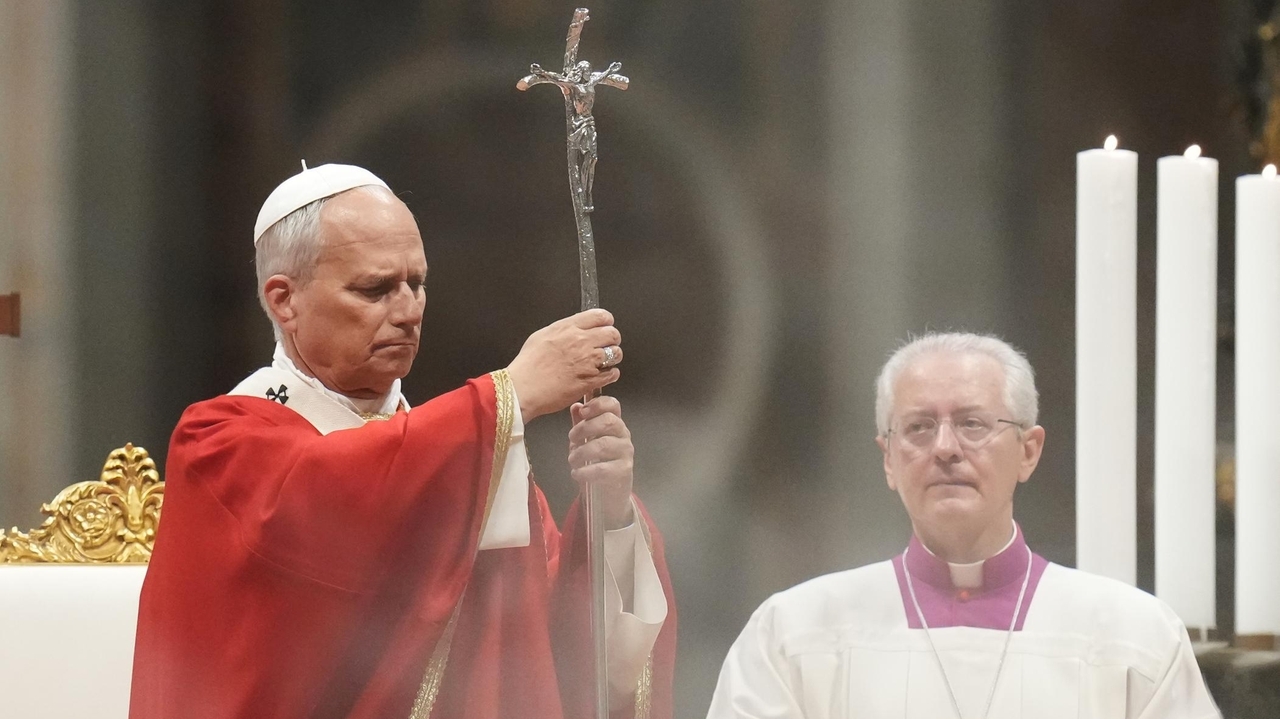
Pope Leo XIV, 71, has announced plans to undergo surgery to remove a lung nodule discovered during recent medical examinations, marking his first major publicly disclosed health concern since becoming pontiff in 2025. Speaking after the Angelus prayer in St. Peter’s Square on Sunday, October 11, he said the nodule had been detected at a very early stage and was well-localised, adding that he had accepted his doctors’ recommendation for surgery in the coming days.
A lung nodule is a small area of abnormal tissue measuring up to three centimetres that can be detected through imaging tests such as chest X-rays or CT scans. Most lung nodules are noncancerous, although some require further investigation to determine their cause.
Lung nodules can develop for several reasons, including previous infections, scar tissue, and inflammatory conditions, while some may be associated with cancer. Their appearance, size, growth, and a patient’s medical history help doctors assess the level of concern and determine whether further tests or treatment are necessary.
Dr. David Zeltsman, chief of thoracic surgery at Long Island Jewish Medical Center, has compared a nodule to a small bead in the lung, noting that such findings are common but can require additional evaluation. Dr. Abbas E. Abbas, system chair of thoracic surgery at Catholic Health, has explained that doctors may recommend monitoring a nodule over time, performing a biopsy or removing it surgically, depending on the findings.
When surgery is recommended, doctors may use minimally invasive techniques, including video-assisted thoracic surgery or robotic-assisted procedures, to remove the nodule and examine tissue for signs of cancer. If cancer is identified, surgeons may need to extend the operation, while a benign result may mean no further removal is required; the appropriate approach depends on the individual case.
Early detection can improve treatment options and outcomes when a nodule proves to be cancerous, but the Vatican has not disclosed whether the Pope’s nodule is benign or malignant. Medical professionals advise patients to follow recommended scans and appointments rather than assume a nodule is harmless or conclude that it is cancerous, as timely assessment is essential to deciding the appropriate care.