Ghana's Healthcare System on Brink: Experts Decry Systemic Failures and 'No-Bed Syndrome'

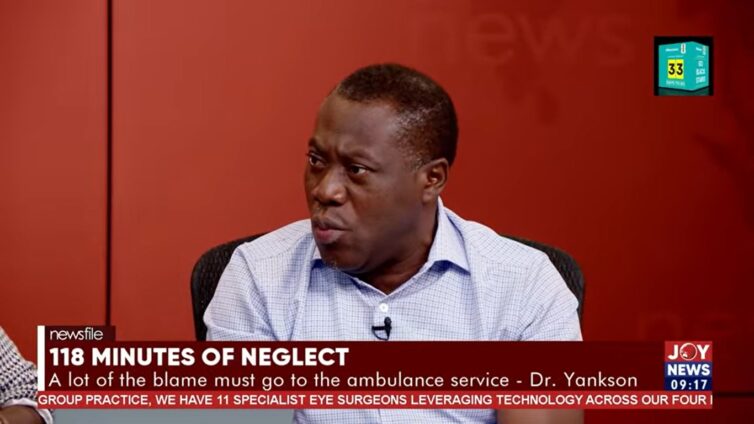
The tragic death of 29-year-old engineer Charles Amissah on February 6, 2026, has cast a stark light on the profound systemic failures plaguing Ghana’s healthcare system, sparking urgent calls for comprehensive reforms. Mr. Amissah, who sustained injuries in a motorcycle accident near the Kwame Nkrumah Circle Interchange, was repeatedly denied emergency intervention at three major hospitals in Accra – the Police Hospital, Greater Accra Regional Hospital, and Korle Bu Teaching Hospital – due to claims of unavailable beds. He was pronounced dead approximately 118 minutes after the accident, while still in the ambulance.
An expert report led by Prof. Agyekum Badu Akosa investigated the circumstances of Mr. Amissah’s death, concluding that he died from excessive blood loss caused by "medical neglect" and the denial of emergency care, deeming his loss avoidable. The committee found that all three hospitals failed to properly triage and stabilise the patient, despite his arriving alive at each facility. The report recommended disciplinary action against six healthcare professionals—three doctors and three triage nurses—whose actions were found to have contributed directly to the fatal delays. Furthermore, it proposed sweeping reforms, including mandatory emergency treatment regardless of bed availability, improved ambulance protocols, and stronger enforcement of patient care standards.
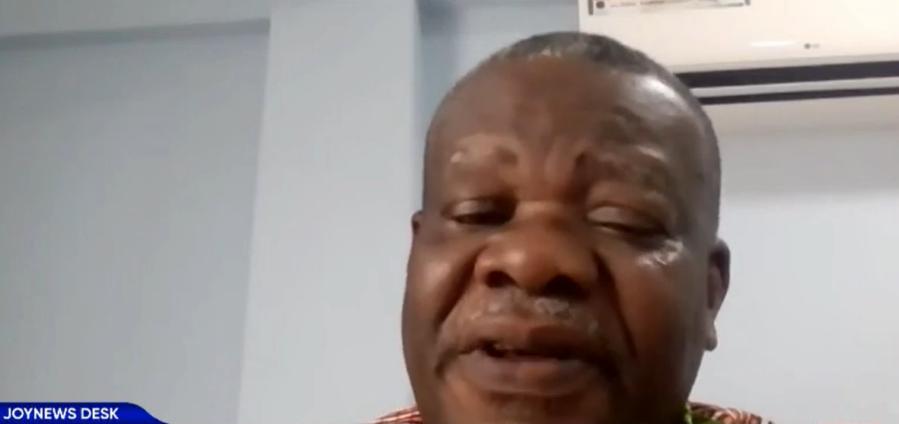
However, the committee's conclusions have been met with criticism from Dr. Arthur Kobina Kennedy, a US-based Ghanaian medical doctor and former New Patriotic Party presidential aspirant. In a statement issued on 8 May 2026, Dr. Kennedy commended the committee’s "thorough work" but argued that its conclusions did not adequately address the deeper structural failures undermining emergency healthcare delivery in Ghana. He described the report's focus as too narrow, contending that Mr. Amissah's death was a symptom of longstanding systemic issues rather than the negligence of a few frontline workers.
Dr. Kennedy expressed astonishment at the notion that the report’s findings were new, highlighting that Ghana’s "no-bed syndrome" has persisted for decades, even predating Prof. Akosa's tenure as Director of the Ghana Health Service. He dismissed the idea that "three bad doctors and three bad triage nurses" coincidentally happened to be on duty at three of the country's best hospitals on that fateful day, asserting that these professionals were merely operating within a broken system that has normalized delayed emergency care, weak triage protocols, and a lack of institutional compassion. He further accused generations of political leaders of creating and maintaining policies that perpetuate both the "no-bed syndrome" and the "cash-and-carry" culture within healthcare, arguing that higher-level administrators and successive governments should be held accountable.
The critique underscores broader concerns about the abandonment of previously effective healthcare infrastructure. Ghana once possessed a Bed Management Network with nearly 80% national coverage and years of patient data, which was regrettably discontinued due to recurring practices of shelving inherited projects for political and contractual interests. This regression has left ordinary Ghanaians vulnerable to weakened systems and fragmented emergency care. Similarly, the National Ambulance Service, which once comprised over 300 ambulances and a trained workforce, appears increasingly overstretched and under-supported. Critical questions remain regarding why Emergency Medical Technicians (EMTs) are no longer receiving Advanced Trauma Life Support (ATLS) training and why frontline personnel are blamed when leadership fails to provide necessary tools. The Akosa report itself noted that administering intravenous fluids during transportation could have improved Mr. Amissah's chances of survival.
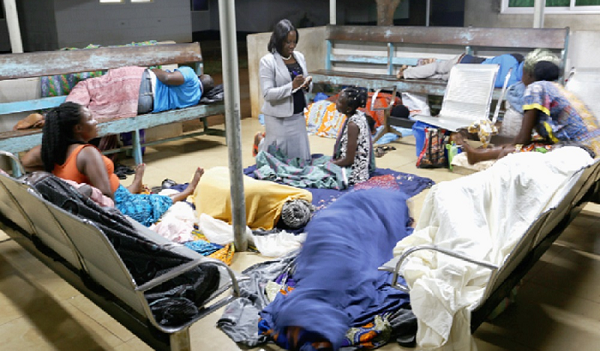
It is widely agreed that placing the entire burden of systemic failure on doctors and frontline health workers, who operate under extremely difficult conditions, is unfair. Across the country, medical professionals are forced to treat patients in overcrowded corridors, improvise due to inadequate resources, and contend with dangerous patient-to-doctor ratios in major facilities like Korle Bu Teaching Hospital, Ridge Hospital, and the Police Hospital. Compounding this, thousands of trained nurses and newly qualified doctors remain unemployed, despite the critical staffing shortages.
Ghanaians, therefore, demand urgent and meaningful action beyond politically motivated projects or contract announcements. The government must immediately employ the thousands of trained doctors and nurses currently without postings. Crucially, it must reinstate and modernize the national healthcare database and Bed Management System, strengthen the ambulance network and emergency response infrastructure (including removing fuel charges for ambulances and ensuring trained personnel), and complete abandoned or near-complete health facilities across the country. Dr. Kennedy further called for these changes to be codified in a comprehensive national health reform law, compelling hospitals to be adequately equipped for common emergencies such as strokes, heart attacks, and trauma injuries.
The lessons from Charles Amissah's preventable death serve as a painful reminder that Ghana deserves a healthcare system that unequivocally places human life above politics, bureaucratic inefficiencies, and institutional complacency. The collective hope is that these reforms will lead to a system where leaders, too, will abandon the practice of seeking medical care abroad.
You may also like...
From Gaming to Fintech: The Deliberate Arc of What Damilare Alabi Built

Damilare Alabi co-founded Nigeria's first online sports gaming platform, built it into a household name, exited in a mul...
Eco-Living: Fighting Climate Change Through Zero-Waste Homes

Zero-waste living is becoming a practical response to climate change as households adopt simple habits in cooking, clean...
Deadly Windstorm in Borno State Leaves Destruction and Homelessness

A sudden windstorm in Borno State has left behind death, destruction, and thousands of displaced families—raising urgent...
Numb to It: How Nigeria's Endless Bad News Is Eroding the Will to Feel
Five Nigerians reveal how constant insecurity, economic hardship, and repeated tragedy are emotionally numbing Nigerians...
Five Things You Had No Idea Were Invented By Nigerians

Philip Emeagwali won computing's highest prize after teaching himself maths during a war. Silas Adekunle sold robots to ...
Arsenal VAR Controversy Explodes: Schmeichel Slams 'Wrong' Call in West Ham Clash

A highly contentious VAR decision in the West Ham vs. Arsenal match, which saw a late West Ham equalizer disallowed for ...
Controversial 2026 Romance Movie Defies Backlash to Conquer Global Streaming

Margot Robbie's producing role in Emerald Fennell's 'Wuthering Heights' adaptation has sparked critical debate despite i...
UK Health Alert: Experts Uncover Alarming Triggers Behind Surging MS Cases

Multiple Sclerosis (MS) cases are rising in the UK, with experts exploring environmental and lifestyle factors beyond im...