Ghana's Emergency Healthcare in Crisis: The Tragic Death of Charles Amissah Ignites Outcry
The tragic death of 29-year-old Charles Amissah due to delayed emergency care and medical neglect has sparked national outrage and calls for urgent reforms in Ghana's healthcare system. An investigative report highlighted critical failures by the ambulance service and multiple hospitals, with experts demanding both systemic changes and accountability for those involved, including the initial hit-and-run driver.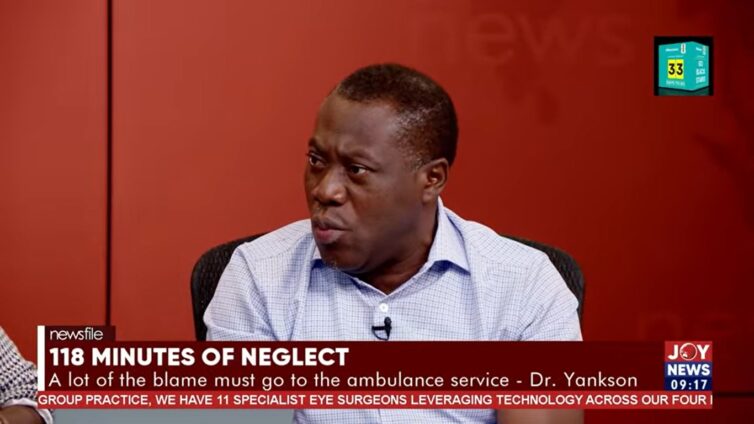
The tragic death of 29-year-old engineer Charles Amissah, who succumbed to delayed emergency care and medical neglect rather than his initial accident injuries, has ignited national outrage and sparked an intensive debate over Ghana’s healthcare and emergency response systems. An official investigative report concluded that Amissah, despite surviving a hit-and-run accident on February 6 of this year near the Kwame Nkrumah Circle Overpass, did not receive timely medical intervention through multiple transfers between major health facilities, including the Police Hospital, Greater Accra Regional Hospital, and Korle Bu Teaching Hospital.
Pathology findings subsequently confirmed that Amissah died from excessive blood loss, a preventable outcome stemming from a survivable injury. The report described his death as a “slow death from medical neglect,” underscoring critical failures within the system tasked with saving lives.
Dr. Justice Yamson, a legal practitioner and former General Secretary of the Ghana Medical Association (GMA), placed significant blame on the ambulance service. Speaking on JoyNews’ Newsfile on May 9, he argued that the service demonstrated a critical lapse in its duty of care. Dr. Yamson stressed that the Ghana National Ambulance Service is mandated to provide essential pre-hospital medical intervention, such as stopping bleeding through bandaging and compression, alongside patient transport. He highlighted that such crucial interventions did not occur for Mr. Amissah, nor was proper documentation maintained, protocols followed, or a clear chain of command observed within the ambulance service.
Beyond healthcare facility shortcomings, Dr. Yamson also called for urgent action to identify and apprehend the hit-and-run driver who initiated the chain of events leading to Amissah’s death. He expressed surprise that, amidst the focus on medical negligence, the initial cause of the incident had not received equivalent scrutiny, urging law enforcement agencies, particularly the Motor Traffic and Transport Department (MTTD), to intensify investigations.
Various stakeholders have echoed calls for accountability and systemic reform. Dr. Anthony Nsiah-Asare, former Director-General of the Ghana Health Service, emphasized that Amissah’s death reflected a broader systemic failure, asserting, “the system killed him.” He refuted the notion of a simple “no-bed syndrome,” attributing patient delays in emergency wards to systemic bottlenecks like administrative hold-ups and unpaid fees.
Vicky Bright, an international corporate lawyer and entrepreneur, urged the public to move past outrage and focus on the full implementation of the government-appointed inter-ministerial committee’s recommendations. She warned against reducing the tragedy to “usual noise,” stressing that the findings demand concrete reforms and that the systemic shortcomings highlighted could affect any Ghanaian in need of emergency care. Madam Bright firmly stated that “someone must be held responsible” to restore public confidence and prevent recurrence.
Abass Nurudeen, Chief Executive Officer of the Ghana Social Investment Fund, described the circumstances as heartbreaking and deeply depressing, particularly given Amissah’s immediate family includes doctors dedicated to saving lives. He stressed that Amissah’s death should serve as a crucial turning point for emergency medical care in Ghana, exposing serious gaps that require decisive action and stronger coordination among health facilities.
Amidst these calls for accountability, Prof. Paul Ossei Sampene, a medical doctor and GMA member, defended the inclusion of names in the investigative report, clarifying that it was not intended as scapegoating. He asserted that accountability processes in healthcare investigations should focus on strengthening systems and improving emergency response, acknowledging that the findings point to broader institutional challenges rather than isolated individual failings.
The comprehensive report and subsequent discussions, including those featured on Joy Prime’s “Prime Insight,” have reignited national debate over emergency healthcare delivery, persistent “no-bed syndrome” concerns, coordination failures, preparedness, and professional responsibility within Ghana’s health system. There is a unified call for urgent reforms to prevent similar tragedies in the future.