Ghana's Bold Transit Goods Ban: Safeguarding Manufacturers & Billions in Revenue
The Food and Beverages Association of Ghana (FABAG) has strongly endorsed the government's new directive banning selected transit goods from entering Ghana via land borders, requiring them instead to use seaports. This measure, affecting items like rice and sugar, aims to combat smuggling, revenue losses, and misclassification, thereby safeguarding local industries and enhancing trade regulation. FABAG also calls for strict enforcement and an expansion of the restricted goods list to prevent circumvention.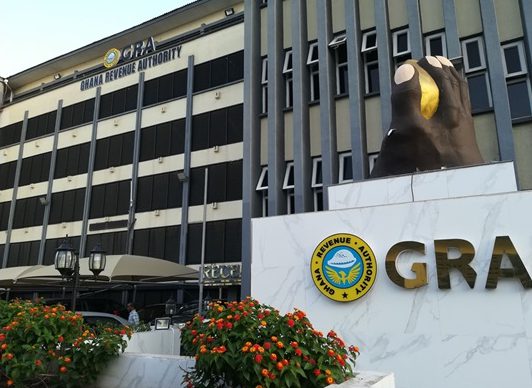
The Food and Beverages Association of Ghana (FABAG) has expressed its strong support for the government's directive to ban the movement of selected transit goods into Ghana via land borders.
The association specifically commended Finance Minister Dr. Cassiel Ato Forson for what it described as a bold and timely policy intervention.
The directive mandates that certain transit goods — specifically rice, sugar, flour, textiles, spaghetti, and tomato paste — must now enter Ghana exclusively through the nation's seaports.
FABAG emphasized that this policy is a critical response to persistent smuggling, substantial revenue losses, and the misclassification of goods that have historically plagued Ghana's trade environment.
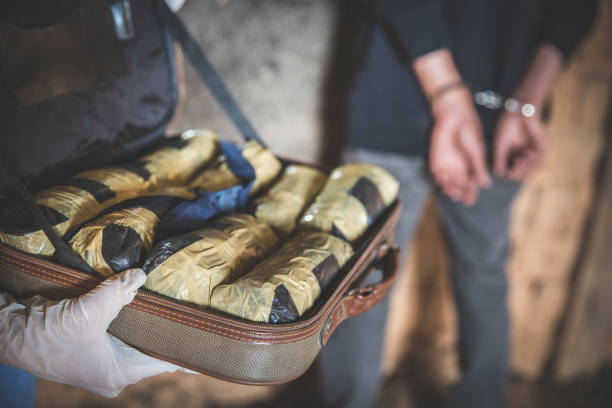
For many years, unscrupulous traders have exploited Ghana's transit trade regime by declaring goods as transit cargo destined for neighboring countries, only to illegally divert them into the Ghanaian market without paying appropriate duties.
This illicit practice has deprived the state of vital revenue while creating an uneven playing field for legitimate businesses.
FABAG believes that requiring these goods to enter through seaports will substantially enhance monitoring, inspection, and documentation processes.
This improved oversight is expected to significantly reduce the risk of diversion and smuggling, thereby strengthening trade regulation and safeguarding government revenue.
To ensure the efficacy of this directive, FABAG has called for strict enforcement by the Ghana Revenue Authority, the Ghana Customs Division, and other border regulatory agencies.
The association urged all relevant institutions to uphold the policy rigorously and without compromise.

FABAG also advised the government to consider expanding the directive's scope to include additional goods such as fruit juices and similar products.
This expansion is crucial, as the association warned that traders may attempt to circumvent the new controls by deliberately misclassifying restricted products under other categories.
Expanding the list of covered goods would effectively close potential loopholes and ensure the policy's intended objectives are fully realized.
FABAG concluded that this directive represents a crucial step toward restoring discipline, transparency, and accountability within Ghana's trade and customs systems.