Four Nations, One Orbit: East Africa's Most Ambitious Digital Infrastructure Project
Kenya, Uganda, Rwanda, and South Sudan are co-developing a regional satellite under the NCRCBSI initiative. Here's what the project entails, why it matters, and whether it can deliver.

East Africa is going to space, not as a metaphor or as a policy aspiration buried in a communiqué nobody reads, but as an actual, signed resolution with four countries at the table and a feasibility study already in motion.
Kenya, Uganda, Rwanda, and South Sudan are co-developing a satellite, the Northern Corridor Regional Communication and Broadcasting Satellite Initiative (NCRCBSI) and the momentum this time feels different.
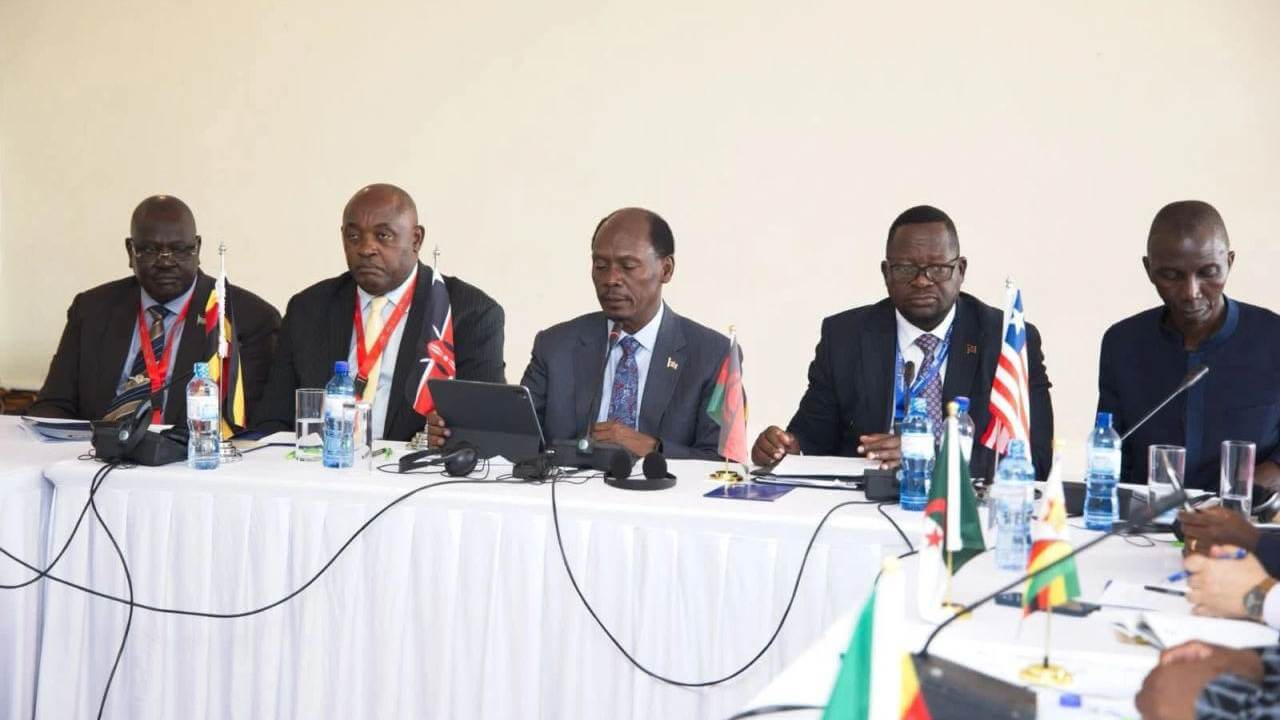
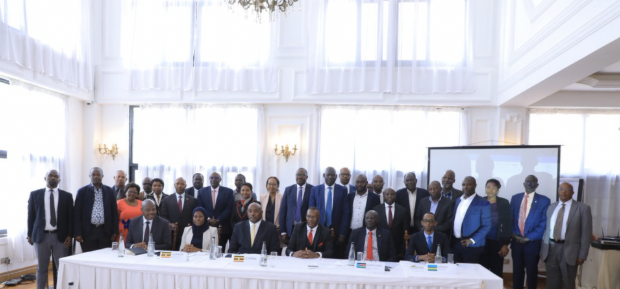
The NCRCBSI Resolutions were signed at the Connected Africa Summit 2026 in Nairobi on 30 April by the ICT ministers of all four partner states. That's not a press release. That's four governments putting signatures on paper.
What's Actually Being Built
The NCRCBSI isn't just a connectivity project with a flashy name. It's designed to provide affordable broadband and secure internet access for government services, with the four nations agreeing on the importance of investing in infrastructure that addresses local needs rather than relying on international connectivity.

The proposed satellite will complement terrestrial infrastructure, extend connectivity to underserved areas, and support broadcasting and digital services across the region. Imagine an era where e-government platforms don't crash because bandwidth is borrowed from a foreign operator halfway across the world. Imagine telehealth services reaching communities in South Sudan's interior. The ambition is wide, and the need for a project as this is genuine.
A feasibility study expected to take 12 to 18 months will define the project's technical, financial, and institutional model and guide the next phase of implementation. A 2027 launch target has been previously floated, though that timeline now looks optimistic given where the process currently stands.
A Coalition That Makes Sense
What makes this project credible isn't the technology. It's the political architecture behind it.
The initiative received formal approval at the NCIP ICT Cluster's Joint Ministerial Meeting in Nairobi in 2023, with a roadmap initially drawn up in Kampala in June 2024 and reviewed in Juba in February 2025. This isn't something conjured up at a summit last week. It's been quietly cooking for three years across multiple capitals.
The resolution was adopted at an inter-ministerial meeting chaired by Uganda and hosted by Kenya, following directives from the 14th Summit, where Heads of State instructed partner states to develop a regional, member-state-owned communication satellite to strengthen sovereignty, expand connectivity, and support digital transformation.
Uganda's ICT Minister Dr. Chris Baryomunsi spoke about the importance at the summit: "We are now at a stage where we must move from preparation to implementation. The decisions we take today will determine how quickly we deliver this project."
The clarity from Uganda's ICT Minister matters. This isn't posturing for the cameras. The Northern Corridor nations have a shared economic corridor with shared infrastructure pain points, landlocked Uganda and Rwanda especially understand what it costs to depend on connectivity routed through systems they don't own.
Is This a Welcome Development?
Unreservedly, yes — with caveats. This initiative mirrors similar trends across the continent, where regional blocs are striving to keep data traffic within their jurisdictions and reduce the substantial costs associated with leasing capacity from foreign satellite operators.
Africa has been subsidising Western and Asian satellite companies for decades. Every dollar spent renting bandwidth is a dollar that doesn't build local infrastructure. A jointly owned satellite changes that equation, at least partially.
According to Techreviewafrica, Kenya's Principal Secretary for ICT John Kipchumba Tanui noted that satellite systems are critical for extending connectivity to remote and underserved areas, supporting landlocked countries, and enhancing overall network reliability across the region. That's not bureaucratic language, that's an acknowledgment that fibre alone can't close the gap.
The caveats are the usual ones: funding, governance, political will when the hard decisions come. Public-private partnership models can stall. Feasibility studies can become permanent.
But the fact that four governments signed the same document on the same day, in the same room, is a better sign than most regional initiatives ever produce. East Africa's satellite ambition has been on paper before. What's different now is that the paper has signatures.