FashionLore: Coral Beads Came From Abroad. How Did They Become So Nigerian?
Coral beads did not originate in Nigerian waters. Here is how the Mediterranean coral travelled through Portuguese trade and became a symbol of Bini, Yoruba, Igbo and Efik identity.
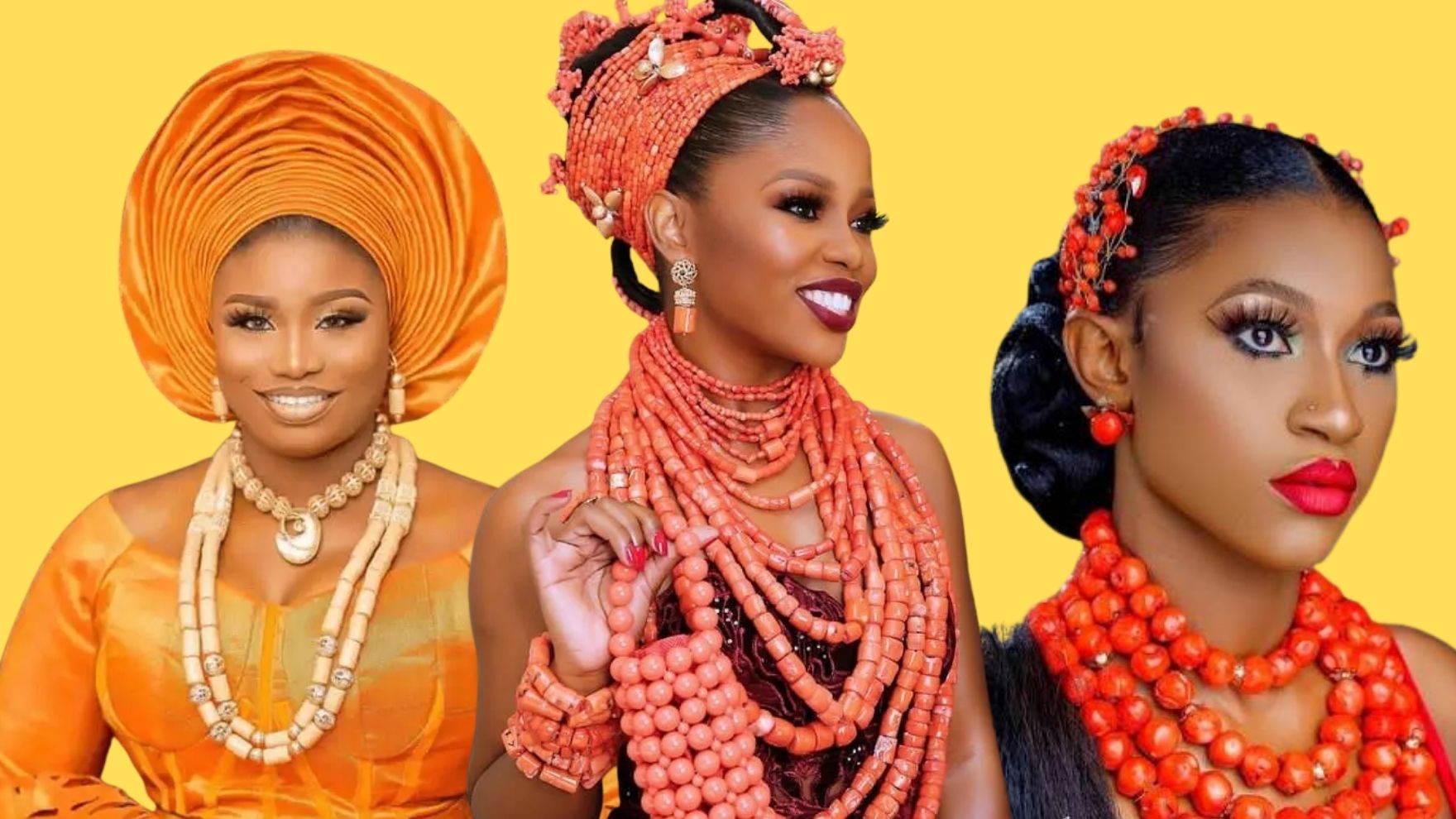
Coral beads sit at the center of nearly every major Bini, Igbo, Yoruba and Efik ceremony, yet the coral itself has never grown in Nigerian waters.
The beads draped over brides, obas, and chiefs travelled thousands of kilometers before they became a face of Nigerian heritage.
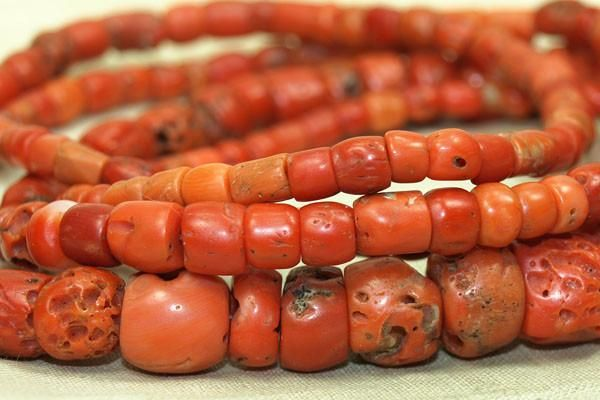
The Ocean Origins of Nigeria's Most "Traditional" Bead
Coral is the fossilized skeleton of tiny marine organisms called polyps. It is harvested from reef systems in the Mediterranean Sea, the Red Sea, and parts of the Pacific.
The deep red-orange coral most associated with Nigerian regalia comes mostly from Mediterranean waters off the coasts of Italy and North Africa. It is a variety long prized across Europe, the Middle East, and Asia before it ever reached West Africa.
Nigeria's coastline does not produce this type of precious coral in commercial quantities. Every strand worn at a Yoruba wedding or Bini coronation is a representation of a trade route that began on another continent.
How Portuguese Trade Routes Brought Coral to Benin
Coral's arrival in southern Nigeria traces back to the late fifteenth century. This was when Portuguese merchants began trading directly with the Benin Kingdom.
Alongside brass manillas, textiles, and firearms, the Portuguese introduced polished Mediterranean coral. This material fit neatly into an existing Edo taste for red stones like agate and jasper, which had already been arriving through trans-Saharan trade networks from North Africa.
The Oba of Benin recognized coral's value quickly and moved to control it. Ownership of coral became a royal monopoly.
Every bead entering the kingdom passed through the palace, and the right to wear it became a mark of political appointment rather than personal wealth. Two grades emerged in Benin's court: ivie, the fine polished red or pink coral reserved for the Oba and senior chiefs, and ekan, a coarser, greyish coral distributed more widely but still tightly regulated.
From Benin, coral moved outward through regional trade and diplomacy into Yoruba, Edo, and eventually Igbo and Efik communities. It carried with it the same association with rank, spirituality, and ancestral authority.
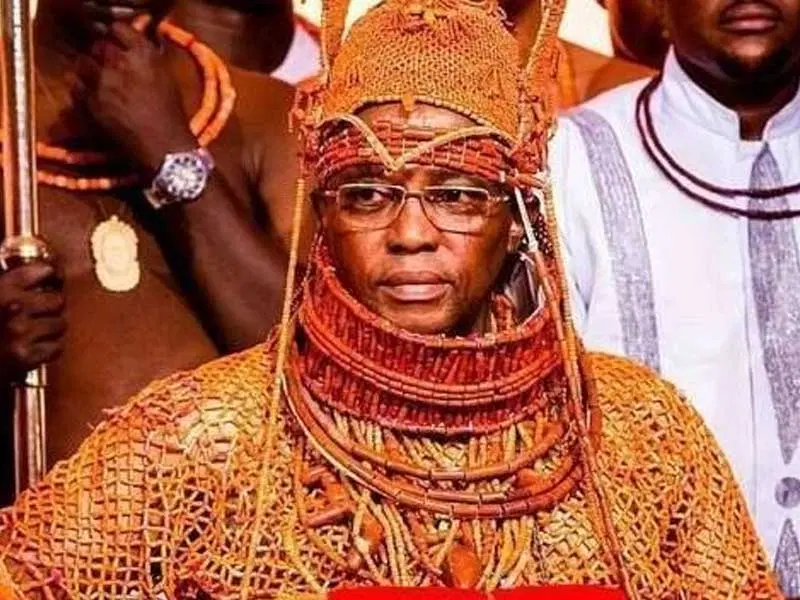
From Royal Regalia to Cultural Symbol
Coral's meaning shifted as it spread. In Benin, coral collars, crowns, and netted garments signaled that a person had been formally recognized by the Oba.
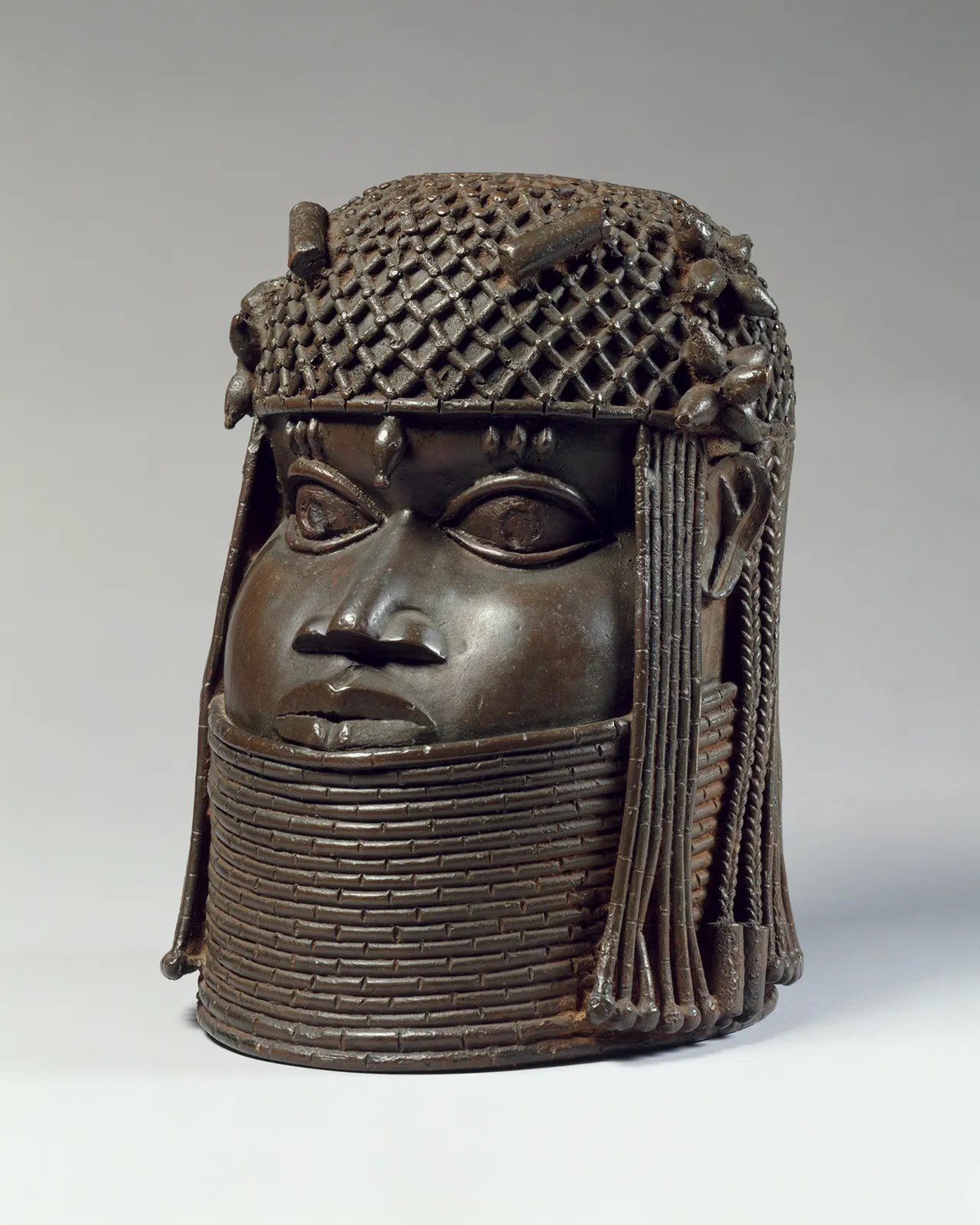
Bronze memorial heads and court plaques from this era show chiefs and monarchs layered in coral.
Among the Yoruba, coral beads, known locally as ileke, have their own symbolism, largely tied to lineage, spiritual protection, and marital status. Red became linked to vitality, power, and even danger.
Igbo and Efik communities in the southeast developed parallel traditions, incorporating coral into bridal price ceremonies, chieftaincy titles, and masquerade regalia.
By the time coral beads had filtered into everyday ceremonial life across the south, few people tracing their family's beads back generations were thinking about the Mediterranean seabed they originated from. The material had been fully absorbed into local systems of meaning.

Real Coral vs the Glass Imitations That Followed
Genuine coral was never cheap or easy to source and this fact shaped Nigeria's coral culture in another way.
Late in the nineteenth and into the early twentieth century, European glassmakers in Bohemia and Venice began producing red glass beads specifically designed to mimic Mediterranean coral.
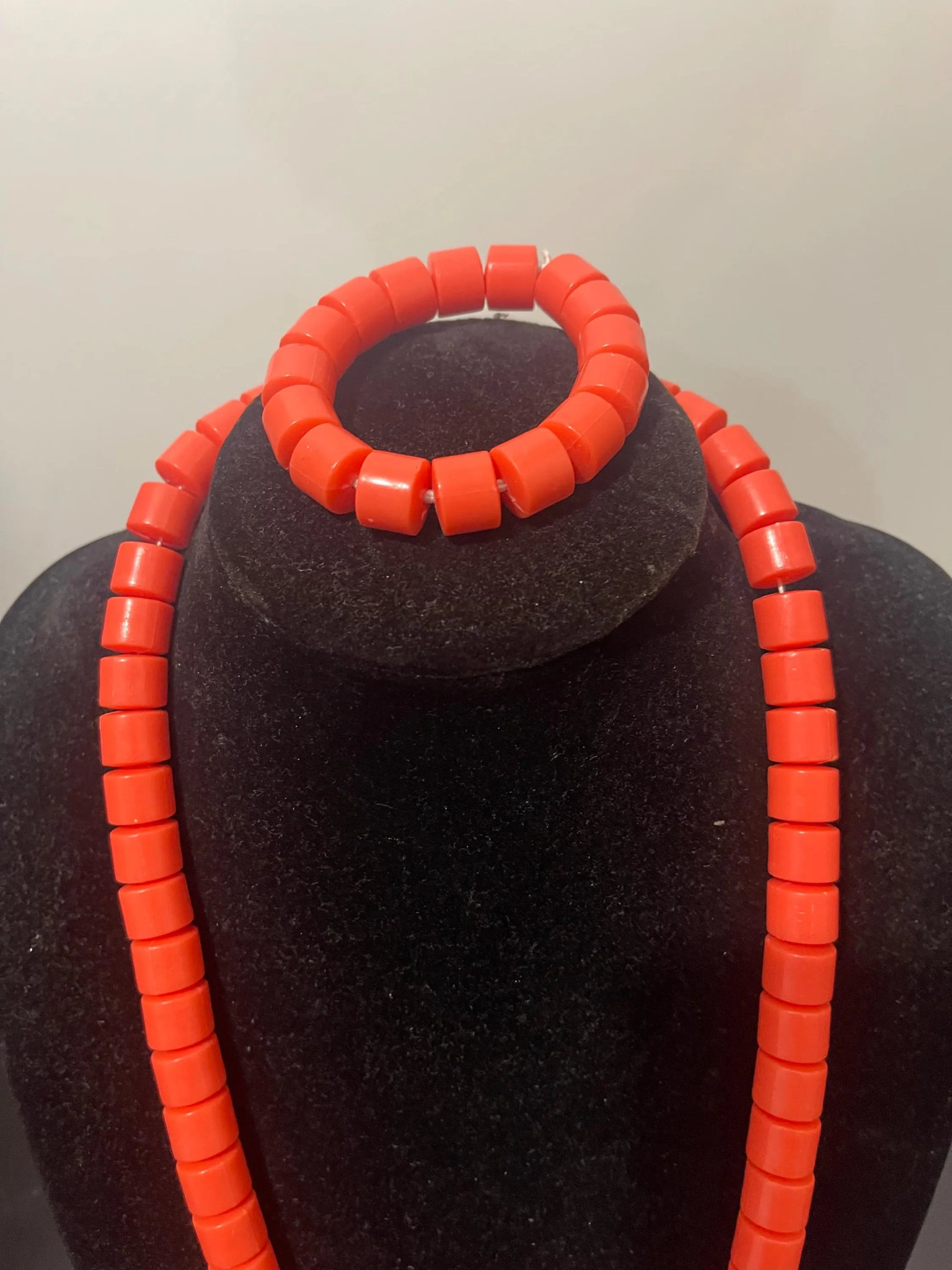
These mock coral beads were more affordable and far more accessible, and they spread rapidly among Yoruba communities who wore them alongside genuine coral for weddings, chieftaincy events, and festivals.
The average Nigerian household today may own strands that look identical to the coral beads but differ enormously in material, age, and value.
Why Nigerians Still Claim Coral Beads as Their Own
The disconnect between coral's foreign material origins and its Nigerian cultural identity is not unusual.
Textiles, spices, and even some staple foods across West Africa followed similar paths, arriving through trade and colonization before being reshaped into symbols of local identity. What makes coral distinct is how completely the transformation succeeded.
Few adornments are more instantly recognizable as Southern Nigerian than a coral bead crown or a bride layered in ileke, despite the fact that not a single bead started its life in Nigerian soil or water.
Coral beads did not become Nigerian because of where the coral came from. They became Nigerian because of what generations of Bini, Yoruba, Igbo, and Efik families chose to build around them.