Zambia Under Fire: EU Demands Probe Into Kafwaya Killing, Threatens Funding Amidst Sovereignty Row
The European Parliament's resolution on 'Post-electoral repression in Zambia and the killing of Mutotwe Kafwaya' has sparked controversy, with critics labeling it as a premature and paternalistic intervention that undermines Zambia's sovereignty. While EU observer Michael McNamara called for transparent investigations into Kafwaya's death and due process for treason charges, many argue the resolution pre-empts domestic fact-finding.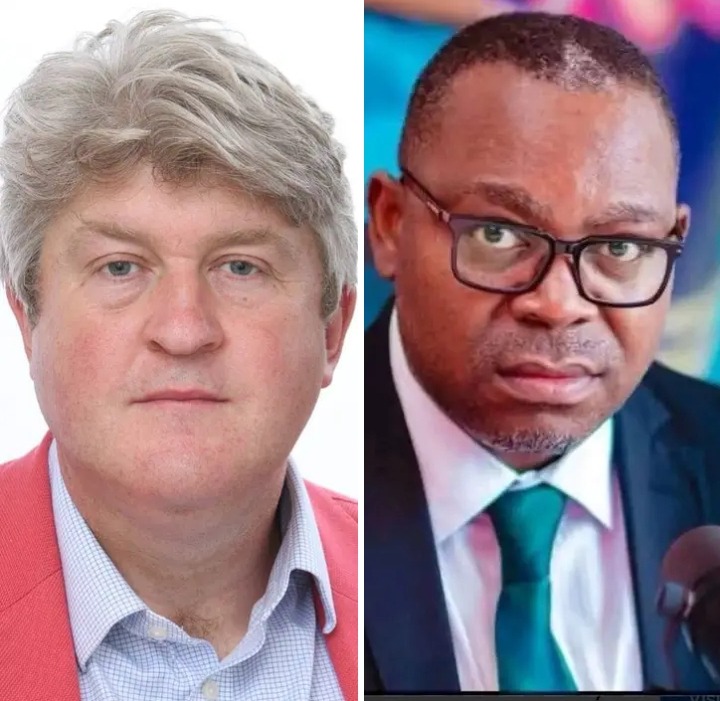
The European Parliament's adoption of the resolution 'Post-electoral repression in Zambia and the killing of Mutotwe Kafwaya' on September 17, 2026, has ignited a fervent debate, with critics decrying it as a premature and one-sided intervention. Passed following a roll-call vote in Strasbourg, the resolution is seen by some as a troubling return to a familiar geopolitical script that disregards Zambia's domestic due process and sovereign institutions, prioritizing political posturing over rigorous fact-finding.
At the core of the controversy is the tragic death of former Cabinet Minister Mutotwe Kafwaya, who was fatally shot on August 14, 2026. The incident occurred during a security operation at a property linked to opposition leader Brian Mundubile. The circumstances surrounding Kafwaya’s death are highly contested, with state authorities asserting that law enforcement officers encountered armed resistance, while opposition figures dispute this account, labeling the event as politically motivated repression. In light of these conflicting claims, the responsible path forward, according to many, is a thorough, forensic, and independent local investigation.
However, by passing judgment before national investigations are complete and elevating the issue to an official parliamentary resolution, the European Parliament, thousands of miles away, has effectively validated one side of the narrative. This premature censure is criticized not only for disrespecting Zambia’s independence but also for threatening to compromise the very accountability the EU claims to champion. Should the final, evidence-driven outcome of the domestic investigation reveal a different reality, the EU Parliament risks being left in an embarrassing rhetorical corner for having debated and codified assumptions rather than verified facts.
During the debate in the European Parliament, Michael McNamara, who served as the head of the EU Election Observation Mission to Zambia's August 13, 2026, general election, expressed profound shock regarding the post-election period. McNamara highlighted his appreciation for Zambia's proud tradition of democracy, entrenched rule of law, and respected judicial independence, which made the subsequent events deeply surprising to him and many Zambians. He specifically demanded a speedy and transparent investigation into Kafwaya’s death and called for speedy and transparent trials with unimpeded legal access for those facing treason charges, including Brian Mundubile and his 2026 running mate Makebi Zulu.
While transparency and adherence to human rights are universal principles that Zambia respects, the EU's execution of these demands is perceived as inherently one-sided. A truly objective international partner, critics argue, would wait to hear all testimonies, allowing the State’s legal and security apparatus to present their findings alongside the grievances of those detained. Instead, the EU’s recommendations are interpreted as a pre-written verdict that overlooks the State’s fundamental duty to maintain law, order, and national security during volatile post-election periods. This rush to judgment, it is argued, signals a trust in opposition rhetoric over the institutional capacity of a sovereign African nation to investigate its own tragedies.
Zambia, as a sovereign republic, possesses a hard-won and fiercely protected independence. Its judicial system, law enforcement agencies, and domestic oversight bodies must be afforded the respect and space to operate without external dictation. The historical paternalism, where European capitals treat African nations as dynamic experiments requiring immediate Western oversight, is firmly rejected. When international bodies intervene prematurely, they often polarize domestic politics and compromise the neutrality of local judicial processes.
True international solidarity, therefore, should entail supporting domestic institutions as they carry out their mandates, rather than superseding them with resolutions passed in foreign chambers. The European Union is urged to exercise diplomatic patience and grant African sovereign states the dignity of finding the truth for themselves, fostering genuine collaboration rather than paternalistic oversight.