Fashion Items That Were Once Considered Embarrassing
From corsets to second-hand clothing, sneakers to mini skirts, these fashion items were once sources of public shame. Read about how society used embarrassment to control taste, status, and behavior, and why what’s embarrassing today could be trendy tomorrow.

Fashion is rarely just about clothes. It is about who gets to belong, who gets to stand out, and who gets shamed into silence. Across history, certain clothing or accessories have been treated as laughable, indecent, or markers of low status, until society shifts, and suddenly the same items become celebrated.
Shaming fashion is a form of social engineering. It teaches people where they belong, what they should desire, and how to signal their status. It polices taste and enforces hierarchy through gossip, laws, or social pressure.
Here’s a look at items that once carried public embarrassment, and what they tell us about how culture uses fashion to control, shame, and manipulate.
High Heels: From Masculine Power to Feminine Pressure
High heels were not always feminine. In the 16th century, Persian cavalry wore heels to secure their feet in stirrups. European aristocrats, men included, adopted heels as a symbol of status and power.
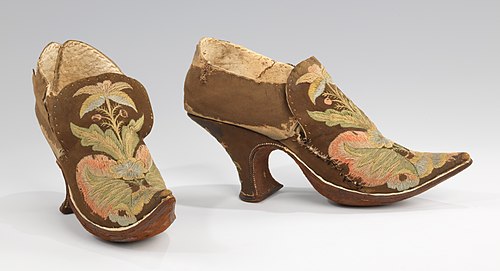
Fast forward to the 18th century, and fashion plates mocked men who still wore heels, branding them as effeminate or absurd.
Women inherited heels as markers of elegance, but suddenly, the same item that once signaled authority became a tool of restriction and discomfort.
Heels taught posture, movement, and wealth display. Shame around heel etiquette, too short, too tall, wrong stance, became invisible social instruction.
The Corset: Embodying Control
Corsets are one of the clearest examples of fashion shame as social engineering. In the 19th century, women’s silhouettes were tightly controlled.
A narrow waist was considered moral, refined, and feminine; a “relaxed” figure was linked to laziness, vulgarity, or moral weakness.
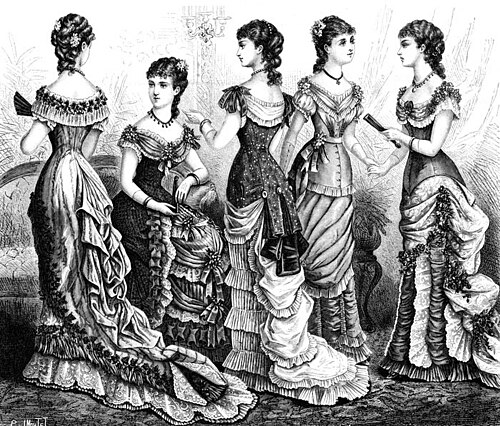
Doctors, etiquette manuals, and magazines reinforced the idea that a woman who refused the corset was failing society. Embarrassment was the tool: sagging, unshaped torsos invited public judgment.
Second-Hand Clothing: Stigma and Survival
Second-hand clothing has long been the target of fashion shame, even though it is a lifeline for millions. In Europe and North America during the early 20th century, buying used garments was considered a mark of poverty, laziness, or poor taste.
Charity shops and second-hand markets were legal, but socially policed spaces. People were mocked for wearing clothing that “didn’t belong to them.” Even items that were functional or stylish carried the stigma of lower class.
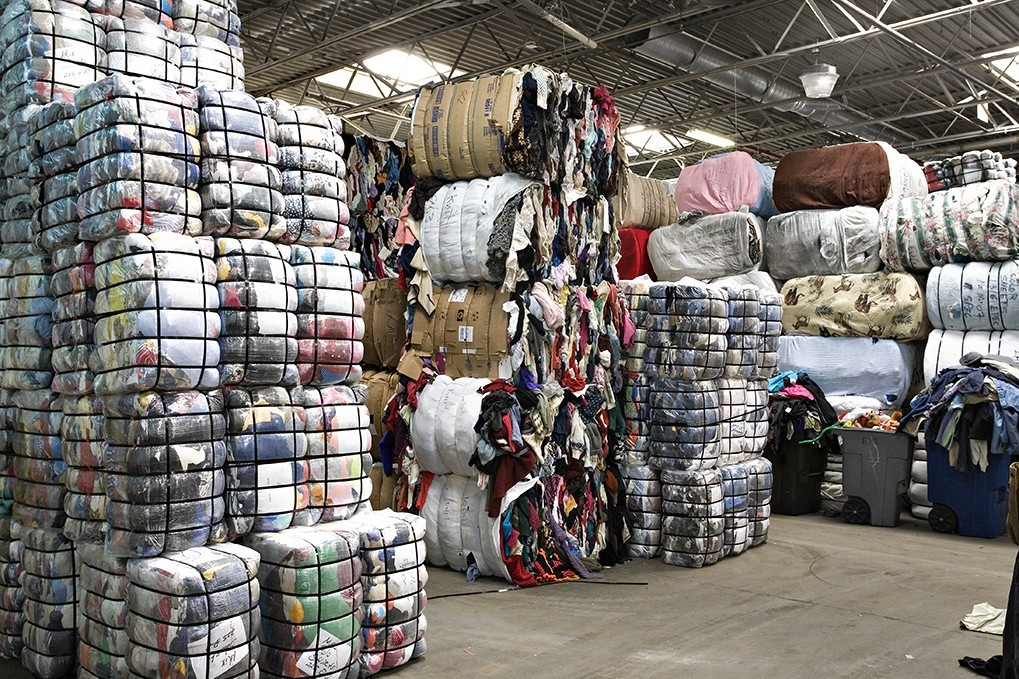
In post-colonial Africa, second-hand imports, known as “obroni wawu” in Ghana or “mitumba” in Kenya, or “Okirika” in Nigeria, were simultaneously essential and disparaged.
Middle-class elites often labeled them cheap, immoral, or culturally inappropriate, even while poorer communities depended on them for survival and self-expression.
Second-hand clothing shows clearly how fashion shame is not about aesthetics, it is about power, status, and who gets to be visible in society. What was once considered embarrassing can later be reclaimed as trendy, sustainable, or culturally savvy.
Jeans: Once Rebel, Now Universal
Denim began as practical workwear. By the 1950s, jeans became a symbol of teenage rebellion, shocking parents and authorities. Schools banned them. Retailers refused to sell them to certain customers.
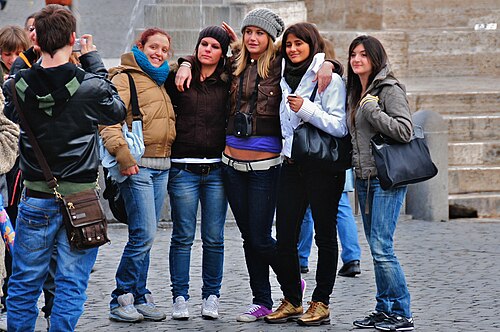
For decades, wearing jeans outside labor contexts carried stigma. Over time, they became a global staple, illustrating that embarrassment is temporary and socially engineered.
Mini Skirts: Outrage on Display
The 1960s mini skirt outraged newspapers, religious leaders, and employers. Women were accused of indecency, flirtation, or carelessness. Mini skirts forced public negotiation of sexual autonomy and social boundaries.
The 1960s mini skirt ignited outrage from newspapers, religious leaders, and employers, accused of promoting indecency and carelessness. Beyond fashion, it challenged social norms and sexual autonomy.
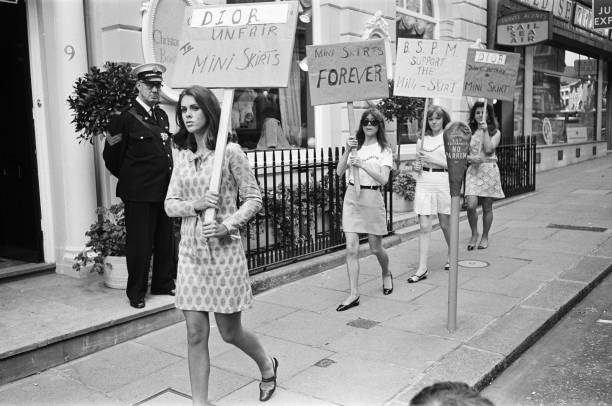

While the Vatican condemned it as “immoral” and some workplaces banned it, the skirt also symbolized liberation, coinciding with the birth control pill, rejecting 1950s restrictions, and asserting women’s control over their bodies, championed by designers like Mary Quant.
The shame was intentional. Fashion enforced social norms, teaching who had the right to occupy public space and how.
Sneakers: From Sport to Subculture Shame
Sneakers, now universal, were once mocked as childish or lazy. Early hip-hop and skate cultures in the 1980s popularized them, despite ridicule from mainstream society.
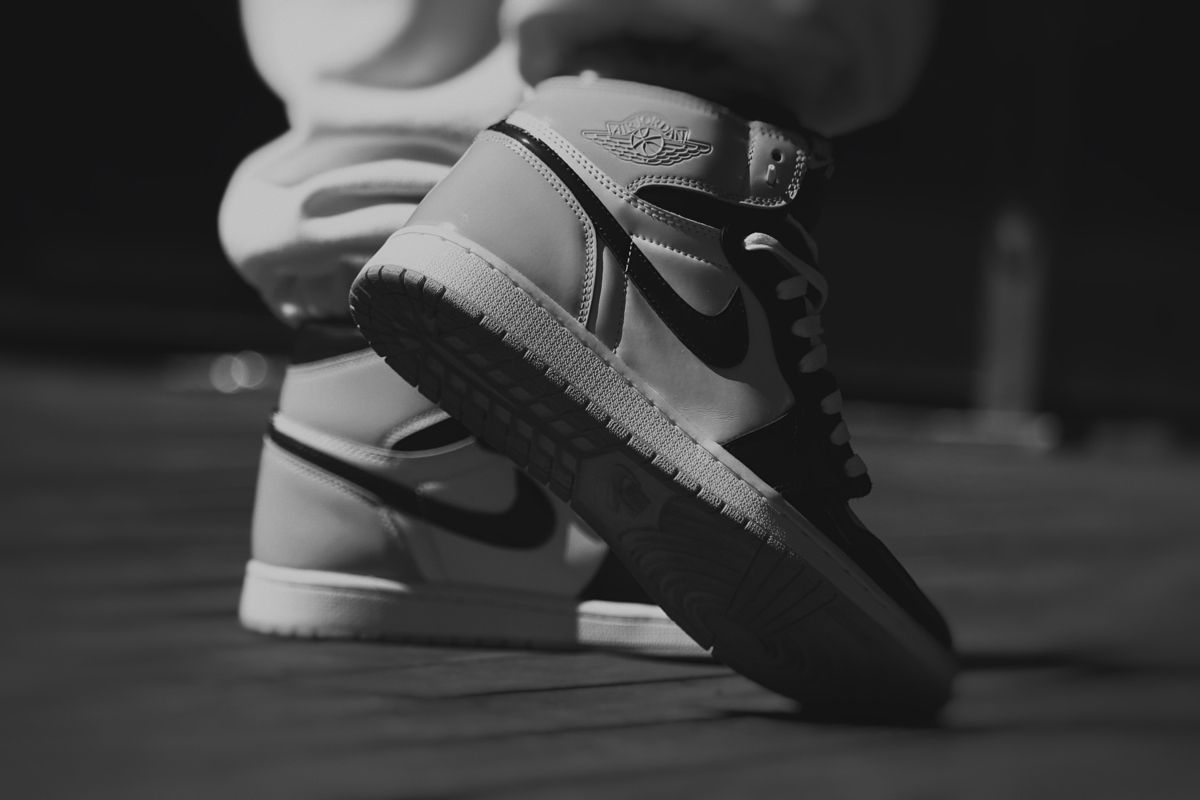
Sneaker shame was tied to class, race, and occupation. Today, they are global status symbols, proving that fashion embarrassment is engineered, not permanent.
The Lesson Behind Fashion Embarrassment
Embarrassment about clothing is rarely aesthetic. It is social engineering. Society decides what is shameful to enforce hierarchies, signal morality, or discipline behavior.
High heels taught gendered posture. Corsets taught obedience. Second-hand clothing taught class boundaries. Jeans taught rebellion. Mini skirts taught sexual norms. Sneakers taught conformity or subculture affiliation.
History shows that what embarrasses today can define style tomorrow. Fashion shame is a tool, and society wields it with precision, but the cycle is never permanent.