Deadly Windstorm in Borno State Leaves Destruction and Homelessness
A sudden windstorm in Borno State has left behind death, destruction, and thousands of displaced families—raising urgent questions about disaster preparedness and the growing threat of extreme weather in Nigeria.
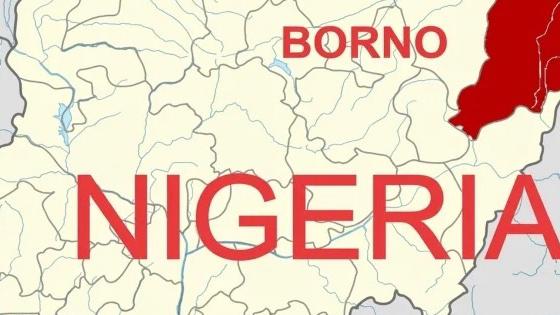
A deadly windstorm recently hit Borno State, causing serious destruction and leaving many families homeless.
The Guardian Nigeria reported that the disaster killed four people and destroyed over 1,200 houses, and the strong winds damaged buildings, removed rooftops, and forced residents to flee for safety.
The disaster has created difficult conditions for affected families, many of whom lost their homes, belongings, and sources of income.
Victims now need urgent help, including shelter, food, clothing, and medical support.
The incident also shows the growing impact of extreme weather in Nigeria. As storms, floods, and other natural disasters continue to affect many communities, especially areas with weak infrastructure and poor housing.
Overall, the windstorm is a tragic reminder of the need for better disaster preparedness, stronger buildings, and quick emergency response to protect vulnerable communities in the future.
Loss of Lives and Widespread Destruction
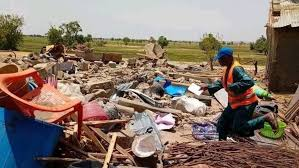
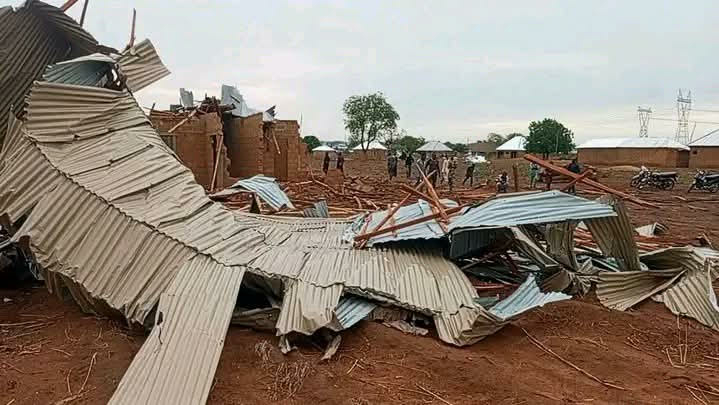
The powerful windstorm that struck Borno State caused severe damage across several communities, leaving a trail of destruction behind.
It claimed the lives of four residents and destroyed more than 1,200 homes, along with shops, schools, and other properties.
The strong winds were powerful enough to rip off rooftops, collapse weak buildings, and scatter debris across entire neighborhoods.
In many areas, electricity poles were also damaged, leading to power outages and further disruption.
Roads became blocked with fallen structures and materials, making movement and rescue efforts more difficult.
Many families had little time to react as the storm hit suddenly, forcing them to abandon their homes in search of safer places.
Some residents took shelter in nearby schools, mosques, or with relatives, while others were left stranded without immediate assistance.
The destruction also meant that many people lost important belongings such as food supplies, clothing, and personal documents.
Beyond the physical damage, the loss of lives and homes has left many communities in shock and mourning.
The event has highlighted how vulnerable some areas are to extreme weather conditions, especially where buildings are not strong enough to withstand severe storms.
Humanitarian Challenges Facing Victims
The windstorm in Borno State has left thousands of residents in very difficult conditions, as many families lost their homes, belongings, and means of livelihood.

With houses destroyed and communities damaged, a large number of people are now displaced and forced to depend on temporary shelter such as schools, community halls, or staying with relatives.
One of the biggest challenges victims face is lack of basic necessities, and many families are struggling to access food, clean water, clothing, and medical care.
Children, the elderly, and pregnant women are especially vulnerable because they require more urgent and consistent support.
Without proper shelter, many are also exposed to harsh weather conditions, increasing the risk of illness.
The disaster has also disrupted daily life and local services. Schools and markets in affected areas may be closed or damaged, preventing children from attending classes and traders from carrying out their businesses.
This further worsens the economic hardship of families who have already lost their homes and sources of income.
In response to the disaster, theGovernor of Borno State, Babagana Zulum, sympathised with the victims and announced immediate relief measures.
These include a cash support of ₦500,000 for each family that lost a loved one in the windstorm.
This intervention is aimed at easing the burden on affected families and supporting them during the difficult recovery period.
With the support of temporary housing, food distribution, medical assistance, and rebuilding programs are urgently required to help victims recover.
However, delays in aid delivery can make recovery even more difficult for affected communities.
Rising Concerns Over Climate and Environmental Disasters
The windstorm in Borno State has increased concerns about the rising frequency of extreme weather events in Nigeria, such as floods and storms.
These disasters are becoming more common and are affecting many communities, especially those with weak buildings and poor infrastructure.
Experts link this trend partly to climate change and say it is making weather conditions more unpredictable and severe.
Many communities are not well prepared, and limited early warning systems make it harder to respond quickly when disasters occur.
Because of this, there is a growing need for better disaster preparedness, stronger buildings, and improved emergency response systems to reduce damage and protect lives in the future.
Overall, the humanitarian situation remains critical, and sustained support will be necessary to help families rebuild their lives and return to normal conditions.
Conclusion
The windstorm in Borno State is a heartbreaking reminder of how quickly natural disasters can change lives, taking homes, properties, and even loved ones in a matter of hours.
Beyond the physical destruction, it has left many families struggling to start over, facing uncertainty and hardship.
As communities begin the slow process of recovery, the disaster highlights a deeper truth, the urgent need for stronger buildings, faster emergency response, and better disaster preparedness systems.
Without these, vulnerable communities will continue to suffer the worst effects of extreme weather.
Ultimately, this tragedy is not just about loss, but also a call to action.
It challenges authorities, organizations, and citizens to work together to build safer, stronger, and more resilient communities that can withstand future disasters.