Dangote Unveils Its Largest Cement Plant Outside Nigeria
Aliko Dangote unveils a $250M cement plant in Ivory Coast; 3M tonnes yearly, thousands of jobs, and a bold push to fuel West Africa’s building boom.
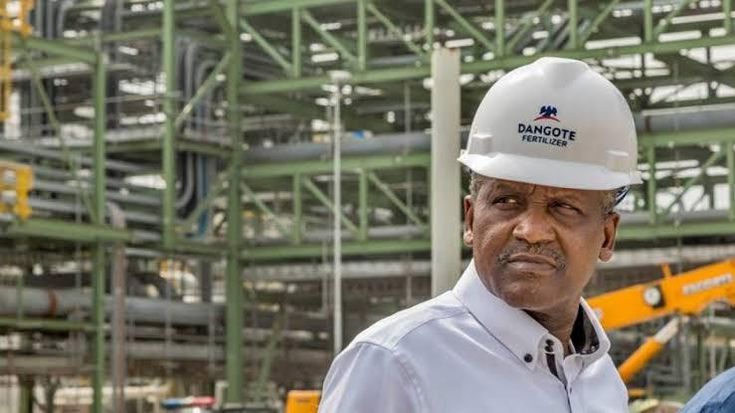
Cement might not be glamorous, but in West Africa, it’s the quiet backbone of skyscrapers, highways, and the homes people dream of building. And this August, Aliko Dangote, Africa’s wealthiest man, added a new chapter to that story with the opening of a $250 million cement plant in Côte d’Ivoire.
Rising from the Attingué industrial zone on the outskirts of Abidjan, the plant is more than a collection of silos and machinery. With an annual capacity of 3 million tonnes, it is now the largest Dangote facility outside Nigeria, a bold marker of ambition in a region hungry for infrastructure.
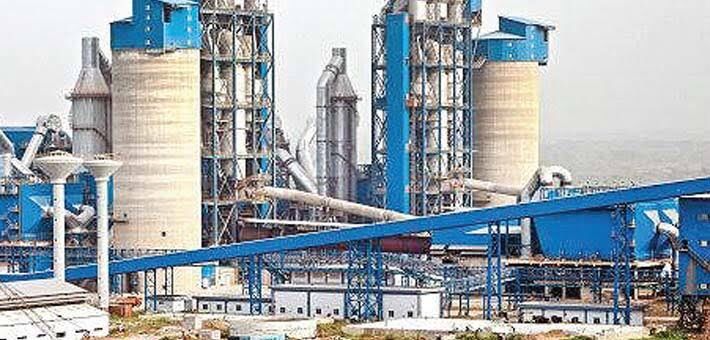
Photo Credit: Pinterest
The impact goes beyond economics. The plant is expected to create 2,000 to 3,000 direct jobs, while rippling out thousands more through transport, distribution, and construction services. For Côte d’Ivoire, where cement demand has steadily risen with urban growth, this is a shot of confidence, a local supply to match big dreams.
Government officials hailed the project as a milestone. It aligns neatly with national plans to build stronger local industries and secure the materials needed for roads, schools, and housing. For ordinary Ivorians, it could also mean fairer cement prices and easier access to the materials that quite literally build futures.
While Aliko Dangote had long planned to build a cement plant in Côte d’Ivoire, with construction initially kicking off back in 2016, Attingué marks his first operational facility in the country.
Earlier reports had noted that Dangote Cement had begun groundwork for a 3 million tonnes per annum grinding plant in Yongbon near Abidjan, a project initially budgeted at $200 million and expected to be completed within 18–18 months .
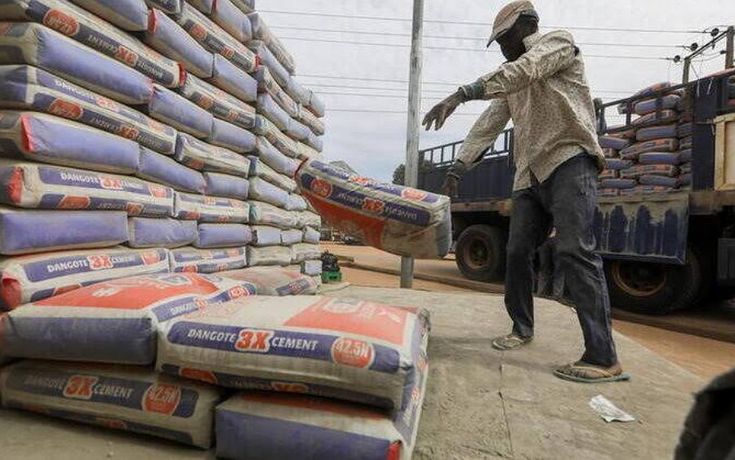
Photo Credit: Google
But until now, that facility had not actually entered production, making the new Attingué plant the first one to become active on Ivorian soil.
Regionally, the Attingué plant positions Côte d’Ivoire as more than just a consumer of cement, it makes the country a hub. With its scale, the facility has the power to supply not just Abidjan’s skyline but also neighbouring markets, reinforcing West Africa’s trade links one bag of cement at a time.
In the end, a cement plant may look like steel and dust, but it carries weight far beyond its walls. It represents jobs, resilience, and the promise that African cities will keep rising. With this $250 million bet on Côte d’Ivoire, Dangote isn’t just making cement—he’s laying foundations for the future.