Cancer Cases Are Soaring Worldwide: Understanding the Surge Without the Panic
Global cancer cases are rising fast, but the surge isn’t cause for panic. Learn what’s driving the increase, why younger adults are at risk, and how prevention and equity can save lives.
The numbers are staggering: 20 million new cancer diagnoses worldwide in 2022, with projections showing that figure could surge to 35 million by 2050 which is a 77% increase.
Headlines scream warnings about a "cancer epidemic," and it is natural to feel a wave of anxiety wash over you when confronted with such statistics. But before alarm turns to panic, it is worth asking: what do these numbers really mean, and what should we actually do about them?
The Reality Behind the Numbers
At first glance, a 77% increase in cancer cases sounds catastrophic. But context transforms the narrative. This projected surge is largely driven by two fundamental demographic shifts: population growth and aging.
Simply put, there will be more people on the planet, and those people will be living longer than ever before. The global population aged 65 and older is expected to reach 1.5 billion by 2050, and since cancer risk increases dramatically with age, more people reaching older age means more cancer cases in absolute terms.
Here is the crucial detail that often gets buried in alarming headlines: when researchers adjust for age differences in populations, global cancer rates are not forecast to increase significantly.
Your individual risk is not necessarily skyrocketing. What is changing is the size and age structure of the human population.
Think of it this way: if a city doubles in size, it will naturally have twice as many cases of any age-related condition, but that does not mean the disease itself has become more dangerous.
The Troubling Exception: Young Adults
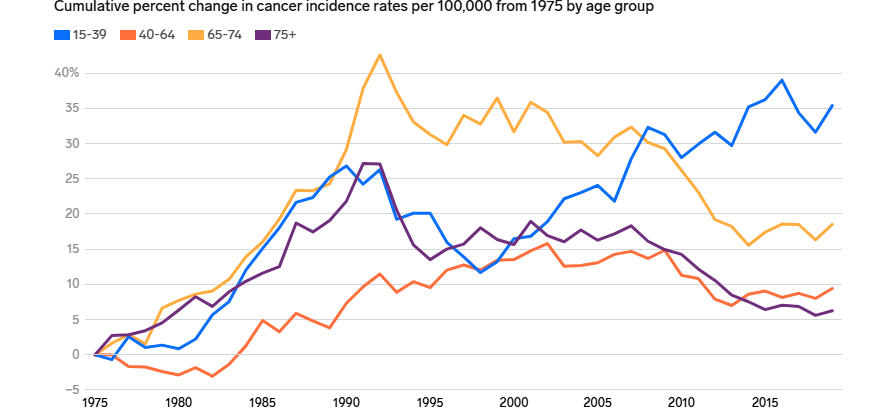
While the overall picture offers some reassurance, there is one demographic trend that genuinely demands attention and concern. People under 50 are experiencing something different — they were the only age group to see sustained increases in cancer incidence from 1995 through 2021.
Early-onset cancer rates in adults under 50 have been climbing since the 1990s, with particularly dramatic examples like UK bowel cancer rates jumping 50% since the mid-1990s. Even more striking, colorectal cancer has now become the leading cause of cancer deaths for adults under 50.
This is not a statistical artifact or a demographic issue. Scientists have identified what they call a "birth cohort effect" where each generation born since 1950 shows higher early-onset cancer risk than the previous one. Something about modern life is fundamentally changing cancer patterns in younger people.
What exactly is driving this troubling trend? Researchers point to several interconnected factors. Obesity, highly processed foods, and increasingly sedentary lifestyles create chronic inflammation throughout the body, which can pave the way for cancer development.
Our gut microbiome which is the complex ecosystem of bacteria in our digestive system, has been disrupted by dietary changes and antibiotic use. There are likely gene-environment interactions at play, where underlying genetic susceptibilities that might have remained dormant are now being activated by environmental exposures our grandparents never encountered.
Emerging research even suggests that microplastics and other environmental contaminants may play a role, though this area requires much more study.
The Preventable Factor
Amid the concerning statistics, there is genuinely good news that often gets overlooked: over 40% of cancer deaths globally are linked to modifiable risk factors. That means nearly half of cancer fatalities are potentially preventable through changes we can control.
The primary culprits are familiar but worth repeating: tobacco use remains the single biggest preventable cause of cancer. Unhealthy diet, high blood sugar, excessive alcohol consumption, and air pollution round out the top risk factors.
This is not about blaming individuals because to be fair, many of these factors are shaped by broader social, economic, and environmental conditions beyond any one person's control. But it does mean there is a significant opportunity for both individual action and population-level policy changes to make a real difference.

When countries implement strong tobacco regulations, cancer rates drop. When communities improve air quality, cancer rates drop. When people have access to fresh, nutritious food instead of ultra-processed options, cancer risk decreases. The fact that so much cancer is preventable should be empowering, not discouraging.
The Global Inequality Crisis
Perhaps the most urgent aspect of the cancer surge is not the total number of cases, but rather where those cases occur and who receives adequate care. The statistics reveal a stark and unconscionable divide.
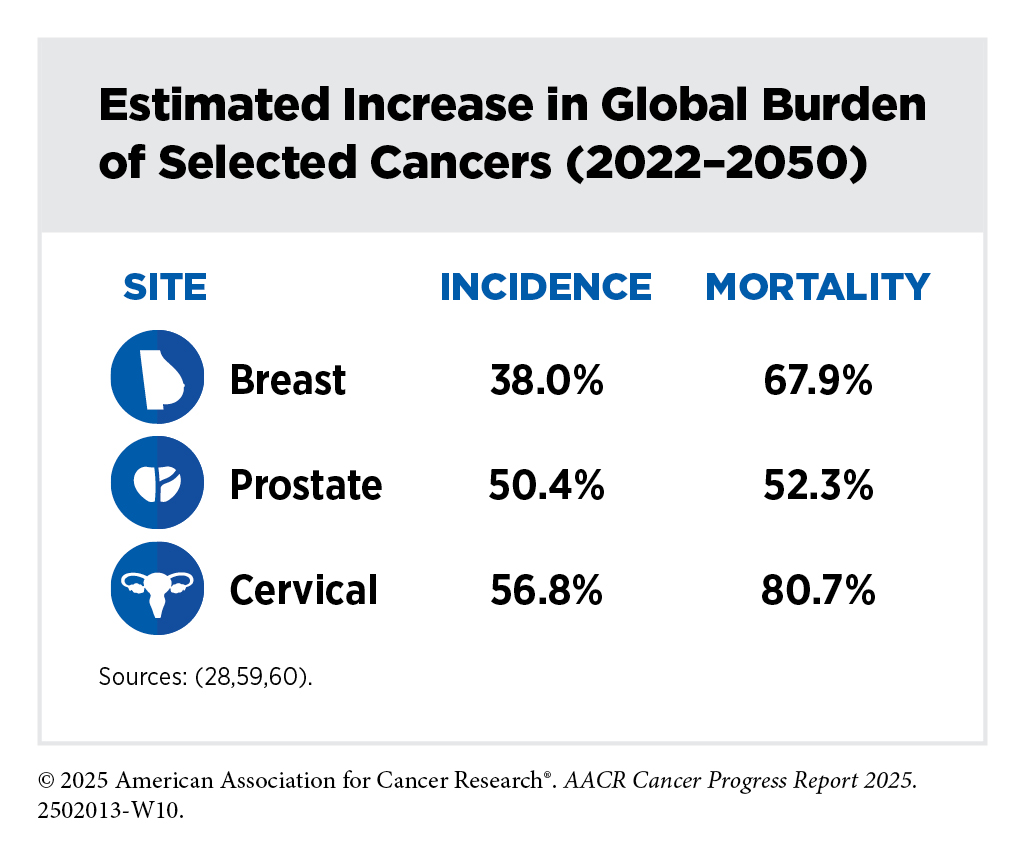
Women in low-income countries are less likely to develop breast cancer than those in wealthier nations (1 in 27 compared to 1 in 12). But the devastating news is that women in poorer countries are far more likely to die from the disease if they do develop it (1 in 48 versus 1 in 71 in high-income countries). This disparity is no longer about biology but about access to screening, early detection, and quality treatment.
The projections for low-income countries are particularly grim. These nations are expected to see a 142% increase in cancer cases by 2050, while mortality is projected to nearly double.
The real crisis, then, is not just cancer itself but rather the profound inequity in who gets to survive it. A diagnosis that is increasingly manageable in wealthy nations remains a death sentence in many parts of the world.
So, Should We Panic?
The answer is a firm no to panic, but an equally firm yes to purposeful action. Panic implies helplessness, a sense that we are powerless against an unstoppable threat. But the data tells a different story. A story where knowledge, prevention, and equitable access to care can dramatically alter outcomes.
If you are reading this, here is what matters: maintain a healthy weight through a balanced diet and regular physical activity. Limit alcohol consumption and avoid tobacco in all forms.
Know your family history of cancer and share it with your healthcare provider. Follow recommended screening guidelines, and if you have risk factors or concerning symptoms, discuss whether earlier or more frequent screening makes sense for you.
Pay particular attention if you are under 50. Do not dismiss persistent symptoms like changes in bowel habits, unexplained weight loss, unusual bleeding, or lumps that warrant medical evaluation, even if you are "too young" for cancer by outdated assumptions.
On a broader level, we can push for universal access to cancer care, support environmental regulations that reduce carcinogenic exposures, and advocate for food policies that make nutritious options accessible to everyone rather than just the privileged few.
The Takeaway
Yes, cancer cases are rising globally but context transforms fear into clarity. We are living longer, which naturally means more cancer diagnoses overall.
The demographic shifts driving much of the increase reflect human progress such as longer lifespans and growing populations, even as they present healthcare challenges.
The rise of cancer in younger adults demands urgent attention and research. The preventability of 40% of cancer deaths demands action. The unconscionable gaps in access to care demand justice.
Let the numbers motivate action rather than paralysis. Cancer rates are rising, but so is our understanding of prevention, detection, and treatment.
The path forward is knowledge, vigilance, and the determination to ensure that everyone, regardless of where they live or how much money they have, can access the care that might save their life.