Long Island Shocker: Home Healthcare Agencies Stole Millions in Wage Theft
The Long Island home healthcare sector is plagued by widespread wage theft, making it the most vulnerable industry for such exploitation. Investigations reveal millions in unpaid wages to thousands of aides, driven by factors like workforce isolation and complex pay rules. While legislative efforts aim to strengthen enforcement, challenges in recouping owed funds persist, often exacerbated by understaffed labor departments.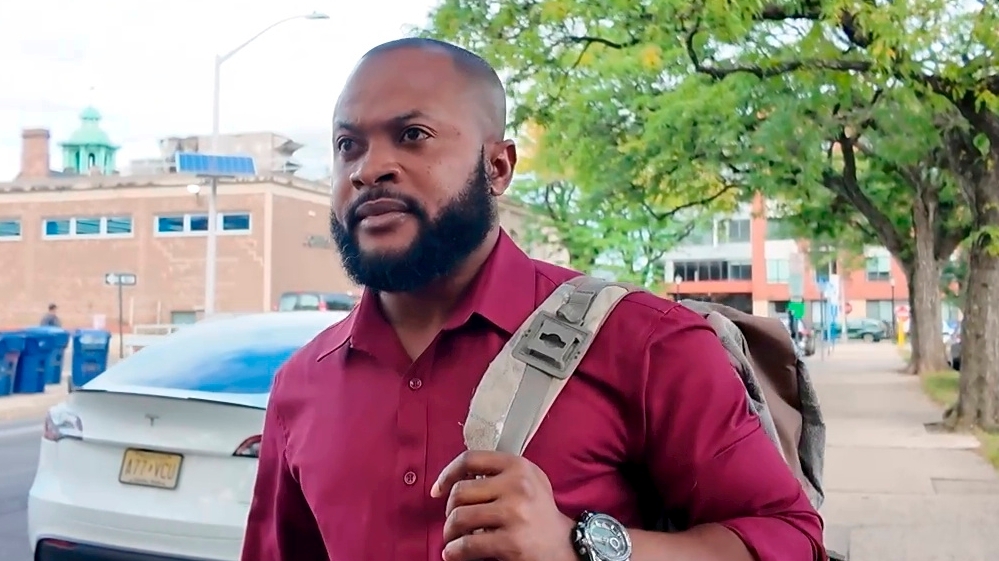
The home healthcare sector on Long Island has emerged as the most vulnerable industry for wage theft, with state and federal labor investigations revealing a pervasive pattern of exploitation. Patrick Atta, a 41-year-old Ghanaian native, exemplifies this crisis, having worked approximately 91 hours a week as a live-in home health aide without overtime. He was initially unaware he was owed tens of thousands of dollars until years after leaving his job with Patchogue-based Serene Home Nursing Agency. Atta is now slated to receive $35,000 in back pay and nearly $38,000 in damages as part of a $6.4 million settlement reached by the company with federal labor investigators, impacting nearly 500 aides. Atta's initial fear of being fired prevented him from complaining, highlighting the vulnerability of workers in this industry.
According to a Newsday analysis, the home healthcare sector accounted for nearly 40% of the $3.9 million in wages deemed stolen by Nassau- and Suffolk-based employers last year, surpassing amounts attributed to restaurants and construction firms. Between 2017 and 2025, Long Island-based home care companies collectively stole more than $11.6 million from nearly 8,000 employees across 66 agencies. This data, current as of October 2026, represents concluded labor department investigations, and experts suggest it likely "understates the true scope" given private lawsuits, settlements, and unreported cases.
The boom in home healthcare, driven by an aging population and a desire to avoid costly nursing homes, has increased the demand for aides, many of whom are particularly susceptible to wage theft. Experts and worker advocates describe the sector as the "Wild West," citing a combination of factors that contribute to mistreatment: workforce isolation, low wages, unique pay structures, and a high proportion of women and immigrants. Home care aides in New York earned an average of $39,620 in 2025, making them among the lowest-paid health sector workers. A significant 61% were on some form of public assistance in 2023, with almost a third relying on food assistance programs like SNAP. Furthermore, a Northwell Health study found that a quarter of home health aides suffer from burnout, experience racism, and face workplace violence.
A key area of dispute involves the "13-hour rule" for live-in aides, who are typically paid for only 13 hours of work per day, provided they receive eight hours of rest (including five hours of uninterrupted sleep) and three hours for meals. However, verifying whether an aide worked during their designated rest hours often devolves into disputes, with only the aide and client as potential witnesses. Workers and advocacy groups have long pushed to abolish this rule, arguing that aides routinely work through their downtime. Some New York City officials are advocating for a ban on 24-hour shifts, though this faces considerable political resistance.
Misclassification of workers as independent contractors is another common form of wage theft. Katrina Kalish, who worked as a home care aide a decade ago, was classified as an independent contractor, preventing her from receiving overtime or benefits. After filing a complaint, the state Department of Labor found Pamper Our Parents owed Kalish and 13 other workers over $71,000 in back wages. A judge later ruled the company must pay over $220,000 including damages and interest, but Kalish has yet to receive any money. Similarly, Massapequa-based Friends For Life reached a $250,000 settlement for misclassifying workers.
Industry officials contend that while some providers intentionally flout laws, others may inadvertently shortchange employees due to the complexities of Medicaid reimbursement rates that often fall short of service costs, and a "tremendously complex and bewildering web of regulations" at various government levels. They argue that "incorrectly applying overtime rules is different than an intentional effort to shortchange workers."
However, the difficulty in recouping wages remains a critical issue. Of the $4.75 million state labor investigators ruled as due to Long Island home care aides, only a quarter has been paid. While federal investigators boast a higher collection rate of approximately 90%, cases like Kalish's illustrate the severe challenges. Companies like Hempstead-based Valucare Inc. owe over $4 million in back wages to roughly 2,700 people and have faced 13 investigations without incurring penalties beyond back pay, effectively turning owed wages into a "no-interest loan" for employers. This lack of robust deterrence is a significant concern.
In response to these challenges, New York State lawmakers have taken steps to strengthen enforcement. Wage theft has been expanded from a labor law violation to a form of larceny under criminal law. Last year's state budget further empowered the New York Department of Labor to place liens on employers' property, seize financial assets, and issue stop-work orders after a judgment. This year has seen a notable increase in enforcement actions, with 135 asset seizures compared to just two last year, and 98 liens issued so far this year compared to 788 in 2025. Still, State Sen. Shelley Mayer advocates for more, proposing a bill to suspend or deny business licenses to employers who commit wage theft, arguing it should be treated seriously "like a crime."
A third of Long Island home healthcare companies have been cited for owing back wages on two or more occasions, including Pamper Our Parents, which faced at least five state or federal Department of Labor actions totaling $90,499 in back wages between 2017 and 2025. Critics like Janice Fine, director of the Workplace Justice Lab at Rutgers University, point to the perception among companies that they are unlikely to be caught, and even if they are, the costs of back wages or penalties are less than the profits gained from skirting the law. Both federal and state labor departments are severely understaffed; federal investigators are at a 50-year low, and state investigators are at half the levels seen in the 1960s. This resource deficit "negatively impacted mission-critical activities" and hinders effective wage theft probes, allowing many "criminals who never get caught" to escape accountability.
For victims of wage theft, avenues for recourse exist. Individuals can report wage theft or file a claim by calling the U.S. Department of Labor Wage and Hour Division at 866-487-9243 or the New York State Department of Labor's Wage Theft Task Force Hotline at 833-910-4378 or 888-525-2267. Patrick Atta, now studying to become a licensed practical nurse, hopes his long-awaited back pay will help fund his education. He emphasizes the need for advocacy, stating, "The job is tough and then we have nobody to fight for us."