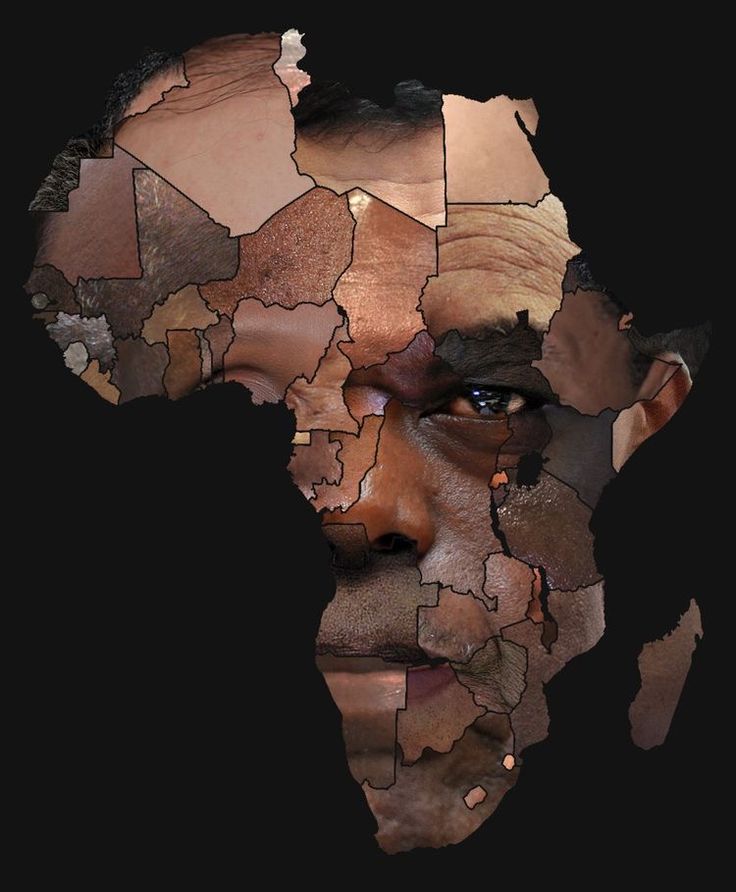
Can Africa reimagine itself without pain as the central theme of its story?
Africa is rewriting its global story—not through struggle, but through strength. From Afrobeats to Amapiano, Nobel-winning tech, and global fashion, the continent is moving from pain to pride. Here's how Africa is reclaiming its narrative.
Written By: ERIC NAMSO
For decades, Africa's identity has largely been shaped by its pain—particularly the scars of colonisation, slavery, and systemic exploitation. In history books, mainstream media, and even pop culture, the continent has too often been defined by its struggles.
While these struggles are real and should not be erased, they cannot remain the only lens through which Africa is viewed. We must ask ourselves: Can Africa reimagine itself without pain as the central theme of its story?
The answer is yes. In recent years, Africa has been actively reshaping its global narrative—not through pity, but through power.
Through groundbreaking achievements in music, sport, fashion, and technology, Africans are rewriting what it means to be from the continent. The centrepiece is slowly but surely shifting from pain to pride.
Music as a Centerpiece

Source: Bellanaija
Music has become one of Africa’s most influential cultural exports. No longer confined to local airwaves, African artists are now taking over global charts and shaping worldwide sound.
Nigerian artists like Burna Boy, Wizkid, Tems, and Rema are selling out international arenas and winning Grammy Awards. Rema’s hit Calm Down surpassed a billion streams on Spotify, and Burna Boy’s Last Last became a global anthem
Afrobeats is not just a genre, it’s a movement. Platforms like Spotify and Apple Music are building curated African playlists, while international acts like Beyoncé and Drake are collaborating with African artists.
Beyond Nigeria, South Africa’s Amapiano sound has swept across continents, and Master KG’s Jerusalema became a viral global hit during the pandemic.
The world is no longer just listening to Africa ,but it is also dancing to it.
Sport: More Than a Medal, An achievement.
Social Insight
Navigate the Rhythms of African Communities
Bold Conversations. Real Impact. True Narratives.

Source: Picture by Lisi Niesner/Reuters
Africa’s sporting influence is undeniable. From the football fields of Cameroon to the Olympic tracks of Ethiopia, African athletes are dominating the global stage. Haile Gebrselassie, Eliud Kipchoge, and Caster Semenya have shown the world that African endurance, resilience, and talent know no bounds. Kipchoge became the first man in history to run a marathon in under two hours.
In football, legends like George Weah—the only African to win the Ballon d'Or—have inspired generations. Today, players like Mohamed Salah and Sadio Mané are international icons. At the 2020 Tokyo Olympics, African women like Chioma Ajunwa and Derartu Tulu reminded the world that African excellence is as diverse as it is powerful.
African athletes are no longer underdogs.They are front-runners.

Technology: Innovation from the Motherland

Source: Business Day.
Contrary to outdated stereotypes, Africa is not lagging behind in innovation—it’s leading in its own right.
Across the continent, entrepreneurs are solving local problems with global potential. In Kenya, Anthony Mutua created charging shoes that generate electricity through walking.
In Cameroon, Marc Arthur Zang developed the Cardiopad, a life-saving device for heart diagnostics in rural areas.
Nigeria’s Dr. Otu Oviemo Ovadje invented the EATSET (Emergency Auto-Transfusion System), saving countless lives where the blood supply is low. South Africa’s Allan Cormack co-invented the CTA scan machine, which revolutionised modern medicine and won him a Nobel Prize.
Beyond individual inventions, Africa is embracing breakthrough tech trends. Countries like Ghana and Ethiopia are developing space science programs. Rwanda is testing digital twins for urban planning, and startups across the continent are building AI health diagnostics, CRISPR-edited crops, and mRNA vaccines.
Africa is not just consuming technology; it is building it. Making it for others.
Fashion: Dressed for Global Recognition
Social Insight
Navigate the Rhythms of African Communities
Bold Conversations. Real Impact. True Narratives.

Source: Photo by Simon Deiner/Vogue Business
African fashion has broken through runways, not only as a trend but as a movement of cultural pride.
Designers like Chuks Collins and Kibonen Nfi are challenging Western beauty norms and industry barriers. At New York Fashion Week, African designers are no longer rare guests—they are main acts.
Yet, behind the glitz are real struggles: lack of manufacturing infrastructure, high production costs, and limited institutional support.
But designers are responding with innovation: blockchain, NFTs, and made-to-order systems that embrace sustainability while preserving authenticity.
African textiles, patterns, and stories are no longer “inspired by” Africa—they are from Africa, made by Africans, and worn around the world.
Supporting this new change
Supporting this new shift, more opportunities should be created for aspiring creators across every region of the continent. In both schools and local communities, these platforms and resources must be made accessible to all, regardless of background or location.
Grants, scholarships, and seed investments should be channelled towards young African talents across tech, music, sport, and design.
Beyond money, they need guidance—mentorships from industry leaders who’ve walked the path. This can equip them to thrive in competitive spaces and global markets.
Without access to power, internet, or basic tools, creativity is stifled before it even begins. Governments and private stakeholders must invest in digital infrastructure and technology hubs that reach beyond capitals and urban centres. If young people can access Wi-Fi and stable electricity, innovation will follow.
The media must shift its lens.
African media and storytelling should amplify innovation just as much as it does hardship. Narratives shape perception, and perception affects investment.

Source: BM Archives, QD-30.106.0058
Social Insight
Navigate the Rhythms of African Communities
Bold Conversations. Real Impact. True Narratives.
When local success stories are celebrated, it fuels confidence among youth and trust from international backers.
Africans abroad are contributing heavily to global industries. When they invest back home: through mentorship, funding, or partnerships, it accelerates progress. A united African identity, both local and global, is key to pushing this renaissance forward.
Promoting collaborations
Imagine fashion brands partnering with tech startups, or musicians building platforms for emerging artists.
READ ALSO:Africa’s Digital Architects: 10 Tech Pioneers You Should Know
These collaborations can create job pipelines and export-ready industries. A connected ecosystem creates more than isolated success—it builds sustainable legacies.
Safeguarding the Legacy
African governments must not only fund innovation but also protect it. Stronger copyright laws, innovation-friendly policies, and education reform are essential. If creators feel safe to invent and protected in their process, they’ll go further, and so will the continent.
In Conclusion
Africa’s past is undeniably marked by pain, but that pain is not the sum of who we are.
We are the beat the world dances to, the voices reshaping global soundscapes. We are the minds building the next medical breakthroughs, the feet breaking Olympic records, and the hands weaving culture into fashion that walks the world’s runways.
The time has come to stop viewing Africa solely through the lens of survival. We are thriving, innovating, creating, and leading. This is not just a shift in narrative—it’s a reclamation of identity.
Our renaissance is already underway. But for it to last, we must invest in our talent, protect our creators, and celebrate our own stories. From Lagos to Kigali, Johannesburg to Accra, every beat, every code, every stitch, and every stride is proof: Africa is no longer defined by its pain, but by its power.
Written By: ERIC NAMSO