Beyond Nigeria: Other Places in the World Named Lagos
Lagos is widely known as Nigeria’s commercial hub, but it is not the only place with the name. See other locations around the world that share the name Lagos and why the name appears in different regions.
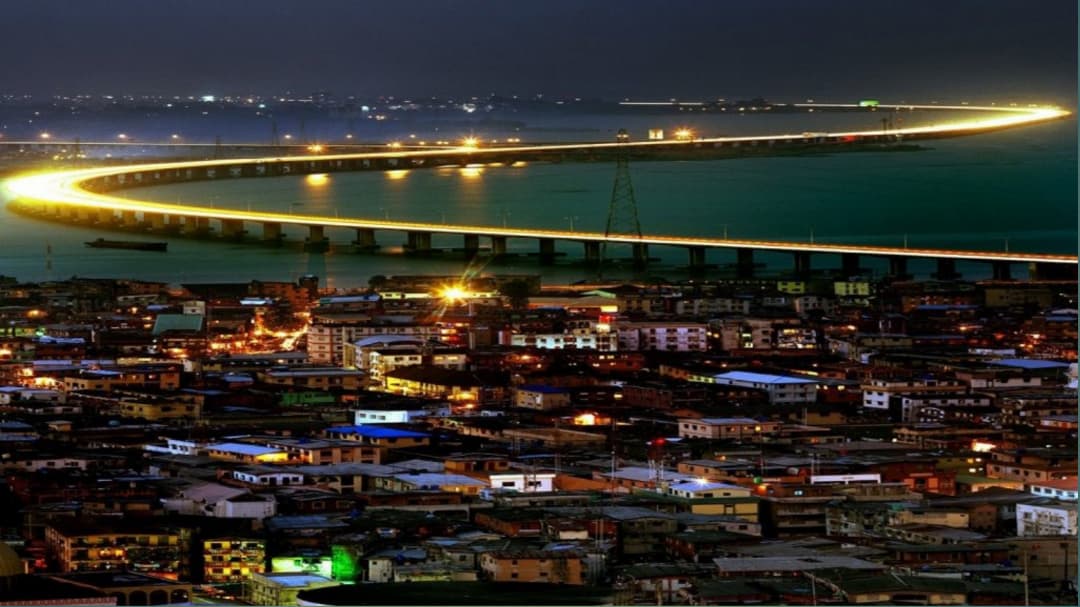
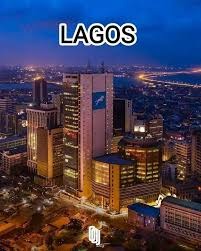
Nigeria’s Lagos is the most famous city with the name, and for many people, it is the only one that comes to mind.
Historically, the area was originally known as Eko before the name “Lagos” became widely used during Portuguese contact with the region.
Over time, it developed into what is now Nigeria’s economic heartbeat, a city known for trade, entertainment, technology, and constant movement.
Today, Lagos stands as one of Africa’s most influential urban centers, often described as the country’s commercial capital and one of the fastest-growing megacities in the world.
Because of this global presence, it is easy to assume the name exists only in Nigeria.
But that is not entirely true.
Lagos, Portugal
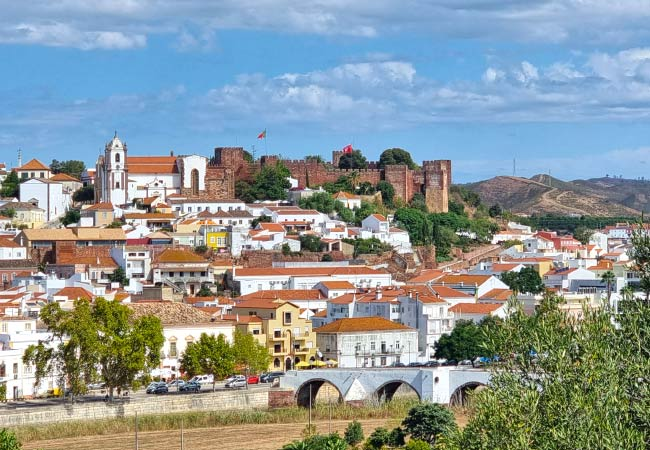
One of the clearest and most established places sharing the name is Lagos in Portugal.
Located in the Algarve region in southern Portugal,this Lagos is a coastal city known for its historical ties to maritime exploration and its scenic Atlantic coastline. It has a long history connected to Portugal’s age of discovery and remains a popular destination for tourism today.
Unlike Nigeria’s Lagos, which is known for its urban intensity, Lagos in Portugal is quieter and more laid-back, with a strong focus on coastal life and historical architecture.
The shared name is not a coincidence. It is tied to the Portuguese word “lagos,” which relates to lakes or lagoon-like water features, a naming influence that also played a role in how Nigeria’s Lagos got its name through early Portuguese contact.
2. Lagos, Greece
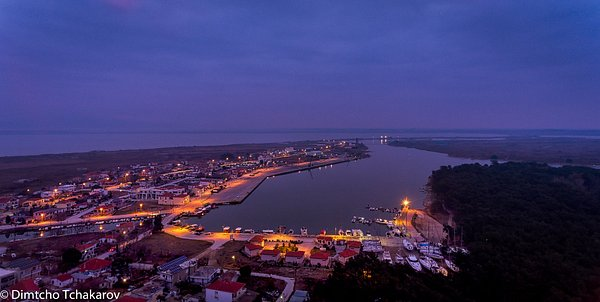
In Greece, Lagos is not a major city but a small locality found in the Xanthi regional unit in the northern part of the country.
It is a quiet settlement rather than an urban center, located near wetlands and coastal areas. Because of its size, it does not have the global visibility of Nigeria or Portugal’s Lagos, but it is officially recognized as a place name within Greece.
The name in this context is tied more to local geography than to historical or colonial influence. It reflects how similar-sounding names can appear independently in different regions, especially in places located near water bodies or coastal landscapes.
Unlike Nigeria’s Lagos or Portugal’s Lagos, this version is more rural and limited in scope, but still part of the broader pattern of geographic naming.

3. Los Lagos, Chile
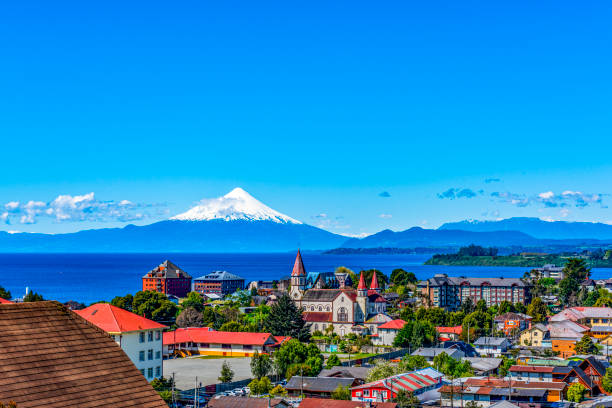
In Chile, “Lagos” appears in the name Los Lagos, which is a large administrative region in the southern part of the country.
The term “Los Lagos” translates directly from Spanish as “The Lakes,” which describes the geography of the region. It is known for its lakes, volcanoes, mountains, and scenic landscapes.
This region includes several cities such as Puerto Montt and Osorno, but none of them are individually named Lagos.
This is an important distinction because many people mistakenly assume Chile has a city called Lagos. In reality, it is a descriptive regional name based on natural features rather than a direct city name like Lagos in Nigeria or Portugal.
Why the Name “Lagos” Appears in Different Places
The repetition of the name “Lagos” across different regions is not random.
In many cases, it comes from linguistic and geographical influences. The Portuguese word “lagos” is linked to lakes or water bodies, and this influence spread through exploration and colonization, especially during the period when European explorers named new territories based on physical features.
This is part of why Nigeria’s Lagos carries the name despite originally being called Eko. Early Portuguese contact influenced the naming, connecting it loosely to similar water-based geographic descriptions.
In other cases, names like “Los Lagos” in Chile come from Spanish, where “lagos” simply means “lakes,” showing how similar words naturally appear in different languages without any direct connection between the places themselves.
So the repetition is less about shared identity and more about shared language patterns describing water and geography.