Apps That Don’t Crash? Thank Containers and Microservices!
Learn the tech behind apps that just work! This article explains how containers and microservices make apps reliable, scalable, and fast, giving you a peek into the modern software architecture powering Netflix, Spotify, and more.

If you navigate through apps and websites a lot, you might have wondered how big companies like Netflix, Instagram, or Spotify handle millions of users at the same time.
The secret lies in modern software architecture, and two key technologies are containerization and microservices.
They might sound complicated, but they’re actually pretty easy to understand.
What is Containerization?
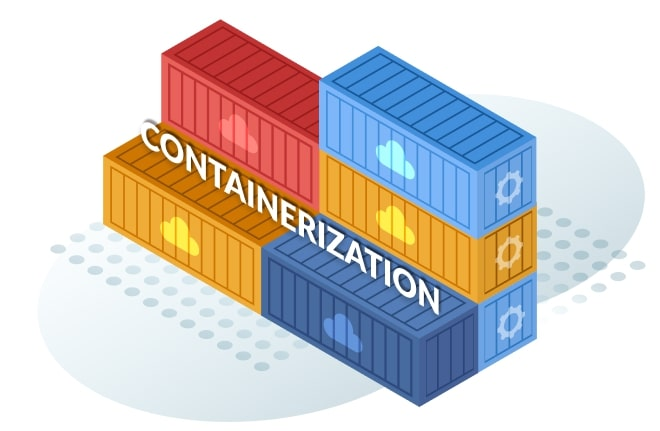
Containerization is a way to package an app so it can run anywhere, without breaking.
Containerization is a technology that allows developers to package an application along with all of its dependencies into a single, lightweight, and portable unit called a container.
Imagine you want to send a video game to a friend.
You wouldn’t just send the game file, you’d also include all the extra tools and settings it needs to run. If your friend doesn’t have the right software, the game might not work.
Containers solve this problem for apps. They are small, portable “packages” that include the app and everything it needs to run properly, like code, libraries, and settings.
Unlike traditional virtual machines, containers share the computer’s operating system, which makes them smaller, faster, and easier to use.
Key benefits:
Works anywhere without changes
Starts fast and uses fewer resources
Avoids compatibility problems
What are Microservices?
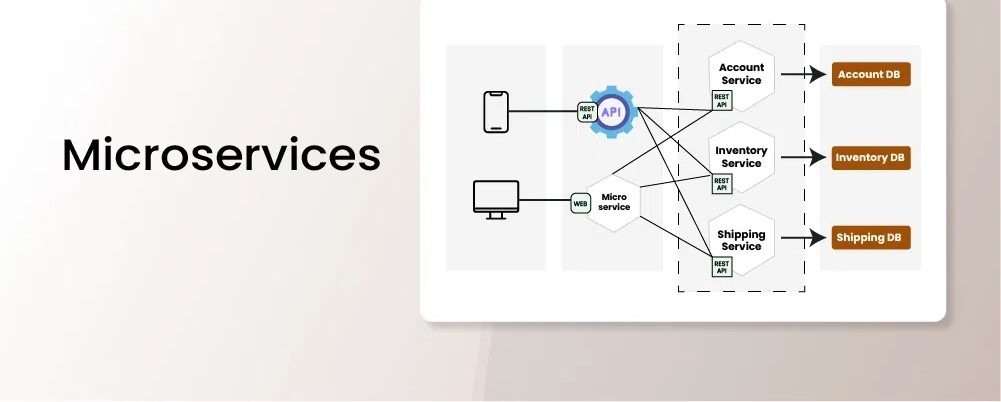
Traditionally, apps were built as one big program called a monolith.
Updating one part of a monolith could accidentally break other parts, which made development slow and risky.Microservices fix this by breaking an app into smaller, independent pieces, each called a microservice.
Each microservice performs one specific function, such as handling user login, processing payments, or displaying products.

Because microservices are independent, developers can update or improve one service without affecting the others.
They can also scale services separately, making apps faster and more reliable.
Key benefits:
Scale only the services that need more resources
Teams can develop different services at the same time
If one service fails, the rest of the app keeps working
How Containers and Microservices Work Together
Containers and microservices are a perfect match. Each microservice can be placed in its own container, which ensures it will run exactly the same anywhere.
This makes it easy to move services, update them, or scale them independently.
For example, an e-commerce app likeAmazon might have separate microservices for user login, payment, inventory, and product catalog.
Latest Tech News
Decode Africa's Digital Transformation
From Startups to Fintech Hubs - We Cover It All.
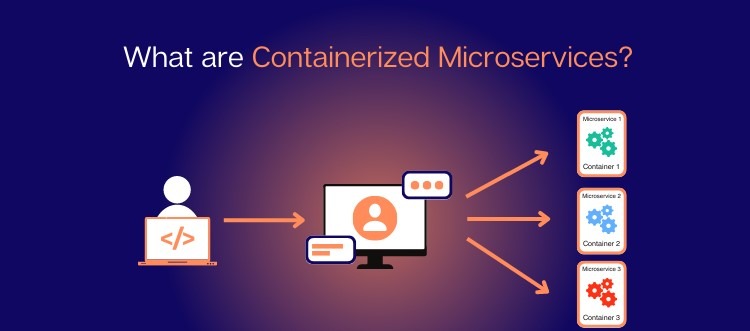
Each service runs in its own container. If too many people are making payments at the same time, the payment microservice can get extra containers to handle the traffic without affecting the other services.
This combination makes apps flexible, fast, and resilient, which is why many big tech companies use it.
Examples
Some of the biggest tech companies rely on containerized microservices to keep their apps running smoothly.
Netflix streams videos to millions of users worldwide, and even if one microservice has a problem, the rest of the platform keeps running.
Spotify manages music, playlists, and recommendations using microservices, allowing updates to happen without disrupting the whole system.
Amazon handles millions of products, payments, and users by running microservices in containers, which makes scaling fast and reliable.
These examples show that containerized microservices aren’t just theory, they’re the backbone of the apps we use every day.
Tools That Make It Work
Developers use several tools to make containers and microservices work together efficiently.Docker is the most popular tool for creating and running containers.
Kubernetes is used to manage many containers across multiple servers, making sure they work together smoothly.
Service meshes likeIstio andLinkerd help microservices communicate securely and reliably. Continuous integration and deployment tools, such asJenkins andGitHub Actions, automate updates and deployment, allowing apps to grow quickly without breaking.
Together, these tools form a powerful ecosystem that supports modern software development.
Key tools:
Docker for containers
Kubernetes for managing many containers
Istio/Linkerd for microservice communication
Jenkins/GitHub Actions for automated deployment
Conclusion
Containers make apps portable, reliable, and consistent, while microservices break apps into small, independent pieces that are easier to develop, scale, and maintain.
Together, they make apps faster, more flexible, and more resilient.
So the next time you stream a video, shop online, or play a mobile game, remember that containers and microservices are likely behind the scenes, keeping everything running smoothly.