NPP Figures Question Abronye DC’s Remand, Raise Concerns Over Due Process
The detention of NPP's Bono Regional Chairman, Abronye DC, has drawn sharp criticism from party stalwarts like Dr. Bernard Okoe-Boye and Justin Frimpong Kodua. They condemn the move as an affront to free speech and due process, raising concerns about judicial independence and the political weaponization of legal proceedings in Ghana.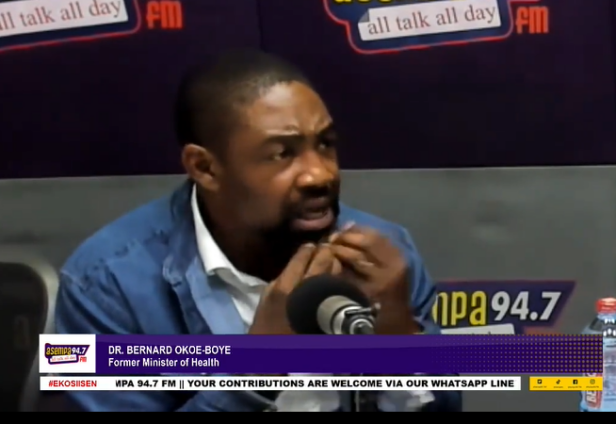
The remand of Kwame Baffoe, Bono Regional Chairman of the New Patriotic Party (NPP), has sparked debate among party officials and legal observers, with critics questioning the handling of the case and its implications for free speech and due process.
Abronye was remanded into police custody as investigations continue into allegations relating to misinformation and offensive public remarks. The decision has triggered strong reactions from senior members of the opposition party.
Former Health Minister Bernard Okoe-Boye criticized the detention, arguing that democratic societies must tolerate differing views, even when those views are controversial or unpopular.
Okoe-Boye said he did not necessarily agree with Abronye’s style of communication but warned against measures that could be perceived as restricting freedom of expression. He stressed the importance of distinguishing criticism of judicial decisions from personal attacks on judges.
The former minister also questioned the role of the Judicial Secretary in the complaint process, suggesting that the circumstances surrounding the case could create concerns about judicial independence and impartiality. He argued that a civil action for defamation may have been a more appropriate avenue for addressing grievances.
Okoe-Boye further cautioned that developments perceived as limiting free expression could affect Ghana’s democratic reputation internationally. According to him, the country’s image depends on maintaining strong protections for civil liberties and open public discourse.
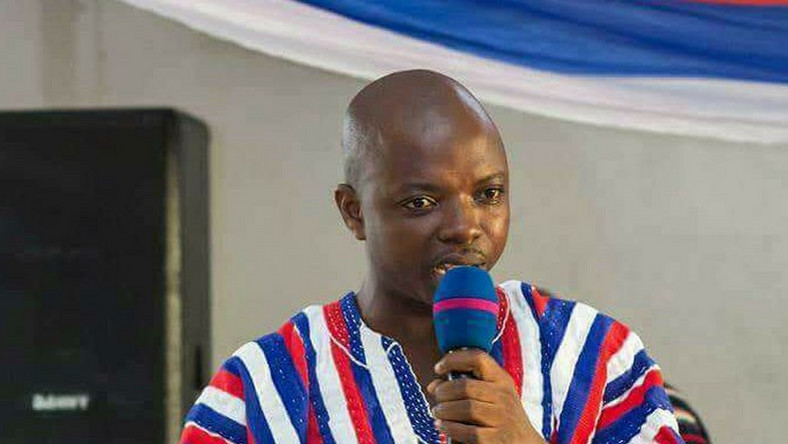
Similar concerns were raised by Justin Frimpong Kodua, who called for fairness and consistency in the application of the law. He maintained that while no individual should be above investigation, legal processes must be conducted without political influence.
Speaking on Joy FM's Top Story, Kodua alleged that some government critics were being selectively targeted. He emphasized that equal treatment under the law remains a fundamental principle of democratic governance.
The NPP official also questioned the basis for the remand order, arguing that prolonged detention should not be justified solely on concerns that an accused person might repeat an alleged offence before a court reaches a verdict.
He urged the Judicial Council of Ghana to continue safeguarding the independence and professionalism of the judiciary, warning that public confidence could be undermined if judicial decisions are perceived as politically motivated.
The case continues to attract public attention, with legal analysts and political observers closely monitoring developments as investigations and court proceedings move forward. The broader debate over free speech and judicial accountability is expected to remain a key issue in the weeks ahead.