5 Body Functions You Can’t Control No Matter How Hard You Try
Think you control your body? Think again. Discover 5 surprising body functions you can’t command, and the science that keeps them on autopilot.
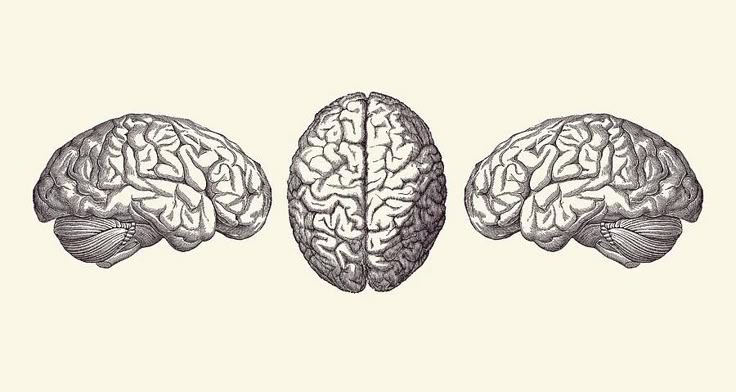
Humans like to believe we’re in charge of our own bodies. We jog to strengthen our muscles, meditate to sharpen our focus, and even use apps to track our sleep cycles and heart rates.
On the surface, it feels like mastery. But here’s the uncomfortable truth: much of what keeps you alive happens completely outside your control.
Your body is a brilliant machine with systems designed to operate on autopilot. Without your conscious permission, cells divide, enzymes break down food, nerves fire, and muscles twitch. You may steer your life, but biology drives the vehicle.
Lets look at five body functions you cannot control no matter how hard you try and the fascinating science behind why that’s the case.
1. Your Heartbeat: The Relentless Rhythm of Life

Photo Credit: Harvard Health | Fun fact about the heart is thatYour heart creates enough pressure to squirt blood up to 30 feet.
Take a moment to notice your heartbeat. You might feel it thump against your chest after climbing the stairs or slow down when you’re lying quietly in bed. But can you will it to stop? Can you tell it to beat faster without moving or imagining something stressful? Not really.
The reason is that your heartbeat is controlled by the autonomic nervous system, which governs involuntary functions like breathing, digestion, and circulation. At the centre of this system is the sinoatrial (SA) node, a small cluster of specialized cells in the right atrium of the heart. These cells generate electrical impulses, causing the heart to contract in a steady rhythm.
Even outside your body, the heart can keep beating temporarily if oxygen is supplied, because the SA node works independently of the brain. This phenomenon has fascinated medical researchers and is one reason organ transplants are even possible.
What you can influence: Meditation, breathing exercises, and biofeedback can lower your heart rate by shifting your body into a more relaxed state. Similarly, fear, adrenaline, and stress can speed it up. But full conscious control? Impossible.
Why it matters: If you had to remember to keep your heart pumping, you’d never survive. Nature solved the problem by automating the process.
The heartbeat is the ultimate reminder that life’s most essential rhythm is not yours to command.
2. Digestion: The Silent Symphony of the Gut
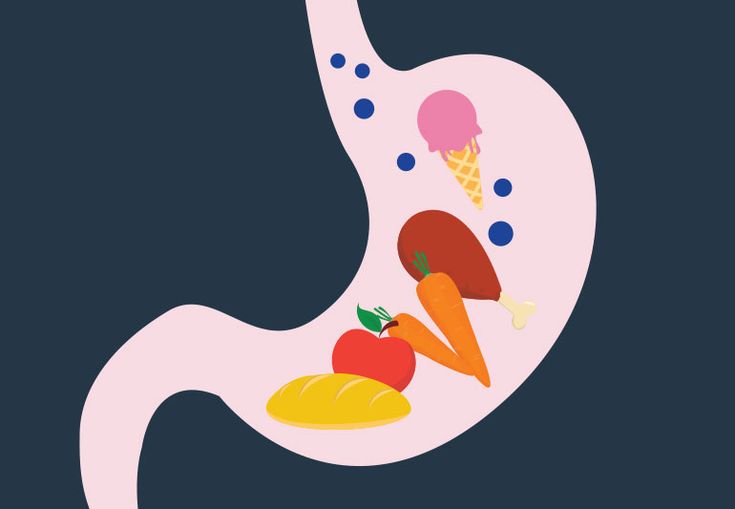
Photo Credit: Pinterest | Fun fact about digestion is that your stomach gets a brand-new lining every 3 to 4 days and the small intestine isn’t actually small at all; it’s about 6 meters (20 feet) long, making it the longest part of your digestive system.
Imagine if after every meal, you had to sit down and tell your body: “Release stomach acid. Now break down carbohydrates. Absorb that protein. Move it to the intestines.” You’d never leave the dinner table.
Thankfully, digestion runs on its own, thanks to the enteric nervous system (ENS)—often called the “second brain.” This complex network of about 100 million neurons runs along the gastrointestinal tract and manages everything from enzyme secretion to nutrient absorption. What’s fascinating is that the ENS can function independently of the brain, although the two systems constantly communicate.
Here’s how it works:
Mouth: Saliva breaks down starch with enzymes like amylase.
Stomach: Gastric acid and enzymes dissolve proteins while muscular contractions churn the food.
Small Intestine: Bile and pancreatic enzymes break down fats and carbohydrates, while villi absorb nutrients.
Large Intestine: Bacteria ferment undigested carbs, water is reabsorbed, and waste is formed.
All of this happens whether you’re awake, asleep, or unconscious.
Fun fact: Your gut microbes (trillions of bacteria) play such a big role in digestion and immunity that scientists often call them a hidden organ.
Why it matters: The automatic nature of digestion ensures survival. You don’t need to “remember” to extract calories from food—it happens while you’re watching Netflix.
No amount of concentration will let you command your stomach to release bile on cue. It’s one of those body functions nature wisely kept beyond conscious reach.
3. Goosebumps: Nature’s Leftover Alarm System
Photo Credit: Science Photo Library | Fun fact is that goosebumps can be triggered by emotions like awe or inspiration.
Think back to a time you listened to a hauntingly beautiful song, got startled in the dark, or stepped into cold water. Chances are, you felt goosebumps spread across your arms. Could you summon them at will right now? Probably not.
Goosebumps occur when tiny muscles at the base of hair follicles, called arrector pili, contract in response to signals from the sympathetic nervous system. This involuntary response is tied to both temperature regulation and emotional states.
Evolutionary backstory: In animals, this reaction makes fur stand on end, trapping heat for warmth or making the animal look bigger when threatened. In humans, who lost most of their body hair through evolution, goosebumps have little practical use.
Emotional twist: Goosebumps are not only linked to fear or cold but also to moments of awe—scientists call this frisson, a skin-tingling reaction to powerful stimuli like music, art, or religious experiences.
Why you can’t control it: The reaction is automatic, mediated by ancient survival wiring. You can’t simply “decide” to contract those muscles.
In short, goosebumps are a relic of our evolutionary past, popping up to remind us of a time when body hair was a survival tool, not just a fashion statement.
4. Reflexes: Your Body’s Instant Defense System

Photo Credit: Wikipedia
Ever had a doctor tap your knee with a reflex hammer, making your leg kick forward before you could stop it? That’s a classic example of an involuntary reflex.
Reflexes are automatic, rapid responses to stimuli that bypass the brain. Instead, the message travels to the spinal cord and back, saving precious milliseconds. This is why you pull your hand away from a hot stove before you consciously realize it’s burning you.
Types of reflexes:
Protective reflexes (like blinking when something approaches your eyes).
Postural reflexes (helping you balance when you stumble).
Visceral reflexes (controlling things like blood pressure).
Why you can’t control them: Reflexes are hardwired for survival. Consciously “overriding” them would slow down your reaction and increase danger.
Interesting twist: Martial artists and trained athletes can sometimes dull reflex responses through conditioning, but even then, the basic reflex arc cannot be switched off entirely.
Reflexes prove that sometimes, your body doesn’t wait for your brain to think—it simply acts to protect you.
5. Sneezing: The Unstoppable Expulsion

Photo Credit: Cleveland
Few things feel more inevitable than a sneeze. That tickle in the nose builds, your body braces, and—whether you’re ready or not—it erupts. Sneezing is triggered when irritants (like dust, pepper, or pollen) stimulate receptors in your nasal cavity, activating the trigeminal nerve.
The brainstem then coordinates a series of muscle contractions to expel the irritant at speeds of up to 100 miles per hour.
Why it matters: Sneezing is a built-in defense mechanism, clearing out foreign particles and potential pathogens from your respiratory system.
Fun fact: Some people experience the photic sneeze reflex, where sudden exposure to bright light triggers sneezing. Scientists estimate it affects up to 35% of the population.
Why you can’t stop it: The reflex is so deeply programmed that even trying to suppress a sneeze can be risky—it can lead to ruptured blood vessels or ear damage in rare cases.
So next time someone says “Bless you,” remember: you never had a choice in the first place.
Why These Functions Stay Out of Our Control
At first, it may feel frustrating that so many essential body functions happen without our say. But there’s an important evolutionary reason behind this. Automation ensures survival.
If humans had to consciously remember to keep their hearts beating, control digestion, or blink to protect their eyes, we’d be extinct. By placing these functions under the governance of the autonomic nervous system, nature ensured that they would always run in the background—like life’s most reliable operating system.
This separation also frees up your conscious brain for problem-solving, planning, creativity, and survival strategies. You don’t have to micromanage your biology; you just get to live.
Conclusion

From the relentless pulse of your heart to the unstoppable force of a sneeze, these body functions highlight the brilliance of human design. They remind us that control is sometimes an illusion—and that’s not a bad thing.
So the next time goosebumps rise on your arms during a favourite song or your reflexes save you from tripping, remember: your body is working tirelessly behind the scenes, doing things you’ll never consciously command. And maybe that’s the most comforting thought of all.