5 Ancient African Beauty Practices That Shaped Identity and Culture
Ancient African beauty was practical, symbolic, and deeply cultural. These traditional practices reveal how beauty once reflected identity, community, and everyday life.
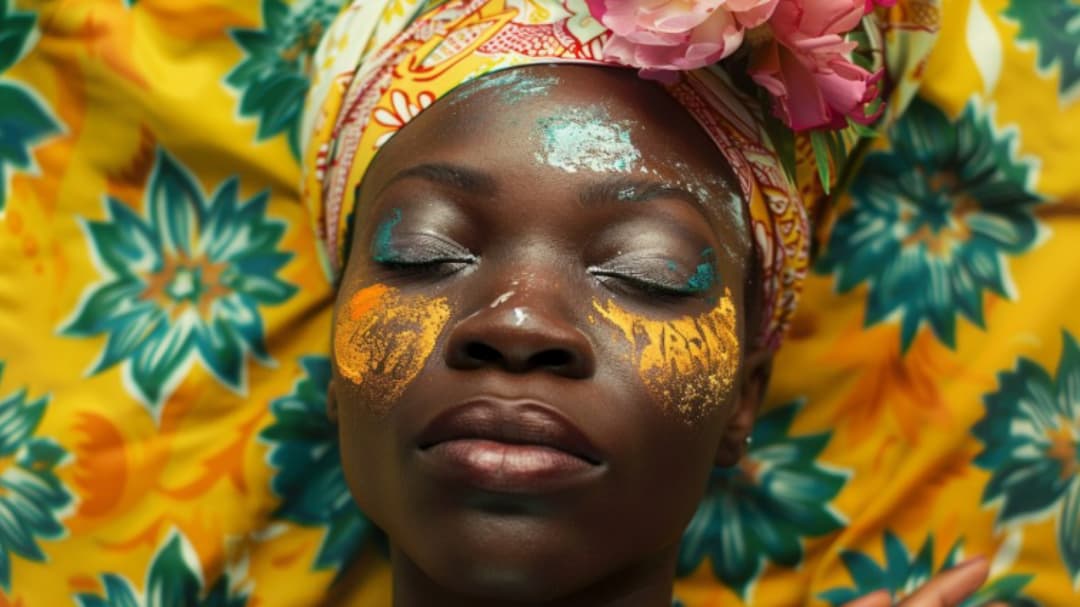
Africa had its own beauty routine long before modern skincare and hair products existed. These practices were part of daily life, shaped by environment, culture, and what people had around them.
Before colonial influence and shifting belief systems, many of these traditions were widely practiced and deeply respected. They were not random habits, they were practical, cultural, and meaningful in everyday living.
1. Shea butter
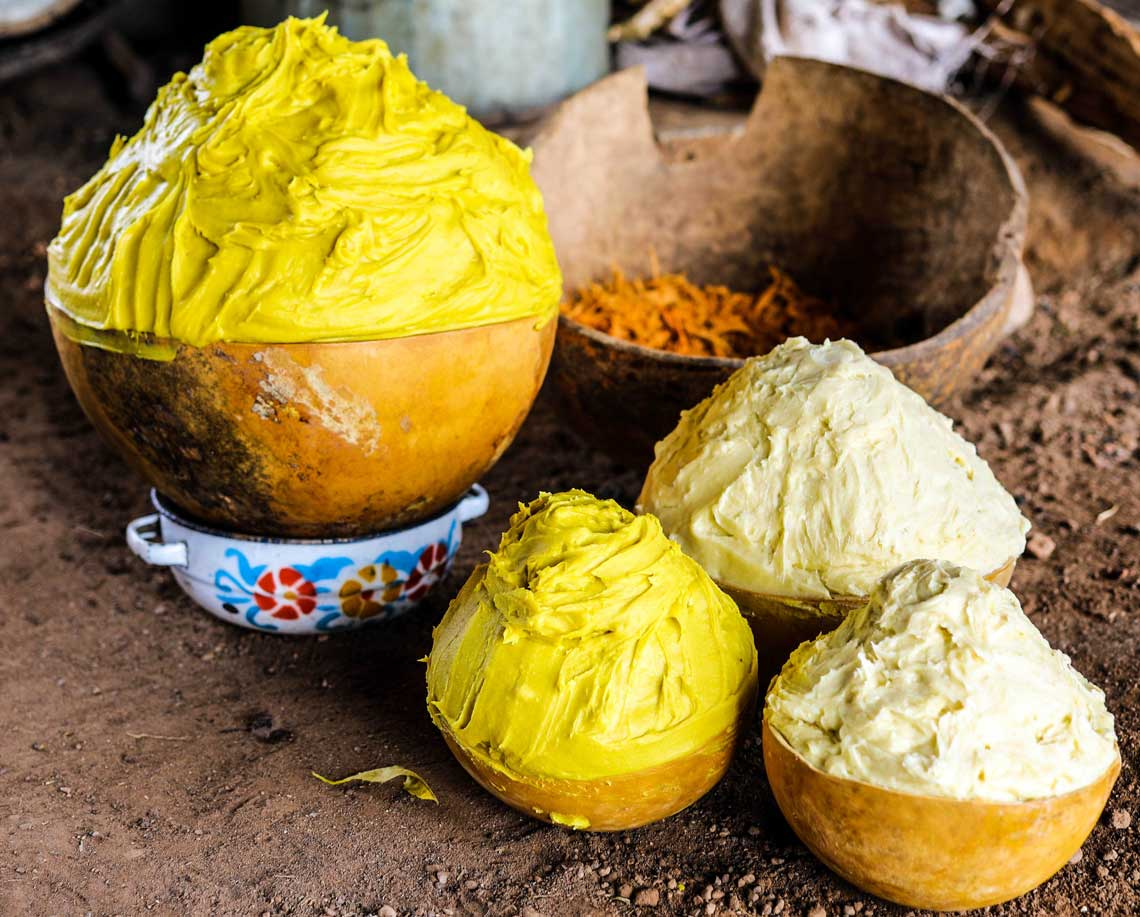
Shea butter has been used across Africa for generations, especially in West African communities.
It is made from the nuts of the shea tree and used for both skin and hair. People applied it daily to keep skin soft, prevent dryness, and protect the body from harsh weather conditions. It also helped strengthen and soften hair, especially in dry climates.
In many homes, it was part of everyday care for babies, adults, and elders. It wasn't treated like something special or luxurious, it was simply necessary for survival in the environment.
What stands out is how consistent its use has remained across generations.
2. Black soap

Black soap is one of the most widely known traditional African skincare products.
It is made from plantain skin ash, cocoa pod powder, palm oil, coconut oil, shea butter, and sometimes honey. Each region and community often had its own variation depending on available materials.
People used it to wash the body, treat acne, smooth the skin, and maintain overall skin health. Unlike modern soaps that rely on fragrance or branding, black soap was built entirely around function.
It cleaned deeply but was still gentle on the skin, which is why it remained trusted for generations.
3. Dreadlocks and Hair as Identity
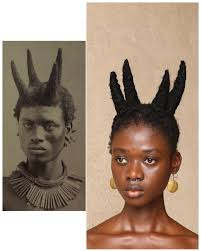
Dreadlocks have existed in African societies for centuries, and hair itself carried deep meaning beyond appearance.
Locked hair was practical, it reduced daily manipulation and worked well with natural hair textures. But beyond practicality, hair in many African communities was also a clear marker of identity.
It could show:
Age
Tribe or community
Marital status
Social rank
Hair was not just styled, it was read. People could look at someone's hair and understand parts of their identity without a word being spoken.
That is what made hair such a powerful cultural language.
4. Clay & Earth-Based Skin Rituals
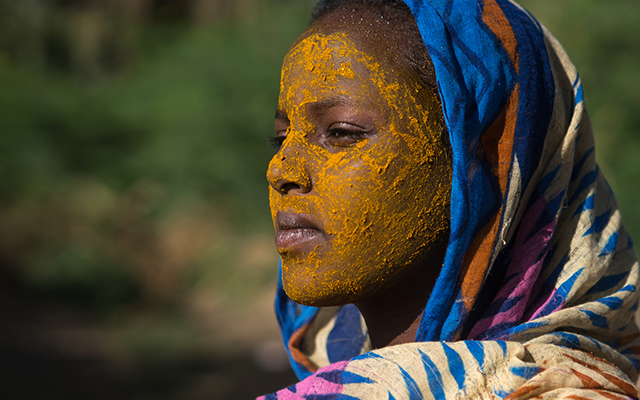
Clay was widely used in many African communities as part of skincare and body care.
Different types of natural earth—white, red, yellow, were applied to the skin for cleansing, cooling, and protection. In hot climates, it helped manage heat and absorb excess oil. In other cases, it was used during ceremonies and cultural rituals where the body needed to be marked or prepared.
What makes it important is how directly it connects people to their environment. The skin was literally cared for using the earth beneath their feet.
5. Body Adornment – Beads, Henna & Piercings
Body adornment was a major part of beauty expression in ancient Africa.
People wore waist beads, ankle beads, wrist beads, and also used piercings in different parts of the body such as the ears and nose. Henna designs were also used, especially during ceremonies and important life events.
These were not just decorative choices. They often carried meaning tied to femininity, maturity, identity, or social standing depending on the culture.
Waist beads, for example, could mark body development or personal milestones. In some traditions, they were private symbols worn under clothing, meaningful to the wearer.
Body adornment was a way of expressing identity through the body itself.
Conclusion
These beauty practices were not scattered habits, they were structured parts of everyday African life.
They were practical, natural, and deeply connected to identity and environment. Nothing about them was random or superficial.

Even today, many of these practices still exist in different forms, though they are not always recognized for their origins.
At the core, they show something simple but powerful: beauty in ancient Africa was not about changing the body, it was about understanding it.