10 African Slang Phrases That Deserve a Place in the Oxford Dictionary
From sapa to japa, African slang captures the continent’s rhythm, resilience, and wit. Here are ten vibrant expressions shaping modern English and why they deserve a seat in the Oxford Dictionary.
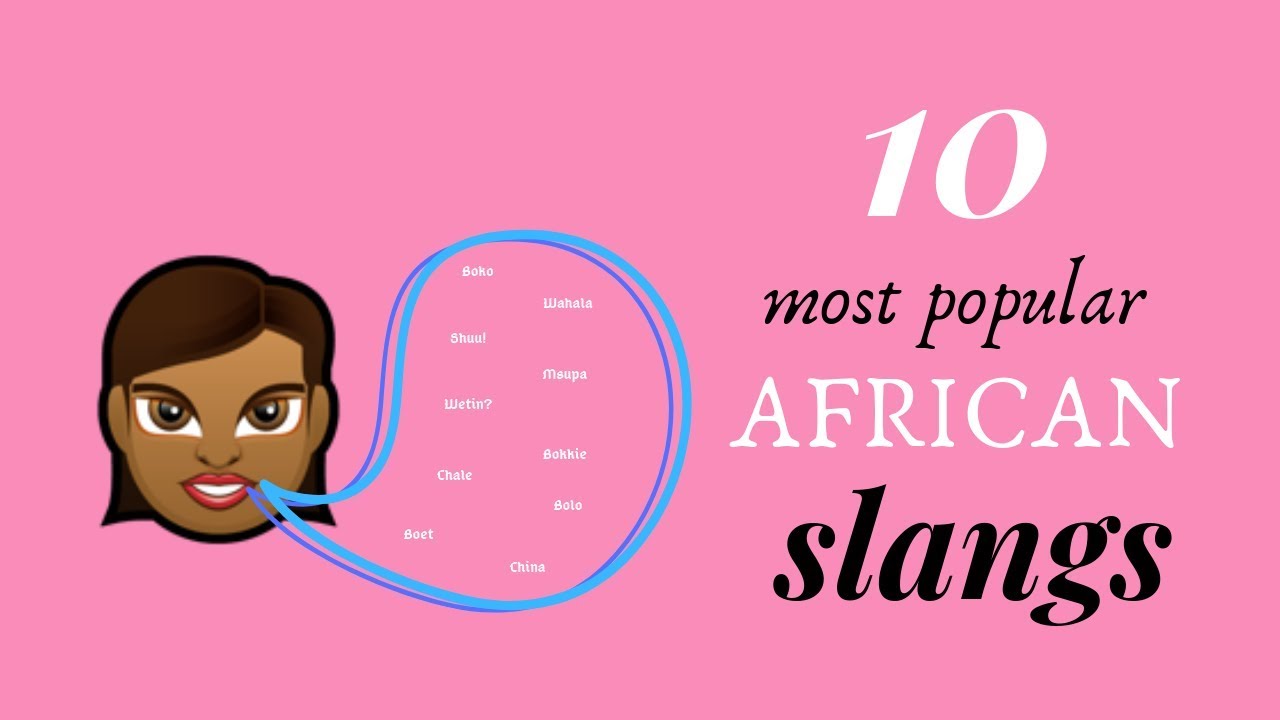
Across Africa, words move faster than Wi-Fi. They travel through markets, music, and memes; carrying laughter, struggle, and pride. Slang on the continent isn’t just a way of speaking; it’s a reflection of shared experience and creativity. From “Sapa don catch me” to “No wahala,” these are the words that built a new kind of English; raw, emotional, and brilliantly African.
1. Sapa (Nigeria) — When Poverty Hits Hard
No word captures financial pain more sharply than sapa. In Nigerian slang, it means being flat broke, often used humorously yet painfully in phrases like “Sapa don hold me tight.”
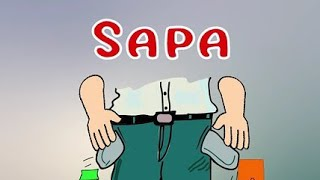
According to Wikipedia, sapa originated from Nigerian youth slang, reflecting economic hardship and the ingenuity of finding humor in it. Financial blogs such as Invest Bamboo even explore its cultural and financial relevance, the proof that sapa has gone beyond street talk to become part of the national consciousness.
It’s more than a meme; sapa is an identity, an inside joke that unites millions.
2. Wahala (West Africa) — Trouble, Fuss, or Drama
Already recognized by the Oxford English Dictionary, wahala means “trouble” or “problem” in Nigerian English, derived from Hausa and Yoruba. But its real charm lies in how flexibly it’s used.
A calm “No wahala” can mean “it’s fine,” while “Wahala dey o!” warns of chaos. As Wikipedia explains, the word’s power lies in its tone and context, sometimes playful, sometimes serious.
Wahala is one of Africa’s most exported slang words, showing up in Afrobeats lyrics, Nollywood films, and even global memes. Its rhythm alone, that rolling wa-ha-la deserves a dictionary line of its own.
3. Japa (Nigeria) — Escape, Emigrate, or Break Free
Few words capture modern Nigerian ambition like japa. Derived from the Yoruba word meaning “to run or flee,” it now refers to the act of relocating abroad, often in search of a better life.
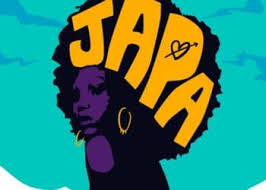
The phrase gained momentum during the wave of emigration in the late 2010s and early 2020s, when educated Nigerians sought opportunities overseas. Wikipedia traces japa’s evolution from street slang to a sociopolitical term.
Today, journalists write about “the japa syndrome,” and even policymakers reference it. It’s not just slang anymore; it’s a generational manifesto.
4. Omo (Nigeria/Yoruba) — Surprise, Identity, or Emotion
In Yoruba, omo literally means “child,” but in Nigerian slang, it’s a universal exclamation. You’ll hear “Omo!” when someone is shocked, impressed, or overwhelmed.
It’s one of the most versatile expressions in modern Nigerian speech, functioning as greeting, filler, or reaction. A simple “Omo, this life no easy!” captures empathy, fatigue, and humor all at once.
Omo is emotional shorthand, a proof that some of the best words need no translation.
5. Gbege (Nigeria/Pidgin) — Trouble or Conflict
Used widely in Nigerian Pidgin, gbege translates loosely as “drama,” “commotion,” or “a problematic situation.” It’s that word you drop when things spiral out of hand; “Wetin be this gbege now?”
Culture
Read Between the Lines of African Society
Your Gateway to Africa's Untold Cultural Narratives.
Sites like Zikoko rank it among top Nigerian slangs of recent years, praising its expressive tone and adaptability. In Afrobeats songs and street conversations, gbege has become shorthand for chaos with style.
6. Ajebo / Ajebutter (Nigeria) — The Privileged One
If someone calls you ajebo, they’re teasing, maybe admiring your soft life. The term stems from Yoruba “aji bo,” meaning “to taste luxury,” and refers to someone from a comfortable background.
Cultural commentary from Zikoko and similar outlets note how ajebo evolved from class distinction to cultural humor. Today, the “ajebo vs. aje pako” (posh vs. rough) divide fuels music, fashion, and even comedy skits.
It’s both satire and status symbol, a linguistic wink at Nigeria’s social contrasts.
7. Owambe (Nigeria) — The Ultimate Party
No country celebrates quite like Nigeria, and owambe is proof. Derived from Yoruba, it describes an extravagant party full of food, color, and music, a social event that’s equal parts competition and community.

The owambe culture has inspired documentaries and essays in outlets like BBC Culture, which highlight its artistry and economic significance. Event planners and designers build careers around it, making owambe not just slang, but an industry term.
Every weekend in Lagos is another dictionary-worthy entry of owambe.
8. Skrrrr (South Africa) — Sound of Swagger
Born from the sound of revving engines, skrrrr has become synonymous with style, flair, and movement in South African pop culture. The ad-lib appears frequently in Amapiano and hip-hop, expressing confidence and rhythm.
As BBC Africa observes, Amapiano artists use sound as language, with skrrrr symbolizing energy and authenticity. Like “yeet” or “bling,” it captures a generation’s tempo.
9. Chale (Ghana) — Friend, Bro, Expression
In Ghana, everyone is chale. It’s a greeting, an endearment, or a casual exclamation depending on tone. “Chale, how you dey?” could mean “Hey bro, how are you?”
The word’s cultural weight is evident in the iconic Chale Wote Street Art Festival, named after the slang to celebrate friendship and creativity. Wiktionary and local cultural pieces describe chale as Ghana’s unofficial social glue, an identity marker in speech and art alike.
10. Soro Soke (Nigeria) — Speak Up
“Soro Soke,” meaning “Speak Up” in Yoruba, became the rallying cry of Nigeria’s 2020 #EndSARS protests. It symbolized courage, unity, and the refusal to be silenced.
As Wikipedia explains, Soro Soke is both a phrase and a movement , now representing youth activism across Africa. Its addition to the dictionary would immortalize one of the continent’s most powerful linguistic acts of resistance.
Why These Words Belong in the Dictionary
African slang isn’t just local chatter; it’s global expression. The Oxford English Dictionary has already added several Nigerian English entries, such as wahala, K-leg, and mumu. These inclusions signal recognition of Africa’s linguistic influence on global English.
Publications like OkayAfrica note how language evolution reflects cultural power and no continent has reinvented English like Africa has.
Culture
Read Between the Lines of African Society
Your Gateway to Africa's Untold Cultural Narratives.
Each slang word here carries humor, resilience, and humanity. From sapa to soro soke, these are words forged by life itself; short, sharp, and alive with meaning.
Closing Thoughts
Slang is democracy in language form created by everyone, for everyone. When African youth say “No wahala” or “Omo, I don japa!”, they aren’t just chatting; they’re shaping the English of tomorrow.
As the world listens to Afrobeats, streams African comedy, and tweets in pidgin, these phrases cross borders effortlessly. The Oxford Dictionary shouldn’t just acknowledge them, it should celebrate them.
After all, English didn’t invent rhythm. Africa did.