Zambian Political Quake: Gary Nkombo's Shock UPND Exit Sparks Reshuffle

Veteran politician and Mazabuka Central Member of Parliament, Gary Nkombo, has officially resigned from the United Party for National Development (UPND) with immediate effect, a move that has sent significant shockwaves through Zambia’s political landscape. His departure, effective May 22, 2026, raises critical questions about the ruling party’s internal cohesion just months ahead of the crucial August 13, 2026 general elections.
In his resignation letter, dated May 22, 2026, and addressed to the UPND Secretary General, Mr. Nkombo cited electoral laws as a primary factor guiding his decision. These laws mandate that aspiring independent parliamentary candidates must resign from their political parties at least 60 days before an election. Given that the election date in this circumstance falls not beyond June 12, 2026, his resignation on May 22, 2026, aligns with this legal requirement. The letter, penned from 39B Mulungushi Road, Mazabuka, was also copied to the Electoral Commission of Zambia.
Beyond the legal impetus, Mr. Nkombo explicitly stated that a series of distressing events led to his decision, indicating he felt he was no longer welcome within the party. He detailed an alleged assault occasioning actual bodily harm and damage to his property, incidents he attributed to individuals he identified as known UPND members. Despite his sincere pledges of allegiance and commitment to the UPND, these circumstances, both unpublicized and overtly displayed leading up to May 20, 2026, rendered his position untenable, leaving him with no alternative but to resign.
Mr. Nkombo's exit marks a significant moment, given his extensive history and pivotal role within the UPND. He has been a central figure in the party’s growth for over two decades, serving in various capacities from February 2001 until his resignation. Notably, he is recognized as one of the founding pillars of the UPND and a long-serving ally of President Hakainde Hichilema. His political journey within the party saw him hold significant portfolios, including nearly a decade as UPND National Chairperson for Elections and Campaigns. However, recent years have seen a shift in his standing, as he was relieved of his ministerial position in a Cabinet reshuffle in 2025 and subsequently removed from other key leadership roles during party restructuring processes.
Political analysts are closely monitoring this development, viewing it as a potential indicator of growing internal tensions within the ruling party as it gears up for a highly competitive election season. Nkombo, a recognizable face of the UPND, commanded substantial influence within party structures and enjoyed robust grassroots support, particularly in the Southern Province and among long-serving party members. His departure could potentially embolden opposition forces, allowing them to capitalize on perceived divisions within the ruling party, and may also encourage other disgruntled members to reconsider their political allegiances as election campaigns intensify.
The long-term impact of Nkombo’s resignation will largely hinge on his subsequent political actions. Should he choose to remain active in politics and align himself with another political formation or an opposition alliance, his continued influence could significantly alter political calculations across several constituencies. Conversely, if he opts to remain independent or retire from frontline politics, the immediate electoral consequences for the UPND might be more contained. For the ruling party, this event presents a crucial test of its ability to maintain unity and confidence among its supporters, especially as it has consistently projected stability despite recent leadership changes and expressed optimism for the upcoming 2026 polls.
As Zambia advances towards the 2026 general elections, the political future of Gary Nkombo and the broader implications of his departure from the UPND are expected to remain subjects of intense public and political interest, shaping narratives and strategies in the run-up to the polls.
You may also like...
Africa’s Dark Files: How Carlos Cardoso Was Assassinated for Exposing Mozambique's Biggest Bank Fraud
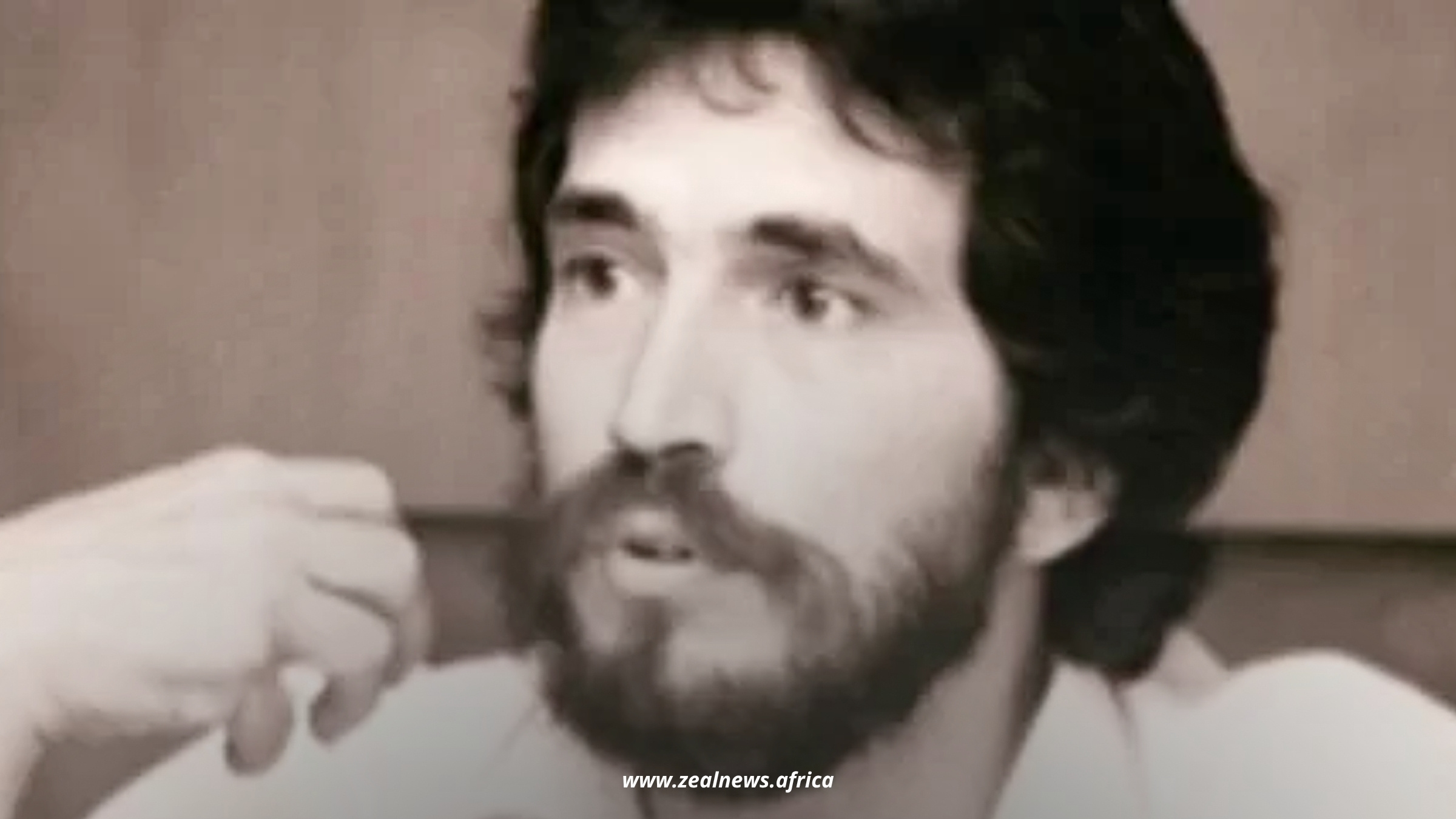
Carlos Cardoso was Mozambique's most prominent investigative journalist. In 2000, he was assassinated for exposing a $14...
Afrobeats Is No Longer Guest Music at the FIFA World Cup
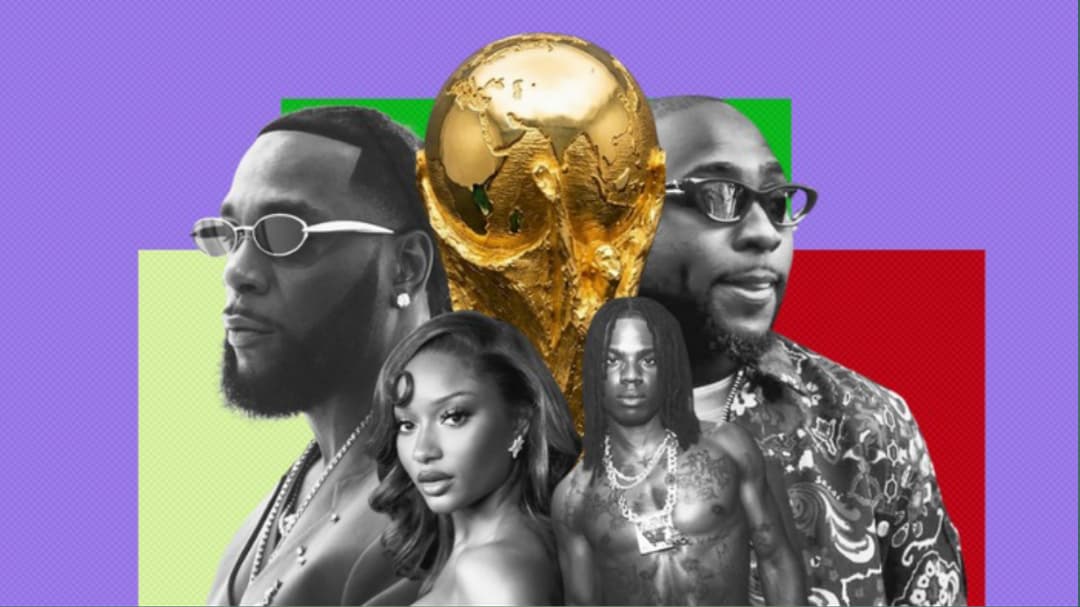
With Nigerian stars on FIFA’s official 2026 World Cup album, Afrobeats is no longer just added flavour — it is helping s...
In the Month We Talk About Men's Mental Health, Who Is Talking to African Men
Men’s Mental Health Month happens every year in June, but for many African men, vulnerability was never a language they ...
The Gen Z Socialism Syndrome: Why African Youths Remain Fixated on Socialism Despite Its Historical Failures
African Gen Z's turn toward socialist rhetoric isn't ideological ignorance — it is a rational response to 60% youth unem...
Uganda's Tourism Leaders Push for POATE Initiative to Drive Real Investments

Juliana Kagwa, CEO of the Uganda Tourism Board, urges tourism stakeholders to convert POATE 2026 connections into concre...
AI's Billion-Dollar Question: Anthropic Exec Tackles Profitability Fears Pre-IPO

AI model maker Anthropic is moving towards a public listing, confidentially filing for an IPO after securing substantial...
NNPP Fights for Electoral Justice: Demands INEC Court Judgment Compliance
The New Nigeria Peoples Party (NNPP) is urging INEC to respect court judgments concerning its leadership dispute, warnin...
ADC Challenges Wike's Power Play in Rivers 2027 Elections
The African Democratic Congress (ADC) in Rivers State has dismissed the