Zambia's Economy Under Siege: Soaring Living Costs Amidst GDP Downturn!
Zambia is facing significant economic challenges, including decreased income generation, Kwacha depreciation, and a soaring cost of living, as highlighted by economist Trevor Hambayi. Citizens like Michael Jamba recount daily struggles with expensive food and fuel, urging the government to invest in the production sector to stabilize prices and support local businesses.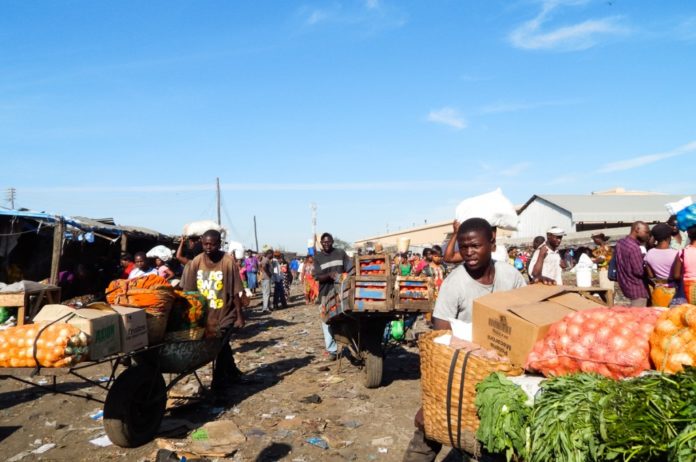
Zambia has been grappling with a significant decrease in income generation over recent years, a trend that has negatively impacted its trade against the United States Dollar. According to economist Trevor Hambayi, the nation's current income levels are considerably lower than what they were five years ago. This decline is primarily attributed to the depreciation of the Zambian Kwacha against the dollar and a concurrent rise in the dollar's value. Mr. Hambayi further elaborated that stagnant income growth has led to a noticeable decrease in the purchasing power of the Zambian currency, consequently driving up the cost of living across the country.
Hambayi emphasized the critical importance of achieving a high Gross Domestic Product (GDP) growth rate as a necessary measure to mitigate the challenges presented by the elevated cost of living. He acknowledged that the government has implemented various strategies, such as social cash transfers, free education initiatives, and the reintroduction of meal allowances, to address these issues. However, he expressed concern that these interventions primarily tackle the symptoms of the economic challenges rather than delving into and resolving their fundamental root causes, suggesting a need for more profound structural reforms.
Echoing the economic analysis with a firsthand perspective, Lusaka resident Michael Jamba lamented the severe financial strain imposed by the high cost of living. He specifically highlighted the burden of soaring fuel prices, which have a ripple effect on various other essential goods and services. Jamba pointed out that food commodities in local markets have become prohibitively expensive, making it difficult for families to afford basic necessities, including Zambia's staple food, mealie meal, and leading to widespread hunger and struggle.
In response to these struggles, Mr. Jamba urged the government to implement more effective policies aimed at substantially reducing the current high cost of living in Zambia. He offered a specific suggestion, advocating for the government to allocate greater financial resources to the production sector rather than focusing solely on providing loans to individuals. Jamba stressed the importance of supporting small businesses that possess their own production capabilities. Such support, he argued, would empower the government to intervene and supply essential commodities at more affordable prices to the populace, especially if local farmers struggle to meet market demand, thereby addressing both affordability and supply chain stability.
Ultimately, both an economic expert and an everyday citizen underscore the urgent need for Zambia to address its declining income generation, depreciating currency, and spiraling cost of living. While government interventions aimed at alleviating immediate suffering are noted, there is a strong call for strategic investments in productive sectors and fundamental policy shifts to tackle the root causes of the nation's economic vulnerabilities and ensure a more stable and affordable future for its citizens.