Youth in a Syringe: The Botox Boom Among Millennials and Gen Z
From TikTok tutorials to aesthetic clinics in Africa, Botox is no longer just for the aging. Explore how Millennials and Gen Z are embracing preventative Botox, reshaping beauty norms, and redefining what it means to grow up in the age of filters and flawless skin.
Written By: Bakare Zainab
The Pressure to Look Perfect
The camera never stops rolling. In an era dominated by TikTok, Instagram, and YouTube, where content is king and every angle is meticulously curated to perfection, Millennials and Gen Z feel constant pressure to look flawless both on and off-screen.
Elle wonders why her smile lines are so prominent, even though she is barely out of her teenage years. She is puzzled by how another 30-year-old creator seems to have paused the hands of time.
Each day, as she gazes into the mirror, she desperately tries to erase her smile lines. Then, one day while scrolling through TikTok, it clicks for her: the secret to youthful skin — Botox.
Once reserved for celebrities and middle-aged elites, Botox is now flooding the beauty market, appealing to Millennials and Gen Z who hope to freeze time and combat "invisible" wrinkles.
This previously low-key beauty procedure has become a normalised part of the skincare and beauty routines of young adults. But what exactly drives this obsession with halting the aging process?
What is Preventative Botox?

Source: Assil Eye Institute
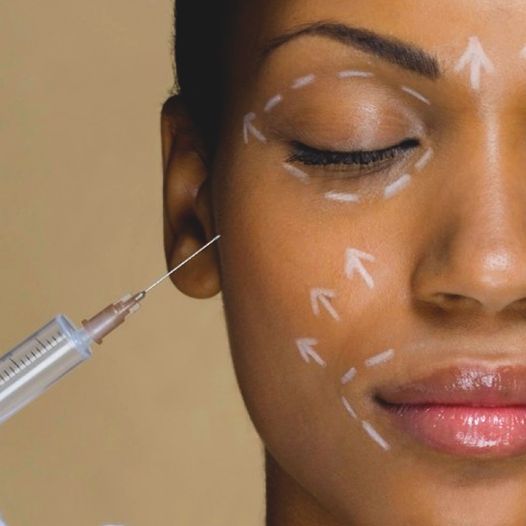
Botox, short for Botulinum Toxin, is a neurotoxic protein produced by the bacterium Clostridium botulinum. It is used to temporarily paralyze muscles and improve the appearance of fine lines and wrinkles. Originally designed to treat eye disorders and jaw-related issues, Botox has quietly transitioned into the beauty industry, serving as an anti-aging fix that doesn’t require a knife.
Once seen as a solution for those over 40, Botox is now popular among people half that age. This shift reflects a growing trend known as "preventative Botox," which is less about turning back time and more about stopping it altogether.
However, not everyone is on board with this early intervention.Dr. Chisom Ikeji, MD, in a TikTok video, strongly advised against the use of preventative Botox, stating it is unnecessary and could potentially accelerate the signs of aging once they do appear. She recommends Botox only for individuals in their 30s who have visible wrinkles and fine lines, rather than those in their 20s trying to "stay ahead" of the aging curve.
Why Are Millennials and Gen Z Embracing Botox?
At the center of the preventative Botox trend is a fear of aging, one that begins alarmingly early. Unrealistic beauty standards fuel this fear. Today, people often view themselves through screens more than mirrors, absorbing and projecting insecurities shaped by social media.
For Gen Z, aging is something to be managed or even prevented. It is not unusual to hear someone in their mid-20s casually talk about Botox like it is a regular skincare product. In a world that rewards appearance and celebrates a filtered kind of beauty, it is no surprise that Botox has become a standard part of grooming for many young people.
Social Media’s Role in Transforming Beauty Trends
If traditional media sold us unattainable beauty standards, social media took that idea and injected it into everyday life. Platforms like Instagram and TikTok are filled with Botox diaries, before-and-after reels, and influencers sharing their appointment routines like they are doing a makeup tutorial.
The rise of “baby Botox” (smaller doses with subtle effects) fits perfectly into the “clean girl aesthetic” trend. It is effortless, youthful, and polished. This transparency has erased the stigma, making Botox feel less like a secret procedure and more like a necessary investment.
Even filters play a role. Many beauty filters now mimic the effects of Botox — smoothing the forehead, lifting the brows, erasing texture. The constant comparison between your filtered face and your real one only widens the gap between what is considered “acceptable” and what is natural.

The Normalisation of Cosmetic Enhancements in Pop Culture
From reality TV stars to YouTube, Instagram and TikTok vloggers, Botox has become a rite of passage. In pop culture, it is no longer a secret confession — it is a visible, often celebrated part of the beauty routine.
We have gone from “Did she get work done?” to “What clinic does she go to?” and “Who is her doctor?” That shift matters. When cosmetic procedures are normalised, the age at which people begin to consider them naturally lowers.
A 21-year-old TikTokker identified as Abakadabra (Aba Asante) admitted to having gotten preventative Botox since she was 19. While she spoke on the effects it has on her face now, one can not seem to get past the age at which she started to “freeze time.”
Celebrities like Kim Kardashianand Ariana Grande have helped push this narrative forward, whether through confirmed or rumoured procedures. For fans, especially young women, Botox becomes less about “changing your face” and more about “preserving your brand.”
This cultural shift is even reflected in language: Botox isn’t just about aging anymore. It is about maintenance, like a haircut — just with a syringe.

Source: The Aesthetics Room
Botox in Africa: A New Frontier
While the Botox boom hit Western countries earlier, Africa is fast catching up. In urban centers like Lagos, Nairobi, and Johannesburg, aesthetic clinics are on the rise, offering everything from fillers to microneedling, and yes, Botox.
Though still expensive for many, Botox is no longer inaccessible. Social media and beauty influencers across Africa have begun to talk about it, promote it, and most importantly, normalise it.
For young Africans with global exposure and upward mobility, Botox is part of a new beauty consciousness, one that blends tradition, trend, and TikTok.
But it is not without resistance. Critics argue that the trend imports Western beauty standards and may deepen insecurities among African youth. In cultures already battling colorism and hair politics, the rise of injectable beauty adds another layer of complexity.
Where Do We Go From Here?
Botox among Millennials and Gen Z is more than a beauty trend — it is a cultural mirror. It reflects our obsession with youth, our discomfort with change, and our increasing desire to curate not just our feeds, but our faces.
Whether it is seen as empowerment or pressure depends on who you ask. For some, it is a form of self-care. For others, a symptom of a society too afraid to age.
Either way, the conversation is happening, and it challenges us to rethink what beauty, confidence, and authenticity really mean in a world where even youth is something we try to preserve.
Because at the end of the day, if every wrinkle is feared and every line erased, what stories do our faces still tell?