You Are Not the Target Audience: How Nigerian RTW Brands Use Exclusion as a Business Model
Explore how Nigerian ready-to-wear (RTW) brands use exclusion and high pricing as a business strategy, turning fashion into a class statement rather than a reflection of craft or value.
Imagine this, you are scrolling through Instagram and a dress stops you mid-scroll. It is clean, structured and it looks like something you would actually wear and not just save and fantasize about.
You go into the brand's page, find the dress, and the price hits you like a slap: N280,000. You express your disbelief in the comment section and you are hit by, “You are not our target audience”. Translation: your pocket is not full enough to buy this dress.
Now, this is not a rare experience and it is, increasingly, the defining transaction of Nigeria's ready-to-wear (RTW) fashion economy.
The economy where the price tag is less about what went into the garment and more about who it is designed to keep out. In simpler terms, the ‘luxury’ economy.
The Math Nobody Wants to Do Out Loud
A basic RTW dress, let’s say, a short bubu gown or even an A-shaped gown, should cost somewhere between N30,000 and N50,000 or even less to produce in Lagos.
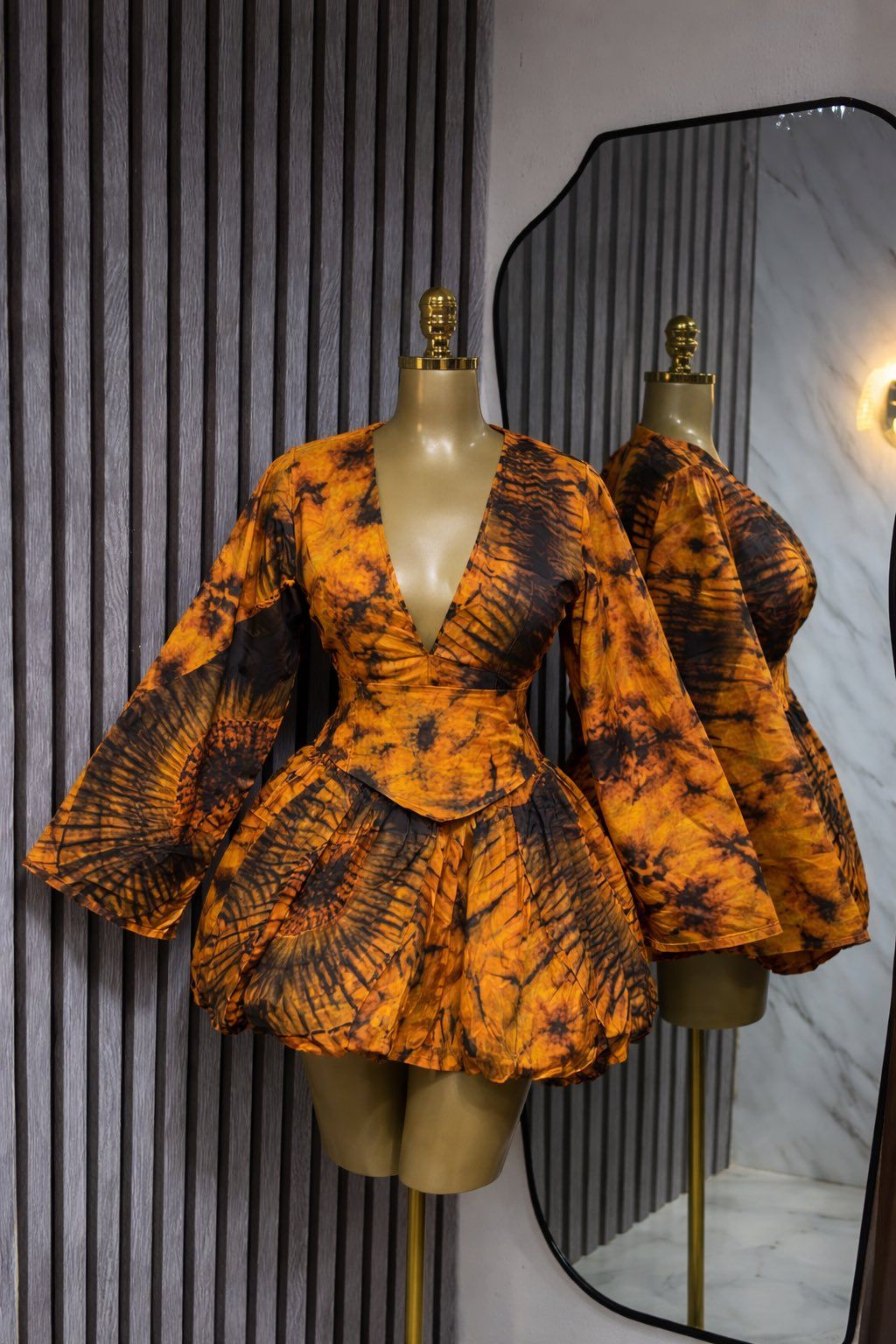
That includes the fabric, labour, finishing, packaging, and a portion of your overhead cost. Generous estimates, factoring in brand operating costs like content creation and studio space, might push it slightly higher.
Still, N280,000 is not a production cost. It is not even a reasonable markup. It is a decision, a deliberate one, to use price as a class ruler.
This is not the same as legitimate premium pricing. There are Nigerian designers whose work commands high prices because the craftsmanship is exceptional, the materials are sourced carefully, or the production runs are intentionally small. That argument has a ground.
But a significant portion of what is being sold in Nigeria's RTW space right now is not that. It is an adire dress with a native name, N300,000 price tag and a very polished Instagram grid.
Borrowing a Playbook Without the Resume
The "not our target audience" defence is borrowed from global luxury fashion and in its original context, it at least has some logic.
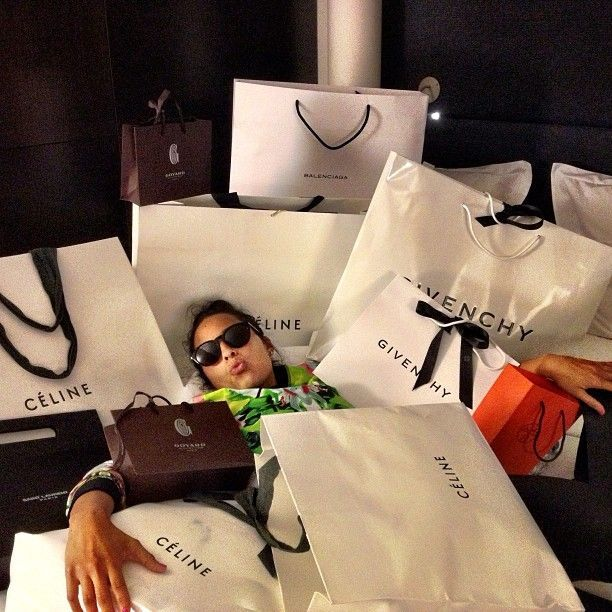
When Bottega Veneta prices a bag at $4,000, there is a century of craft reputation, Italian ateliers, and genuine scarcity behind the wall they are building. The exclusion is built on something.
Nigerian RTW brands have picked up the language of luxury without its foundations. Exclusivity has become a substitute for craft rather than a reward for it.
What is particularly pointed is the irony at the centre of this is how brands that loudly market themselves on Nigerian identity, African womanhood, and their products are priced specifically out of reach of most Nigerians.
Nigeria's minimum wage sits at N70,000 per month and even that figure is somewhat aspirational for a huge portion of the workforce.
A N300,000 dress is not an investment piece for this population. It is a message.
Why People Are Buying Anyway — And It Makes Sense
And the brands are not entirely wrong. People are buying and understanding why is more interesting than simply mocking it.
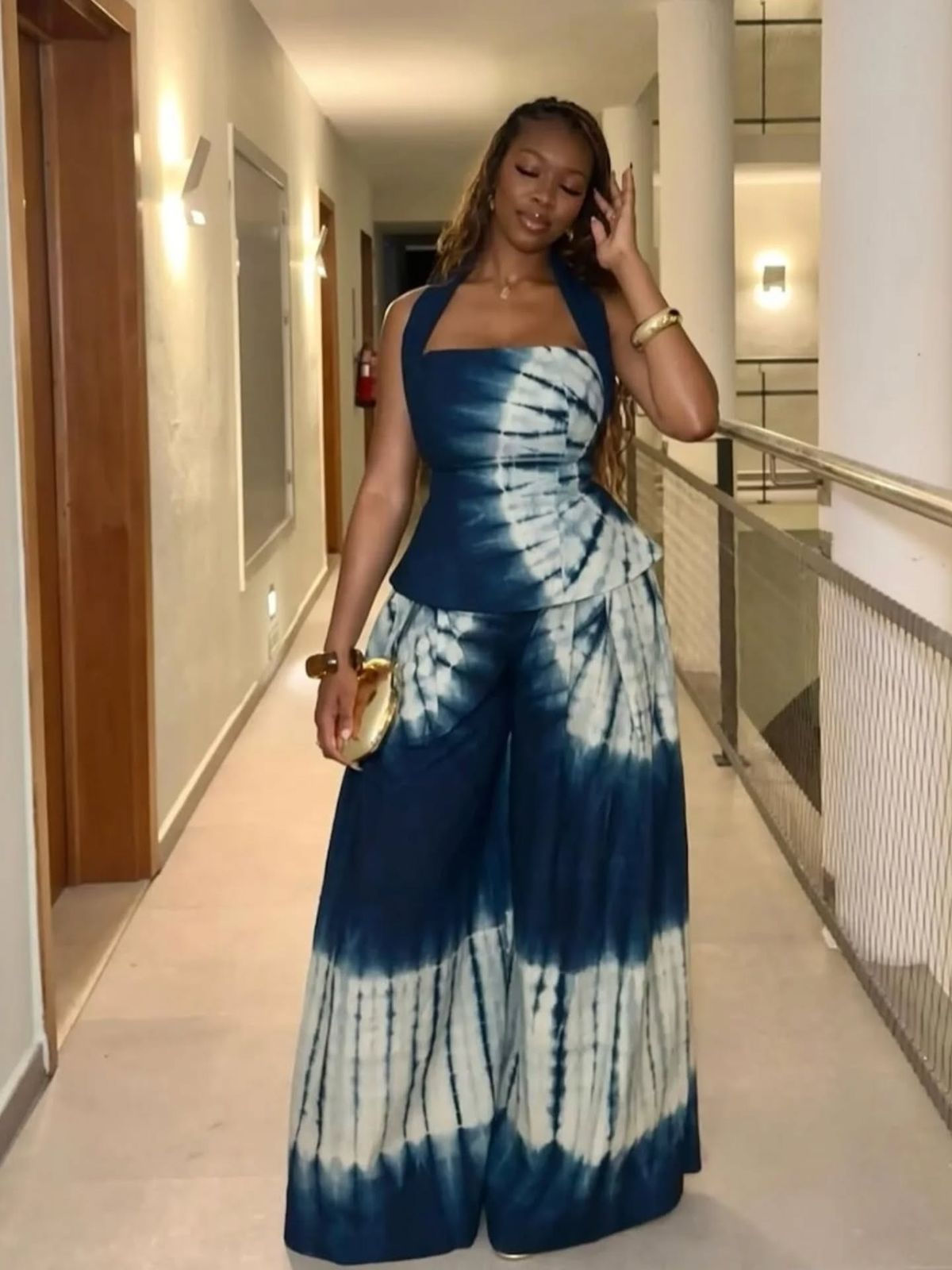
Lagos runs on a status economy, and social media is its stock exchange. In certain circles, a Nigerian RTW brand signals something that an Aba-made piece or a Zara haul cannot, not just taste, but belong to a specific, legible class.
The price is not incidental to the appeal. It is the appeal.

When the naira has been punishing and imported luxury feels increasingly out of reach, a N300,000 local dress becomes the most accessible aspirational purchase available.
The buyers are not naive. They are navigating a social system where the rules are real, even when they are unfair.
What This Quietly Breaks
The problem is genuinely structural. When extraction gets rebranded as ambition, it sets a standard for what Nigerian fashion is allowed to be.
Mid-range brands pricing fairly become invisible, unable to compete on perceived prestige. There is no critical fashion media asking hard questions about cost versus price.
There are no influencers running the numbers publicly. The vacuum means brands face no accountability, and the default moves upward: more exclusion, higher prices, smaller real audiences, larger performance of audience.
Nigeria's RTW space begins to mirror the country's wider class structure.
The Honest Ending
There is nothing wrong with premium pricing. Premium has to mean something, though. It has to be built on craft, on story, on something that holds up when you ask the question: why does this cost what it costs?

Right now, too many brands in Nigeria's RTW space don't have a real answer to that question. What they have instead is a cleaner one: you're not who this is for.
That is a business model and just not fashion.