Why You Can Suddenly Become Allergic or Intolerant to Foods You've Eaten All Your Life
Food allergies and intolerances can develop even after years of eating the same foods. Understand the differences, possible causes and how to identify them.

ou have eaten prawns for years without a problem. Then, one day, you notice that your lips are itching or your skin has developed a rash after a meal. Or maybe milk, which you have always enjoyed, now leaves you with stomach cramps and bloating.
It can be difficult to understand why a familiar food has suddenly become a problem, but there are two possible different conditions, although their symptoms can sometimes look alike.
Food Allergy or Food Intolerance?
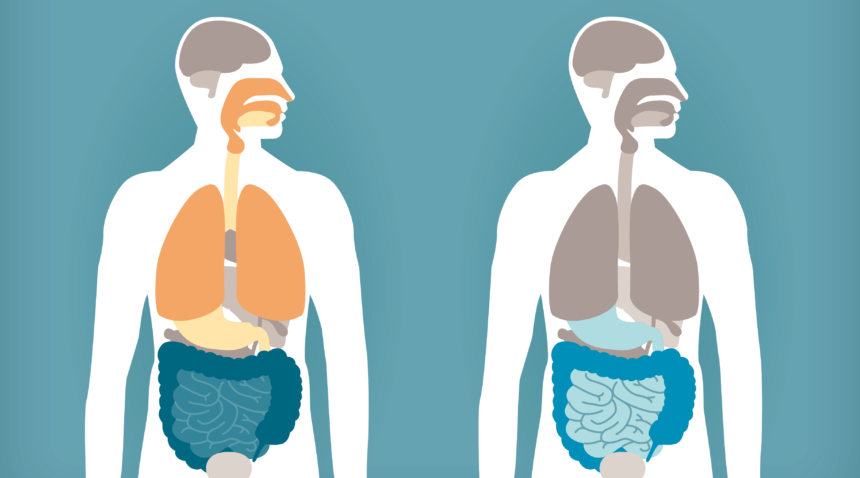
Food allergies and food intolerances are often used interchangeably but they have different reactions in the body.
A food allergy occurs when the immune system mistakenly identifies a protein in a particular food as harmful. It responds by releasing chemicals that cause an allergic reaction. Even a small amount of the food can be enough to trigger symptoms in someone with an allergy.
The reaction can affect different parts of the body. Common symptoms include itching, hives, swelling of the lips or face, vomiting, stomach pain and diarrhoea.
Some people may also experience coughing, wheezing or difficulty breathing. In severe cases, a food allergy can causeanaphylaxis, a life-threatening reaction that requires emergency medical treatment.
Common food allergens include peanuts, tree nuts, milk, eggs, fish, shellfish, soy, wheat sesame and other foods as well.
Food intolerance is different.
It usually occurs when the body has difficulty digesting a particular food or one of its components. It does not involve the immune system reacting to the food in the way it does during a typical food allergy.
Lactose intolerance is a very familiar example.
Lactose is a natural sugar found in milk and other dairy products. The body needs an enzyme called lactase to break it down during digestion.
When the small intestine does not produce enough of this enzyme, the body cannot properly digest all the lactose consumed.
The undigested lactose moves into the large intestine, where bacteria break it down. This process produces gas and fluid, which can cause bloating, stomach pain, excessive gas and diarrhoea.
Other symptoms associated with food intolerance include nausea and, in some cases, constipation.

You Suddenly Become Allergic or Intolerant to Foods You've Eaten All Your Life
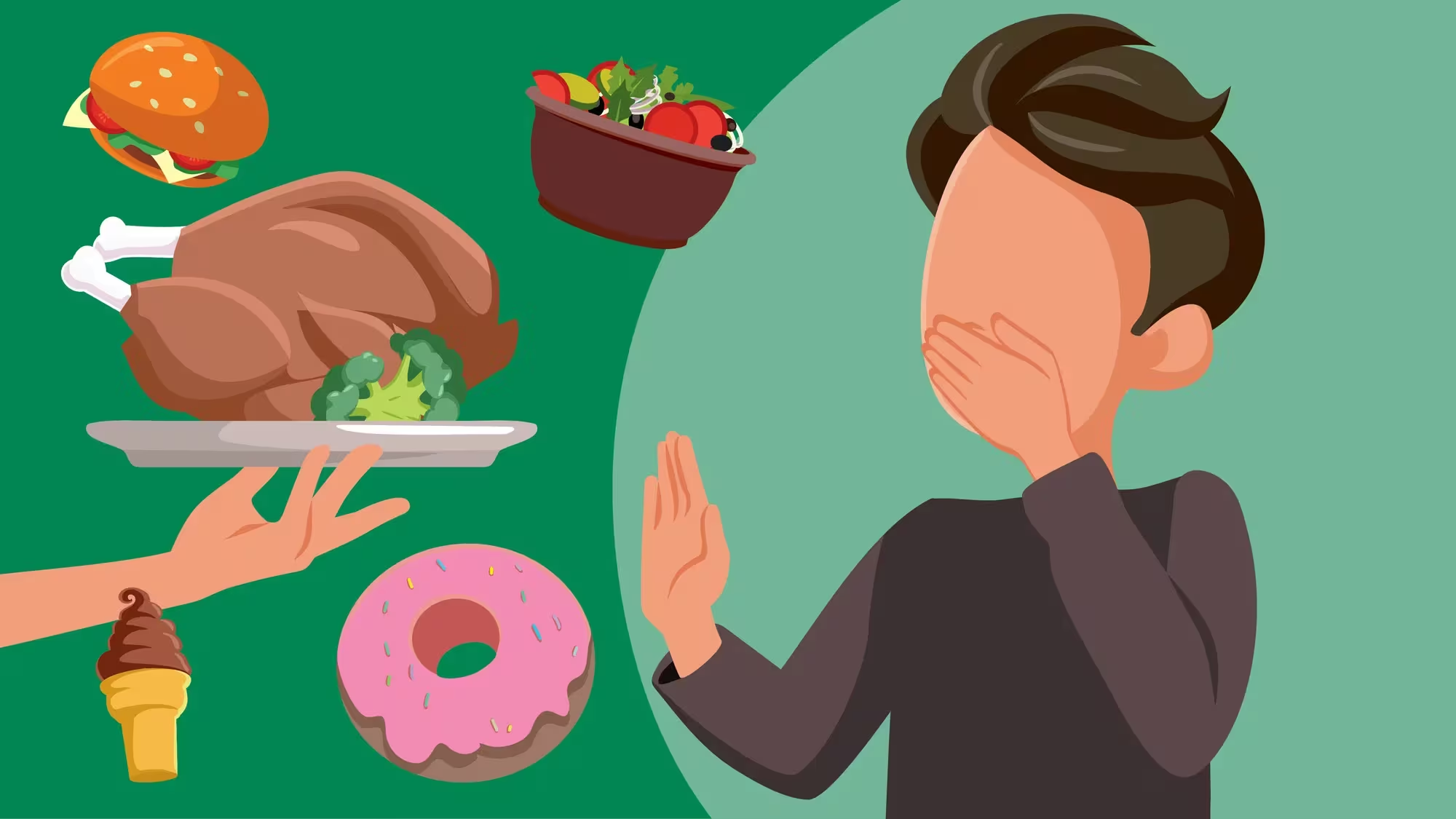
Food intolerance or allergies can emerge later in life, although the reasons are different.
Adult-onset food allergies
In these cases, the immune system has become sensitised to proteins in the food. It begins to recognise that protein as a threat and can react when the person encounters it again.
These allergies are particularly associated with certain foods, including shellfish. Prawns, crabs and lobsters.
According to theAmerican College of Allergy, Asthma and Immunology, shellfish allergies most frequently develop in adulthood, although they can occur at any age.
Pollen-food allergy syndrome.
This is another type of reaction that can appear in older children and adults. It happens when the immune system reacts to proteins in certain raw fruits, vegetables or nuts because they resemble proteins found in pollen.
It comes with itching or tingling in the mouth after eating particular raw fruits.
Genetics, existing allergic conditions and the way the immune system responds to different substances may contribute.
Food intolerance can also appear later in life, as many people naturally produce less lactase as they grow older.
The change can happen gradually, so the person may not immediately realise that their ability to digest lactose has changed.
In other cases, a health condition or injury affecting the small intestine can reduce lactase production. Intestinal infections and conditions such ascoeliac disease or Crohn's disease can damage the small intestine and interfere with its ability to digest lactose.
This is known as secondary lactose intolerance.
How Do You Know If You Have a Food Allergy or Food Intolerance?
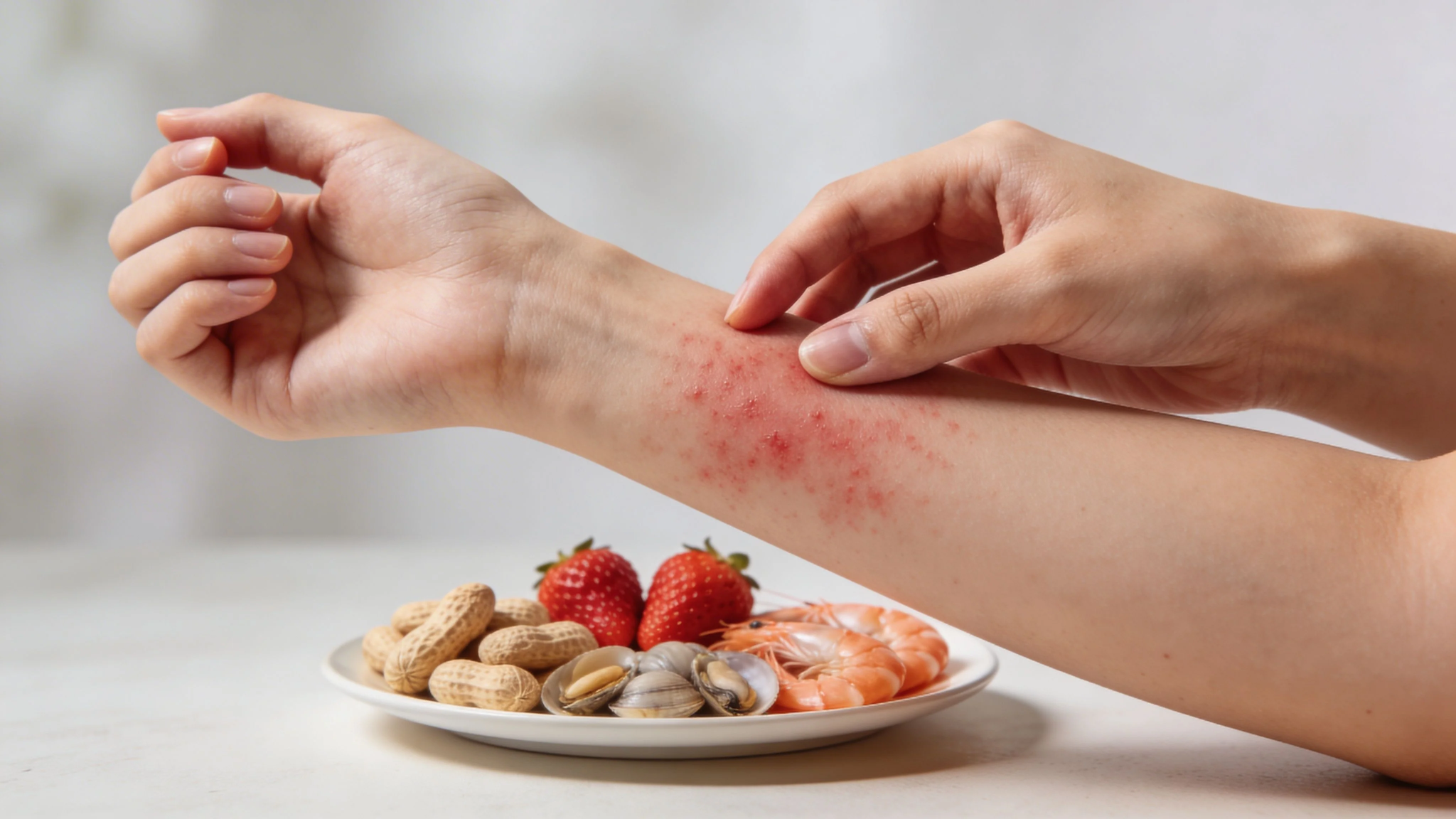
If it's an allergy, you might have skin reactions like itching and hives, swelling around the mouth and face, vomiting, or respiratory symptoms such as wheezing and difficulty breathing.
If it's intolerance, you may experience bloating, gas, stomach cramps, nausea or diarrhoea after consuming a particular food. These symptoms usually take longer to appear.
However, there is some overlap as both conditions can cause stomach pain, nausea and diarrhoea and your healthcare professional should help identify which it is.
Can You Outgrow a Food Allergy or Intolerance?
Some childhood food allergies can disappear as a child grows older. Lactose intolerance may persist, although cases caused by intestinal illness can sometimes improve when the underlying condition is treated.