Why AI Still Sounds Off When It Speaks African Languages and the Nigerian Startup Trying to Fix It
AI tools are already making music, but African languages still come out sounding slightly unnatural when they do. This piece looks at that gap through the lens of Korin AI, a Nigerian startup trying to make AI-generated music sound closer to how African languages are actually spoken.
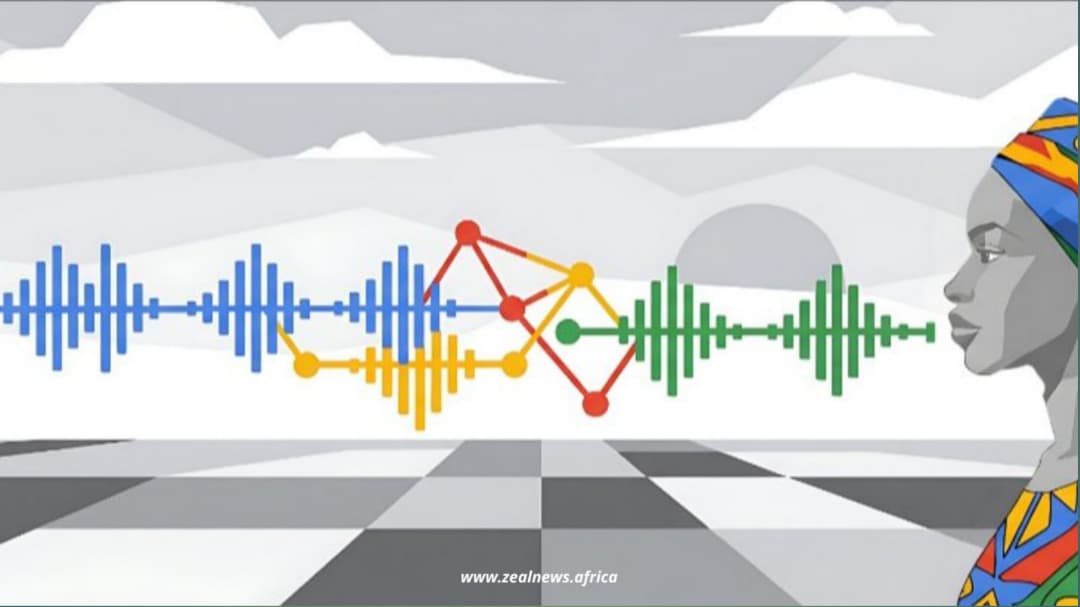
You don't need to be told when a voice is AI, you just know it.
Even in short voiceovers or simple spoken lines, something usually gives it away. The words are clear, but the sound feels slightly detached. It's smooth, but not quite human in rhythm.
In African languages, this becomes even easier to notice.
A Yoruba sentence, for example, may be pronounced correctly word by word, but the tone sits in the wrong places. It doesn't carry the same natural rise and fall you hear in everyday speech. The same happens with Igbo, Zulu, and others.
The issue is not AI music, it is what it learned from
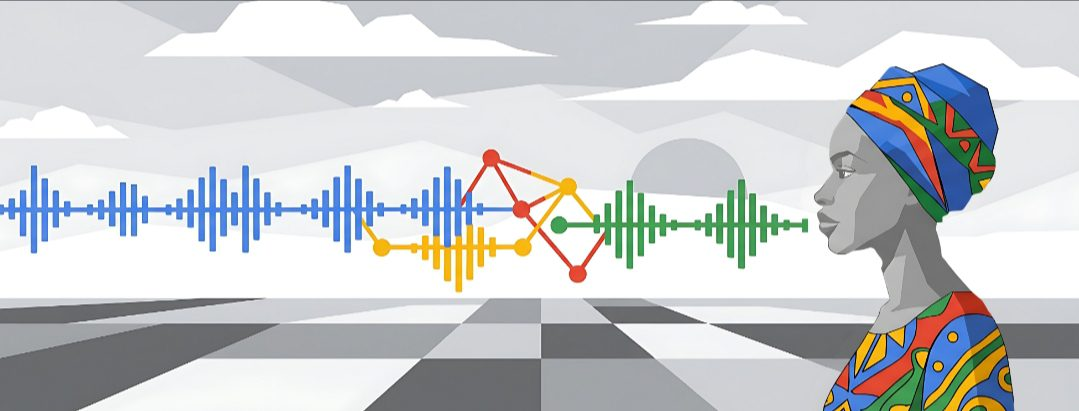
AI systems don't "understand" language the way people do, they learn from large amounts of recorded data.
The problem is that most of that data is not African.
Research published in Nature found that more than 2,000 languages spoken across Africa are being neglected in the AI era, with ChatGPT recognising only 10–20% of sentences written in Hausa, a language spoken by 94 million people in Nigeria.
So when AI tries to generate music in Yoruba or Igbo, it is not drawing from how those languages are actually spoken in daily life. It is drawing from patterns it was trained on elsewhere.
That is why the output often sounds careful, almost cautious. The pronunciation is there, but the life inside the language is missing.
For someone who speaks the language, it can feel slightly unnatural, like hearing your language spoken by someone who has only read it, not lived it.
A Lagos founder decided to build something different

In Lagos, software developer and former music producer Philip Olajide-Philips started noticing this problem from two angles.
He understood music production, the cost, the time, and how difficult it is for new artists to get into proper studios. But he also noticed that even when AI tools were used, they didn't sound local.
So he builtKorin AI.
The name comes from Yoruba, meaning "to sing." The idea was simple: build a system that can generate music using African languages without stripping them of how they actually sound.
It did not start as a big company plan. It started with testing.

He ran early experiments producing multiple short jingles in a short time. Some people who heard them assumed they came from a studio session. That reaction made him take the idea seriously.
What Korin AI is trying to change
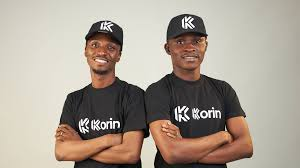
Korin AI is aimed at people who usually struggle with access like independent artists, small producers, filmmakers, and creators without expensive studio time.
In many cases, recording music professionally is slow and expensive. Even getting a clean version of a song can take repeated sessions.
The idea behind Korin is to reduce that pressure.
Instead of waiting for studio availability, creators can generate versions of a track quickly, test different ideas, and refine them faster.
It is not positioned as a replacement for artists, it is closer to a production shortcut, a way to move from idea to draft without long delays.
The deeper question is about language and ownership
There is another layer to this that goes beyond music production.
Most AI music tools today are built outside Africa. That means African languages are often added later, not built in from the beginning.
The result is predictable: the systems work, but the sound is not fully local.
Korin AI tries to approach this differently by training with licensed recordings and structured agreements with studios and artists.
The goal is to avoid pulling random audio from the internet and instead build data through consent-based sources, a contrast tohow many global AI music platforms have faced criticism for scraping artists' work without consent.
But this raises a new question.
If a system learns from African voices, who owns what comes out of it?
And how should those voices be credited or paid when used in generated music?
There are no clear answers yet.
Between speed, access, and what feels real
For Olajide-Philips, AI is not replacing musicians but changing how music is produced.
He argues that artists who use these tools will simply move faster, especially those who already struggle with access to production spaces.
But speed is not everything.
Music still depends on feeling. And feeling depends on how natural something sounds when it is heard.
That is where the debate continues.
Because even if AI makes production easier, it still has to pass a simple test: does it sound like something people actually say, or just something a system assembled?
What this really points to
Korin AI is part of a larger shift.
AI is no longer only being built for global use. It is starting to be rebuilt in local directions — shaped by language, culture, and context. Efforts like theMasakhane African Languages Hub, backed by Google.org and the Gates Foundation, are now working to fund datasets for 50 African languages, a sign that the gap is being taken seriously beyond individual startups.
The challenge is whether systems like this can keep up with how real people actually speak and create.
Because in African languages especially, sound is not just sound. It carries meaning in its tone.
And right now, AI is still learning that part.