Who Protects Us From the Police?

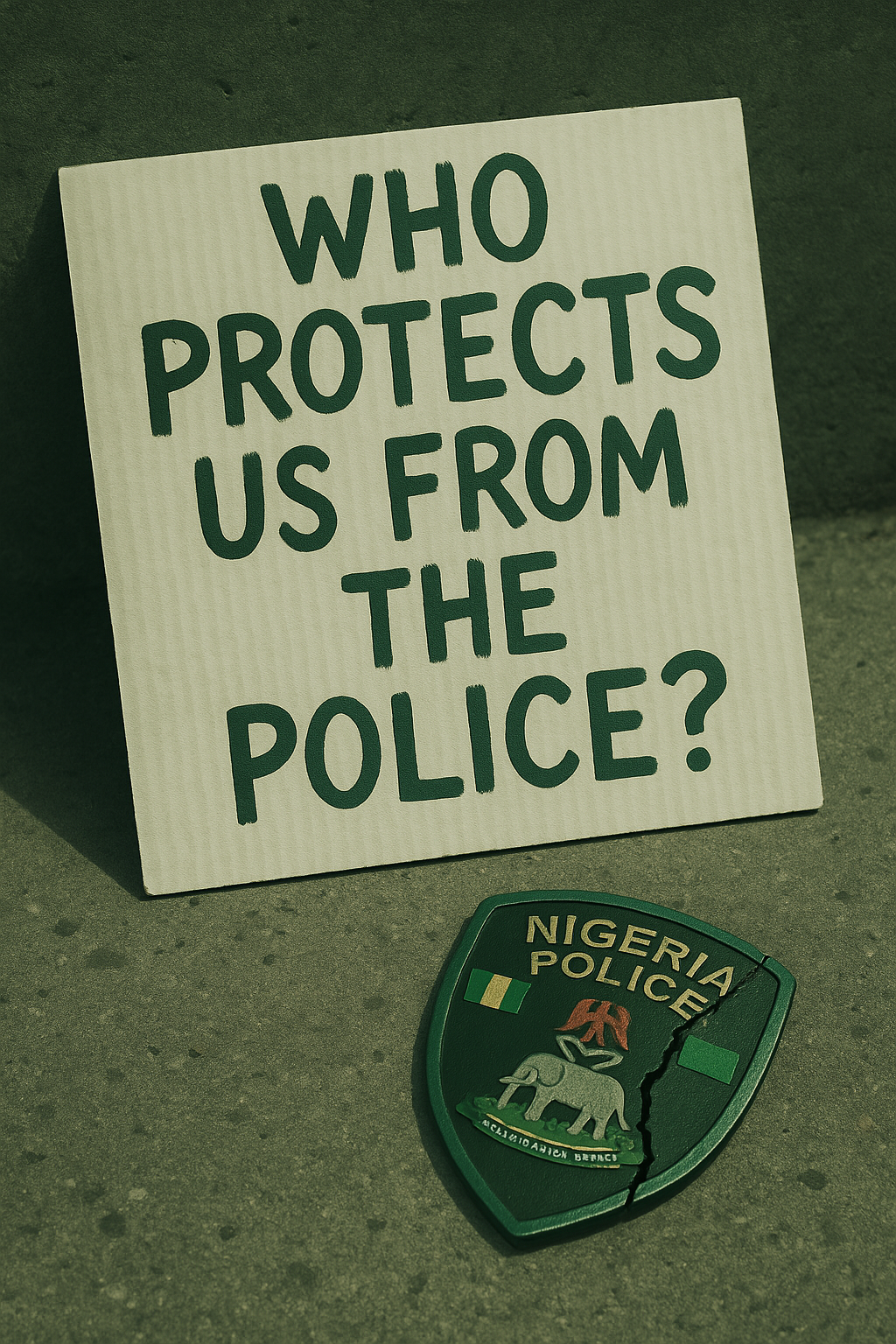
Every time we step out, we pray we don't meet thieves and that we also don’t meet the police. Sometimes we can't tell which is worse. You could be walking home from work and end up in a body bag, just because a police officer felt disrespected.
This isn’t new. It isn’t shocking anymore. That’s what makes it terrifying. In 2024, about 2000+ cases were reported on police misconduct, covering a wide range of issues, including harassment, extortion, unlawful arrests, unjust detentions, and the killing of citizens.
We’ve become a country where people fear the police more than they fear thieves. Where a simple drive at night could end with you in a ditch, bruised and broken—or worse, not found at all. The police have become both judge and executioner, with citizens caught in between uniforms and unchecked egos.
We were told things would change after #EndSARS. That there would be reforms, accountability, and human rights training. But what we got was a recycled name, a few press releases, and silence. Meanwhile, young people still disappear. Men are still slapped for speaking English. Women are still harassed at checkpoints. And every time it trends online, we rage. We cry. We beg. Then we move on—until the next name becomes a hashtag.
Police brutality in Nigeria isn’t a glitch—it’s the software. It’s coded into how power works here. You give someone a badge and a gun, but no training, no mental health support, no accountability—what do you think they’ll do?
What makes this problem so insidious is not just the violence itself, but the machinery that protects it. Police officers accused of assault are rarely punished. Internal investigations go dark. Victims are bullied into silence. And those who speak up risk becoming the next casualty.
This is not law enforcement. This is state-sanctioned terror. When citizens must record every interaction with officers to stay alive, something is deeply broken. When we pray not to encounter the police on our way home, the system has failed. We’re not just battling crime—we’re battling the people paid to stop it. We need more than anger. We need consequences.
Body cams must be mandatory, with independent access to footage. Officers found guilty of abuse must be named, tried, and dismissed publicly. Mental health support should be given to both officers and the communities they patrol. And we need to stop treating police reform as a one-time campaign. It must be an ongoing, transparent process that involves civilians, legal experts, and victims.
Until then, we will keep mourning the living. We will keep teaching our children not to look too rich, too confident, or too outspoken. We will keep writing tributes instead of testimonies.
And I ask again—who protects us from the police?