Who Are We Protecting the Girl Child From, Really?
A reflective and thought-provoking essay examining the idea of protecting the girl child, the forgotten boy child, upbringing, social conditioning, and why real protection begins with raising better humans, not fighting genders.
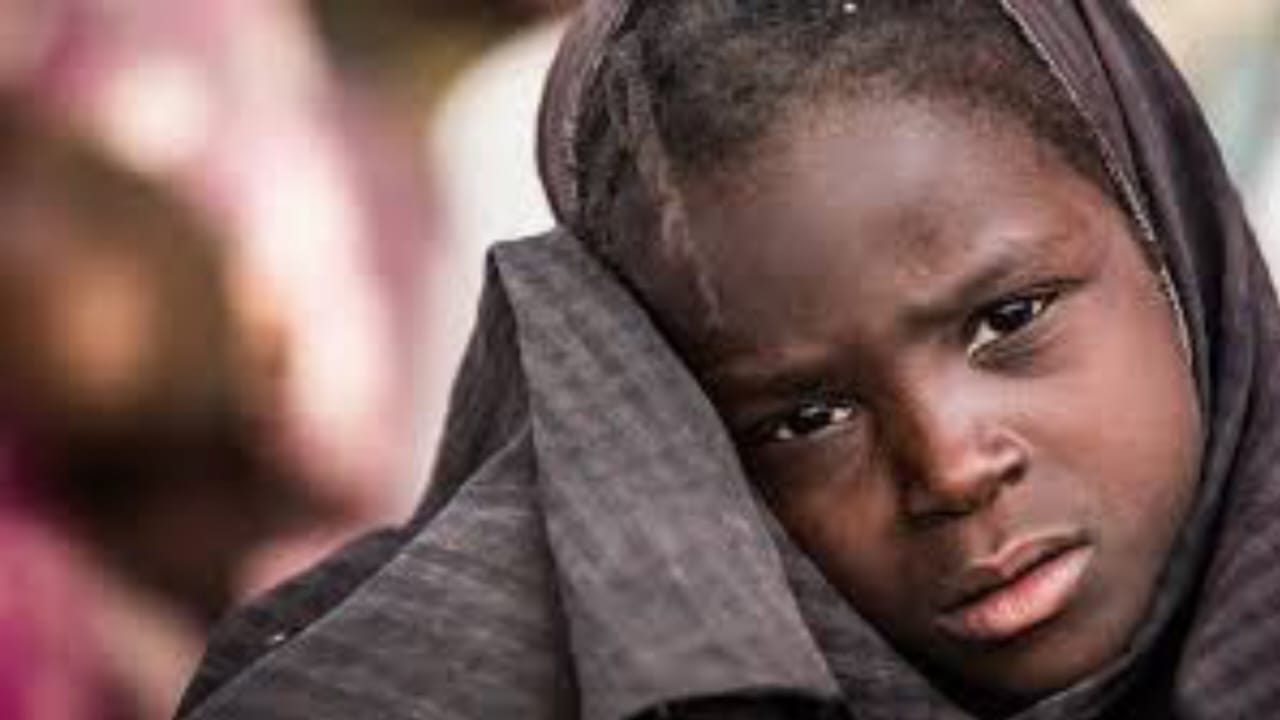
Everywhere you turn to today, there are banners, campaigns, hashtags, or a conference on matters talking about protecting the girl child. It is loud. It is necessary. It is important.
But permit me to ask an uncomfortable question.
Who exactly are we protecting her from?
Because the last time I checked, there are only two genders and before anyone born of a woman warms up for a debate, let me be clear: this is not a gender war, it is one of those men versus women content you see on social media, I don't indulge in some frivolous activity. This is something far deeper, quieter, and more unsettling.
When we say “protect the girl child,” are we protecting her from laws, systems, culture, abuse, silence, violence?
Yes, I know all of that is included.
But more importantly, are we asking who produces the danger in the first place and how?
Because while the girl child is being protected, the boy child is often being ignored and sometimes, harmed too., and no one is actually sitting down to look at the two side of the coin.
Culture
Read Between the Lines of African Society
Your Gateway to Africa's Untold Cultural Narratives.
Protection, But From What and At What Cost?
The narrative is always familiar; Protect the girl child from abusive fathers, from predators, from laws, from unfair traditions, from harmful laws, from rapists — this and many many more which are almost always described and associated with men.
And again, none of this is false, because reality has shown it time and time again but is it entirely the reality from top to bottom?

But here is the missing piece we rarely talk about: who raises these men that the girl child needs to be protected from?
Men in this case do not drop from the sky fully formed. They were once boys, boys who grew up in homes, homes that had parents, homes that were in a society.
In many cases,they were raised by their mothers. Mothers who were once girl children themselves. Mothers who knew what it means to fear, to be cautious and to be protected.
So why does the cycle continue? Why do we need to still keep protecting the girl child?
Because protection without education is incomplete and warning girls without training boys is imbalance disguised as justice.
Culture
Read Between the Lines of African Society
Your Gateway to Africa's Untold Cultural Narratives.
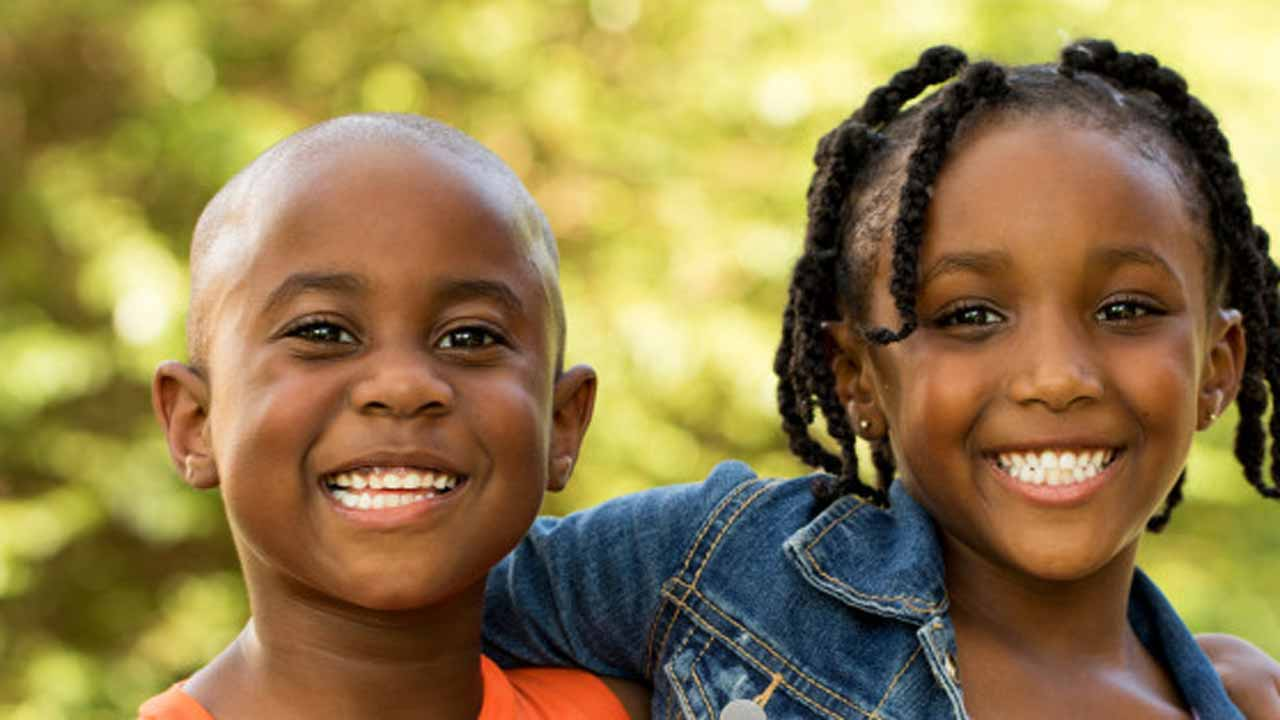
From a young age, girls are coached for survival, be careful, sit properly, dress well, don’t laugh too loud, don’t stay out late, don’t play too rough, don’t talk back, don't do this and that so you don't embarrass your future husband.
“Is this how you’ll behave in your husband’s house?” is a sentence that echoes loudly in some homes, always targeting the female to hear it and use it as a guideline for their behaviours.
But the counterpart statement to this is always missing.
Rarely do boys hear, “Is this how you’ll behave in your wife’s house?”
Girls are raised with caution and boys are raised with permission in some homes.
Girls are taught sexual purity, but boys are allowed or even encouraged by societal patterns to gain experience and the question nobody wants to answer is: gain experience with who?
Because virgins are praised, but someone must be doing the deflowering.
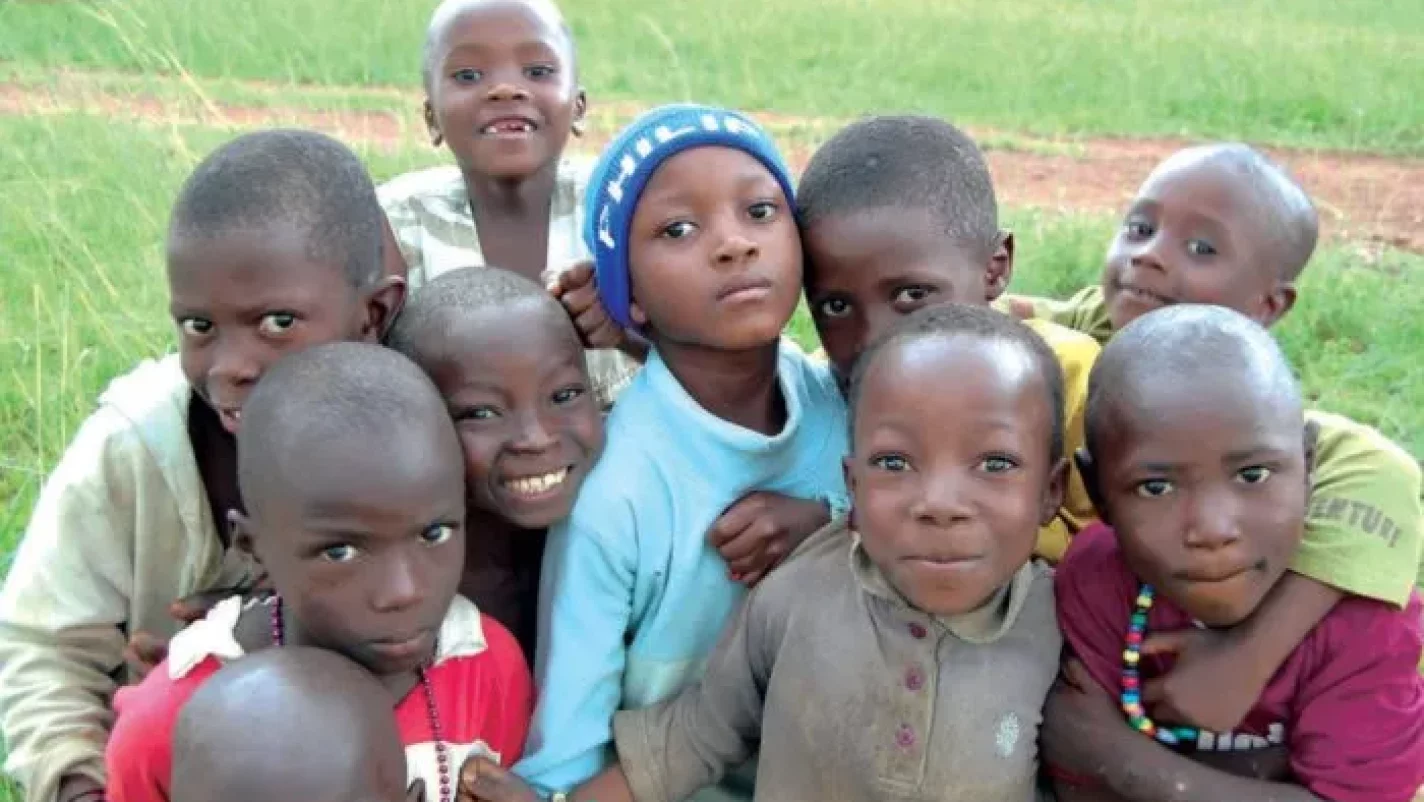
In some scenarios boys are excused from house chores, and later we wonder why some men don’t lift a finger at home to assist their wives, because the truth is; small permissions like this compound into big problems.
And after all of these small actions that compound over the years we act surprised! If I may ask, why are we surprised?
This is not about blaming mothers, fathers or guardians of children. It is about acknowledging that children learn more from patterns than from speeches. What is excused becomes normal, what is overlooked becomes acceptable, what is never corrected becomes character.
Culture
Read Between the Lines of African Society
Your Gateway to Africa's Untold Cultural Narratives.
The Boy Child We Forgot and the Damage We Normalised
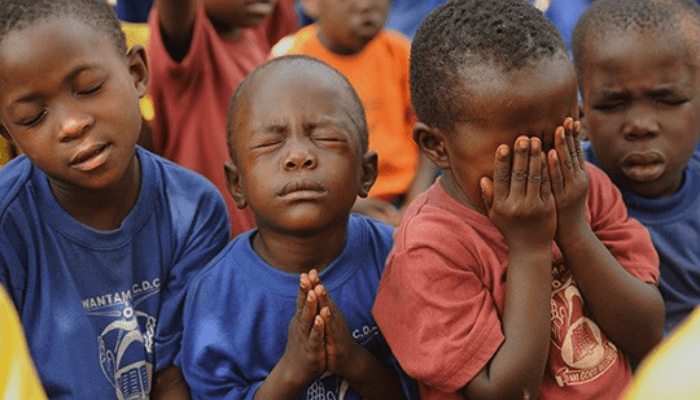
In the middle of all this protection rhetoric, the boy child has quietly disappeared.
He needs to man up and behave like his agemates.
There are no loud campaigns, no hashtags, no consistent conversations about their well being and even if there are they are not interested because they are not used to it and vulnerability to events is a sign of weakness and men are not supposed to be weak.
In all of this matter that we are talking about, boys are molested too, abused, shamed and silenced too. They are taught that crying is weakness and vulnerability is shame. Many of these boys suppress their emotions until it explodes as anger, addiction, or violence.
And when these boys grow into broken men, the society would definitely feel it and when they feel it, the society acts shocked.
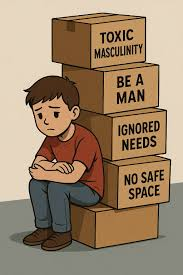
We talk endlessly about protecting girls from men, but rarely about protecting the boys from becoming the men that we are protecting the girls from.
Because prevention they say is better than cure.
Culture
Read Between the Lines of African Society
Your Gateway to Africa's Untold Cultural Narratives.
It is easier to campaign than to introspect. Easier to shout “protect the girl child” than to ask hard questions about how we raise sons. It is easier to make hashtags trends than question laws and traditions that affect the girl child.
It is all easier said than done.
This selective outrage creates resentment, not healing. It produces narratives where some people feel constantly accused and others feel constantly victimised and that tension is fertile ground for hatred.
Which brings me to a scenario I witnessed online: There was a lady who consistently posted hateful things about men. Understandably, many assumed it was as a result of her experience with some men and honestly, that assumption made sense.
Then one day, she announced that her brother had died. People congratulated her.
“One man less to deal with,” followed the post she made.
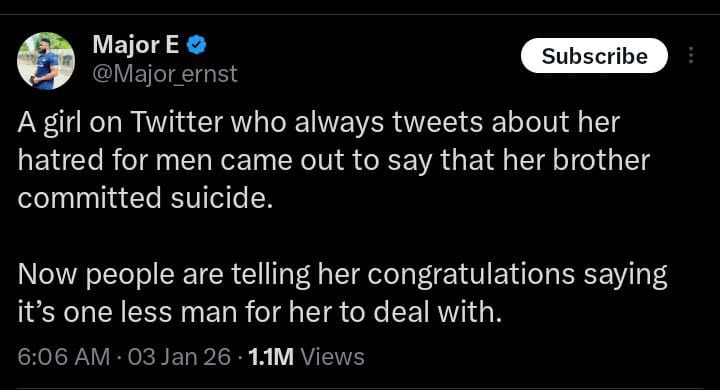
This was cruel, disturbing and lacking empathy right?
But what struck me was this: she cried deeply about her brother's death and even publicly.
So clearly, the issue here was not men.
She loved a man who was her brother and mourned him.
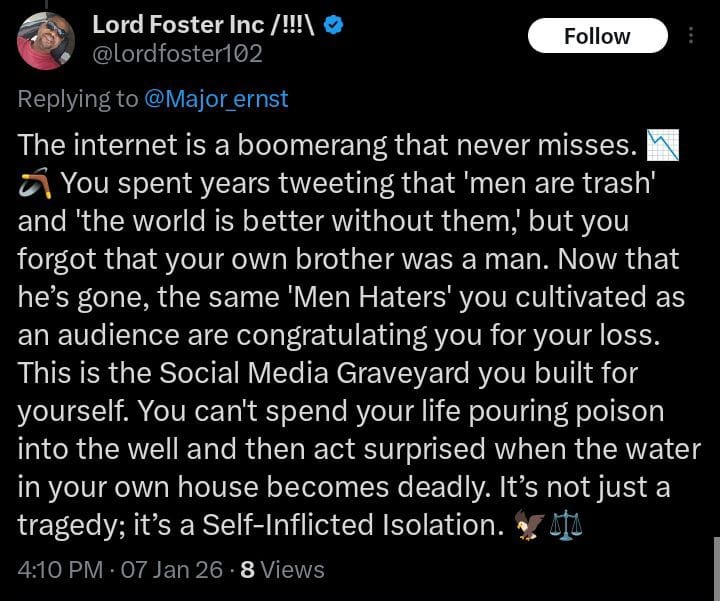
Her hatred was not biological; it was experiential. It was engineered by pain and experience, reinforced by narratives and amplified by public perception.
Culture
Read Between the Lines of African Society
Your Gateway to Africa's Untold Cultural Narratives.
It reminded me of a quote I once read: A mad man dancing on the street is only funny until it is your family member. Because pain is usually selective until it becomes personal.
Filtering the World, Not Fighting Genders
It is important to state this fact; women do not hate men and men do not hate women.
What people hate are experiences, betrayal and abuse. And when those experiences come from individuals, but the society has a bad habit of turning them into stereotypes.
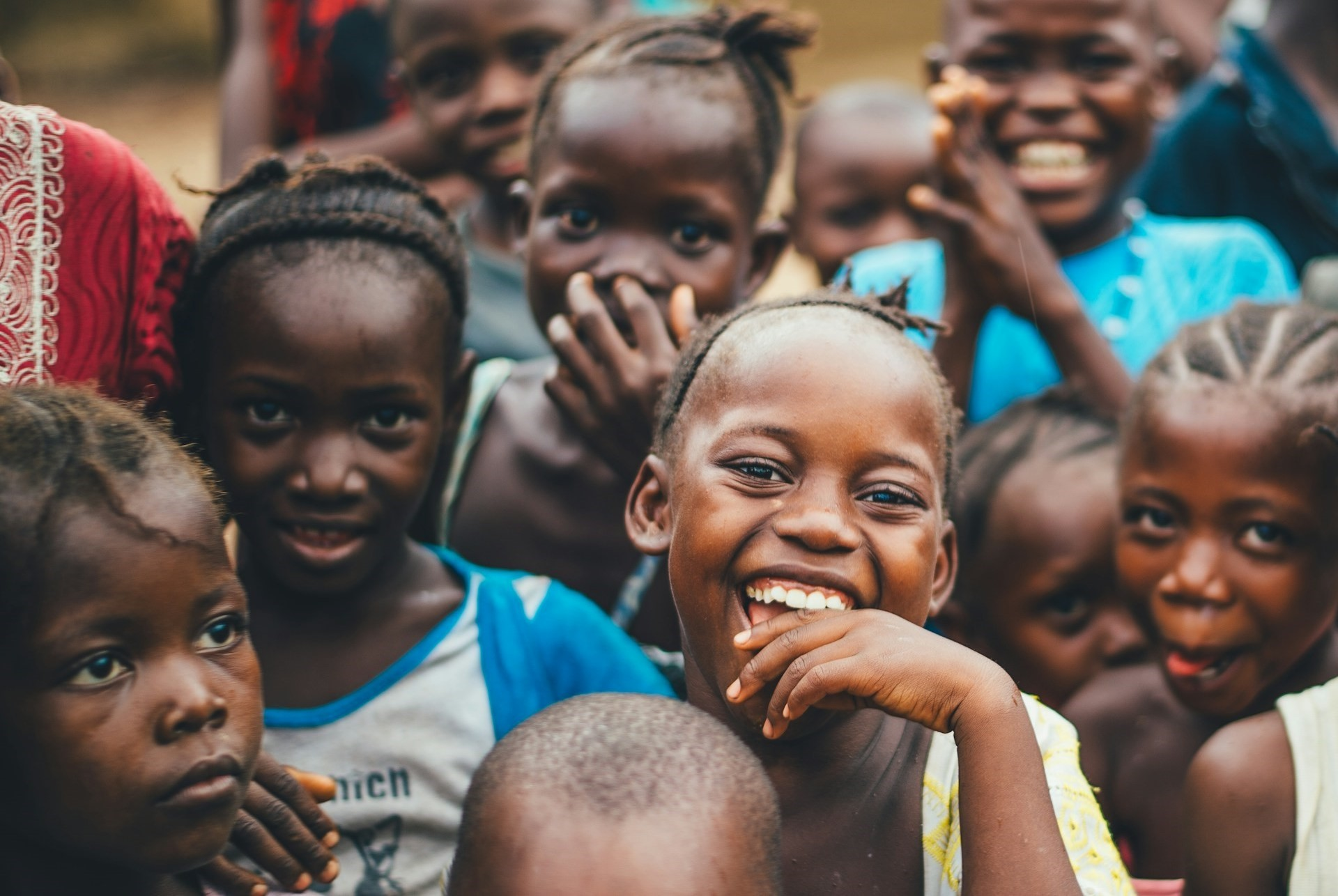
Some of those harmful individuals in this context might happen to be men. Some were raised by women, some raised in silence, some were never corrected, some were protected too much and some were ignored entirely.
This is why the conversation must shift.
The girl child does not need protection from men as a gender or anything at all. She needs protection from predators, who disguise themselves as humans and predators should meet the full wrath of the law, because harming another human being for pleasure or power is not culture; it is cruelty.
Likewise, the boy child needs guidance, accountability, emotional education, and boundaries. He needs to be taught empathy, responsibility, consent, and respect not as slogans, but as daily practice. This is social engineering in its purest form.

Upbringing is a lifelong education, neglect on either side of the coin breaks the balance.
Culture
Read Between the Lines of African Society
Your Gateway to Africa's Untold Cultural Narratives.
We do not need gender wars, we need better parenting, better systems, better conversations, better laws and better consequences for any wrongdoing that is cruel.
Because when we filter the world properly, when we raise humans instead of stereotypes, protection becomes prevention and prevention is the most powerful form of safety.