Director Jafar Panahi Unveils The Secret Behind His Oscar-Nominated Film's Haunting End
Jafar Panahi's latest clandestine film, "It Was Just an Accident," explores the moral dilemmas of former political prisoners seeking vengeance against their suspected torturer. Shot illegally in Iran, the film is a powerful commentary on resistance, justice, and the role of social cinema in challenging authoritarian rule, reflecting Panahi's philosophy and the ongoing youth-led protests in his country.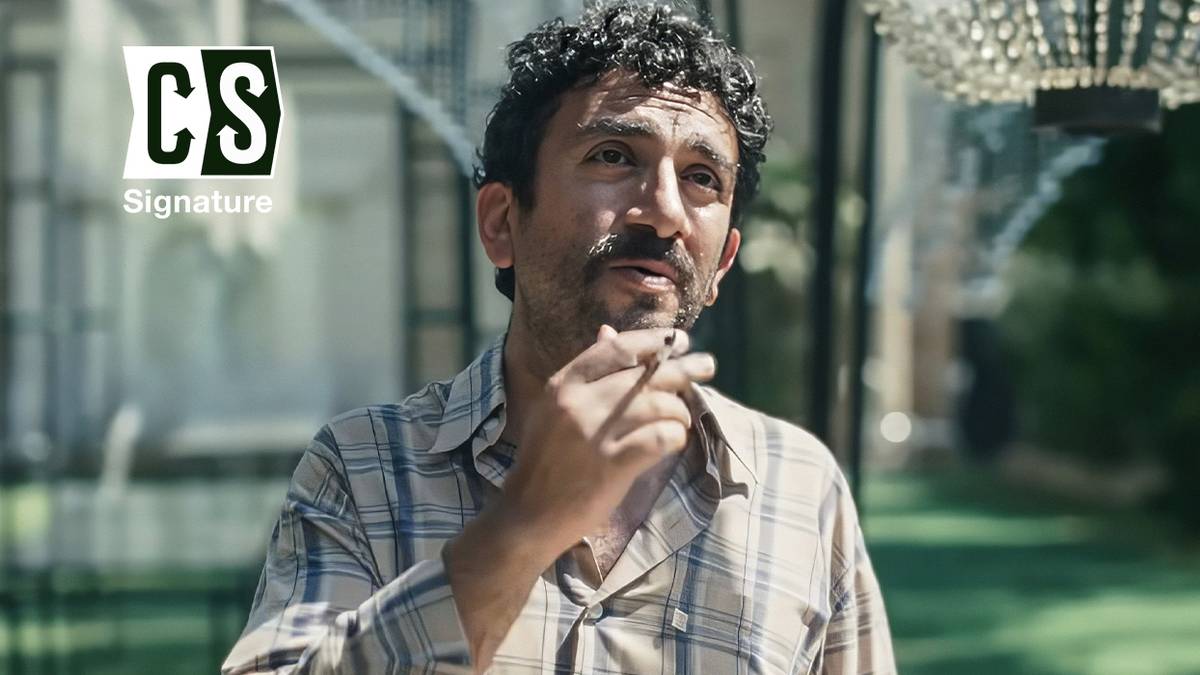
The Iranian cinema landscape is currently experiencing a significant surge, particularly in its underground and independent works, gaining substantial international recognition. This movement is highlighted by films like Mohammad Rasoulof’s "The Seed of the Sacred Fig" and Maryam Ataei and Hossein Keshavarz’s "The Friend’s House is Here," which bravely narrate stories of individuals challenging an authoritarian regime. A central and highly respected figure at the forefront of this cinematic wave is Jafar Panahi, an artist who has endured imprisonment for his protests against the government. His latest clandestine film, "It Was Just an Accident," was covertly produced in Iran with a minimal cast and crew to safeguard the high-risk endeavor’s secrecy.
This deeply personal and audacious film revolves around a group of former political prisoners, including Vahid (Vahid Mobasseri), a mechanic; Shiva (Mariam Afshari), a photographer; her ex-partner Hamid (Mohammad Ali Elyasmehr); and Goli (Hadis Pakbaten), a bride-to-be. They grapple with the profound moral dilemma of whether to seek revenge on Eghbal (Ebrahim Azizi), a man they suspect of having tortured them during their imprisonment. The narrative masterfully explores complex questions of morality, guilt, and vengeance, presenting a tale that is at once harrowing, profoundly human, and surprisingly imbued with humor.
In an interview, Panahi elaborated on the film's unique production challenges and its powerful ending, while also connecting its themes to the ongoing wave of protests in Iran. He champions a philosophy of "social filmmaking," where characters are not simply divided into good and evil, but rather portrayed as multifaceted human beings, each given the space to articulate their own perspectives. This approach is evident in scenes such as Eghbal's interrogation, where the camera meticulously frames only him, allowing him to express his thoughts, embodying Panahi’s belief in "visual justice" and equality of expression, even for those perceived as antagonists.
The clandestine nature of "It Was Just an Accident" necessitated an incredibly collaborative and dedicated team. Panahi highlighted the extreme helpfulness of every individual involved, where actors, such as Hadis Pakbaten enduring long hours in a heavy wedding dress, also managed logistical tasks like costume care to prevent the shoot from becoming public knowledge and being shut down by authorities.
Panahi intentionally eschewed graphic flashbacks to the characters’ time in prison, recognizing that explicit flashbacks can detract from realism. Instead, he crafted an atmosphere and employed dialogue, meticulously refined with the collaboration of Mehdi Mahmoudian—a former long-term prisoner renowned for his linguistic precision—to create "flashbacks" that unfold purely in the audience's mind and imagination. This reliance on evocative dialogue powerfully conveys the pain and terror of their past experiences without explicit visual depictions.
A particularly insightful element of the film, as discussed by Panahi, is the role of Eghbal's daughter. She serves as a poignant representation of youth, hope, and an increasingly aware generation unwilling to passively accept prevailing narratives. Her questioning of her mother's religious justifications for an accident, instead attributing blame directly to her father's actions, mirrors the critical and questioning stance of Iran's young generation. Panahi draws a direct parallel to the current protests in Iran, where young people are consistently at the forefront, advocating for change and bravely participating alongside their families, despite severe repercussions, including the murder of hundreds of schoolchildren.
The film's ending, initially envisioned with dialogue, was ultimately made dialogue-less by Panahi late in the editing process. This deliberate choice was made to avoid adding an unnecessary explanation and to strengthen the impact of Eghbal’s footsteps, a sound carefully established at the film's beginning. By removing dialogue and extra movements, Panahi ensured the ending remained visually and audibly stark, allowing the audience’s mind to linger on the profound implications.
Panahi also passionately spoke about the broader implications of his work, urging filmmakers and public figures with global platforms to move beyond mere solidarity and actively condemn the extreme violence perpetrated by the Iranian regime. He sees "It Was Just an Accident" as a testament to the Iranian people's rejection of violence, contrasting it with the regime's brutality. He emphasizes the universal human responsibility to speak out against such atrocities, warning that silence could invite similar injustices elsewhere. Finally, Panahi expressed his deep admiration for Iran's ancient, continuous, and diverse civilization, spanning millennia and encompassing rich literature, art, and varied regional cultures. His ultimate aspiration is for a free Iran that welcomes people from all nations to experience its profound heritage, reflecting the will of his people who desire peace and not enmity with other countries.