Water Won't Fix Everything, But It Might Fix More Than You Think
Water won’t fix everything, but it might quietly solve fatigue, headaches, dull skin, and low energy. Here is why proper hydration matters more than you think.
In the past years, we have been sold exaggerated, aesthetic versions of the benefits of drinking water. The kind of version where someone with a Stanley cup is telling you to "stay hydrated" like it is a personality trait, where influencers are crediting water for their clear skin, their energy and their entire glow-up.
Getting on the internet to see this almost daily is exhausting. And it has made a lot of people dismiss hydration as soft advice, the kind of thing people say when they have nothing real to offer.
The thing, however, is that overclaiming does not make the science wrong. Water will not cure your anxiety or fix your situationship.
What it might do is quietly solve several problems you have been treating as something else entirely.
Your Body Is Running Low and You Don't Know It
The tricky thing about dehydration is that by the time you feel thirsty, you are already behind. Thirst is not an early warning system , it is a late one.
And for a lot of the younger generation constantly living on coffee, energy drinks and the occasional glass of water they remembered to pour at 11pm, chronic mild dehydration has become a default state.
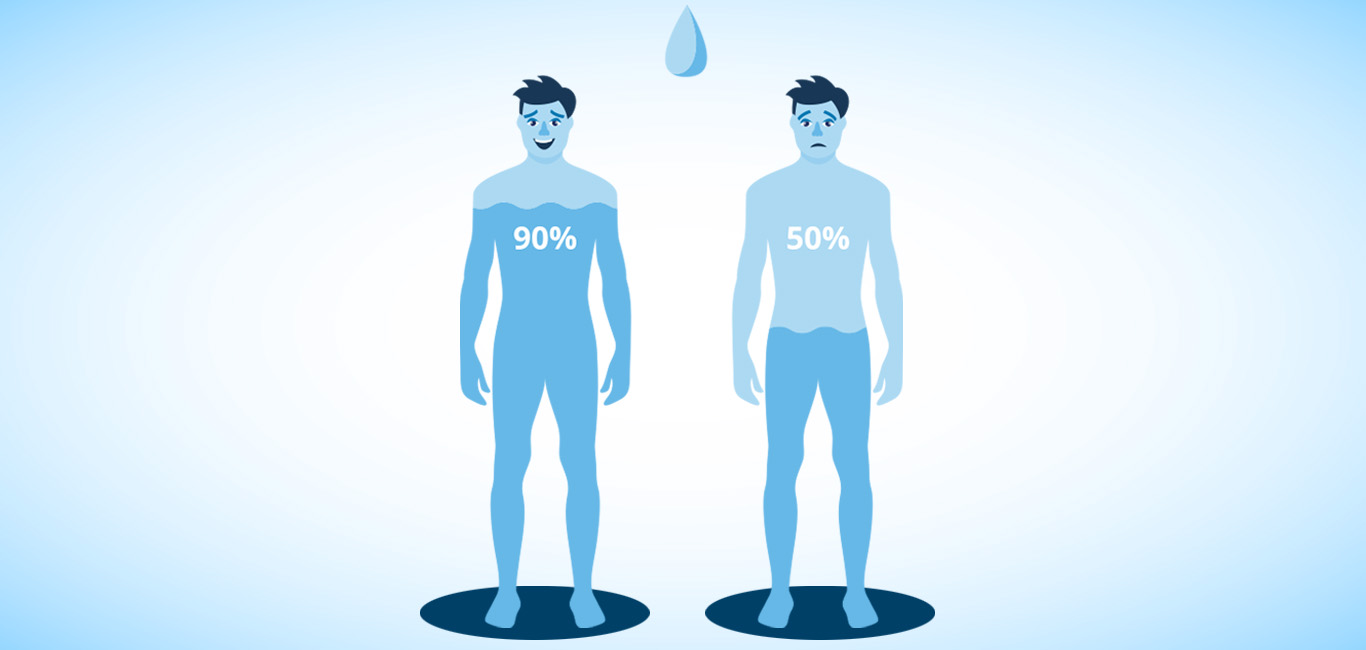
Dehydration looks like fatigue that sleep does not fully fix. Headaches that come and go without a clear reason. Difficulty concentrating, the kind where you are staring at a task and nothing is connecting.
Skin that looks dull no matter what you put on it. Digestion that is slower than it should be. Individually, these feel like separate problems. Together, they often point to the same root.
Most people treat these symptoms in circles — new supplements, new skincare, more coffee to fight the fatigue that the dehydration caused in the first place. The fix they keep skipping is the boring one.
The Nigerian Context
Living in Nigeria adds specific layers to this conversation. The heat alone is aggressive.
You are losing water through sweat in ways that someone in a temperate climate simply is not. If you are commuting, standing in queues or working in a space without consistent air conditioning, your body is working harder and losing more fluid than you are probably replacing.
Then there is the diet. Nigerian food is largely cooked which means you are not getting the passive hydration that comes from eating raw fruits and vegetables regularly. This deficit builds faster during the fasting periods.
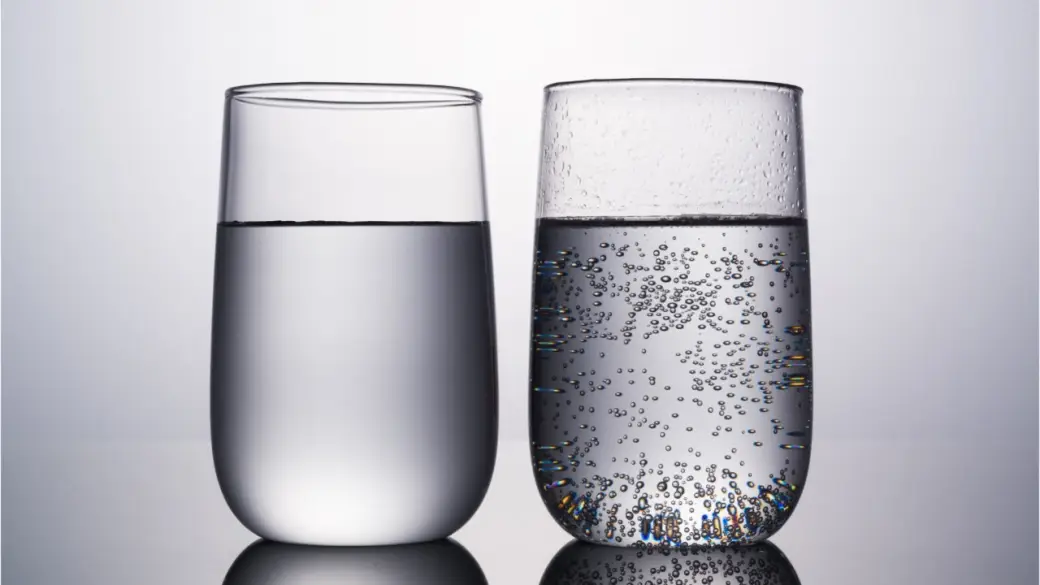
There is also a common habit of replacing water withcarbonated drinks and this is actively making things worse.
Sugary drinks do not hydrate you the way water does. Some of them, particularly the caffeinated ones, actively pull fluid from your body.
The result is a population that is probably more chronically dehydrated than it realises, treating the symptoms and ignoring the source.
Water Alone Is Not Always Enough
When you are sweating heavily or have been sick, plain water is not always sufficient.
Your body needs electrolyteslike sodium, potassium, magnesium, to actually absorb and use the fluid you are taking in. Drinking large amounts of plain water without electrolytes when you are already depleted can sometimes make things worse.
This does not mean you need to buy expensive drinks. It means you should pay more attention.
If you have been sweating a lot, adding a small amount of salt to your water, eating a banana, or drinking coconut water does more than gulping plain water alone. The goal is absorption, not just consumption.
How Much Water Should You Drink?

The "eight glasses a day" rule is a generalisation — your actual needs depend on your size, your activity level, the heat and what else you are eating and drinking.
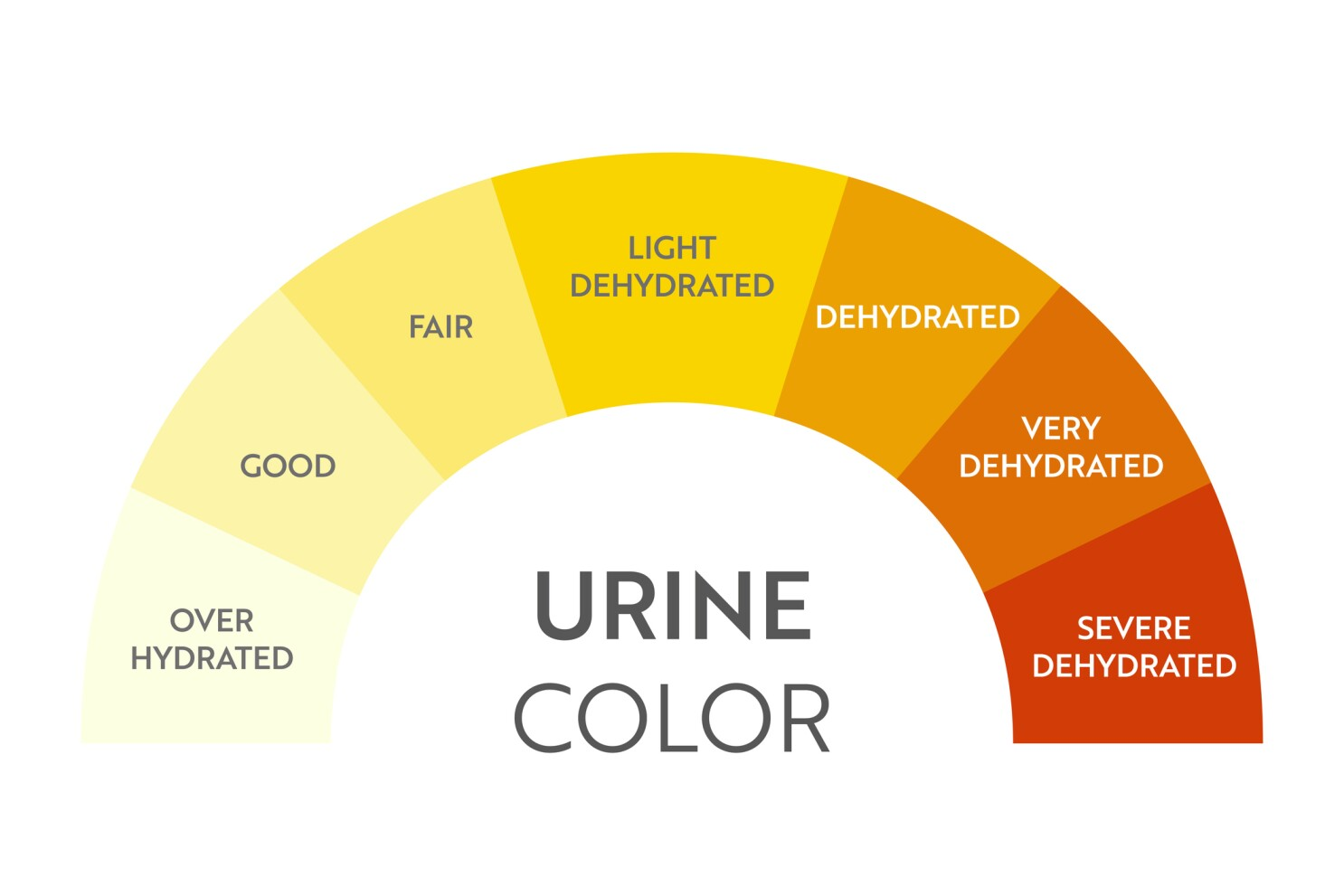
A useful, low-effort benchmark is to check your urine. Pale yellow means you are doing fine. Dark yellow or amber means you need water now. If you are rarely urinating, that is also a sign.
Some practical steps to keep hydrated include always keeping water within reach. Not in the kitchen while you are at your desk, but physically beside you.
Make it easy to default to. Set a reminder if you need to, not because hydration should be a personality trait, but because your habits are built around your environment and most Nigerian environments are not designed to remind you to drink water.
Conclusion
Water is not a miracle. It will not fix everything, and anyone who says otherwise is selling something.
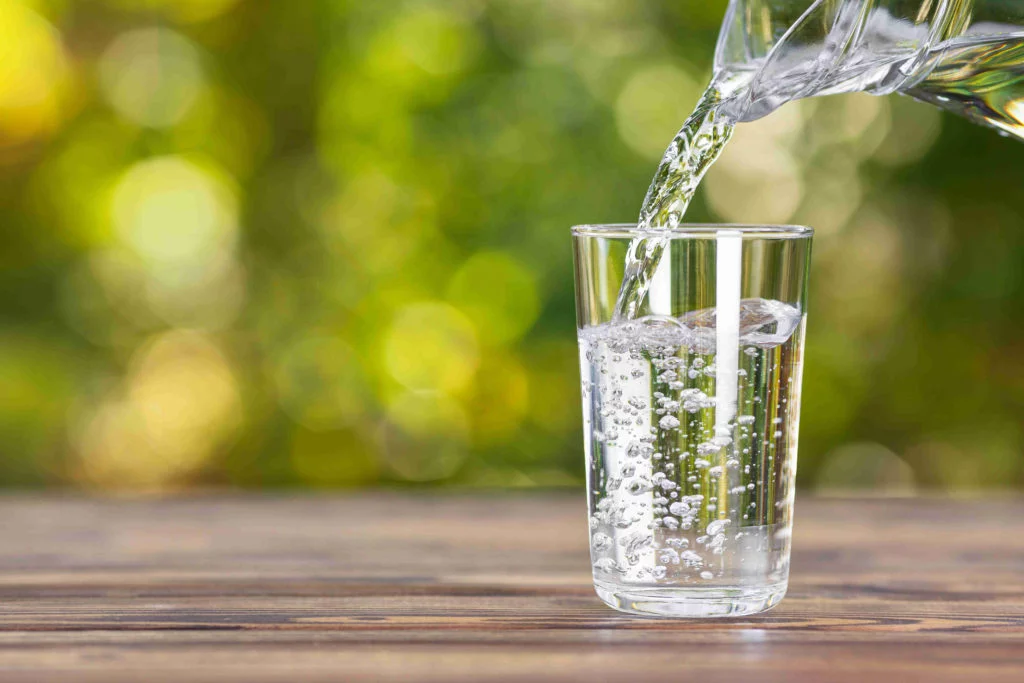
However, it is cheap, accessible, and solves a problem that a surprising number of people are medicating, supplementing and skincare-routing their way around.
Drink the water, not because it is trendy but because your body is probably asking for it and you have been ignoring the request.