The Cost of a Cure: The Forgotten Atrocity That Advanced Hepatitis Research
For fifteen years, children at Willowbrook State School were deliberately infected with hepatitis in experiments that helped advance vaccine research, exposing one of the darkest ethical failures in American medical history.
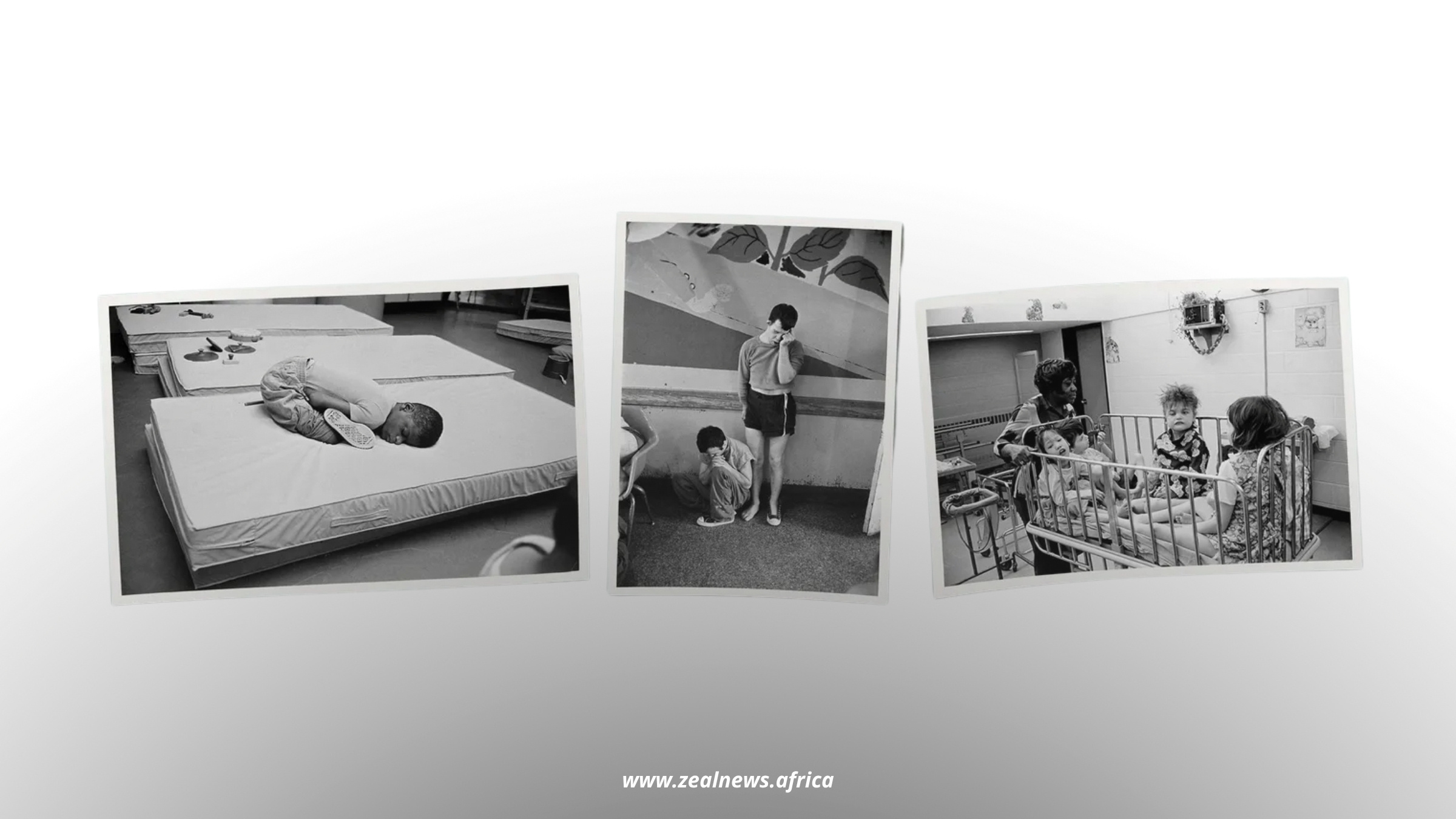
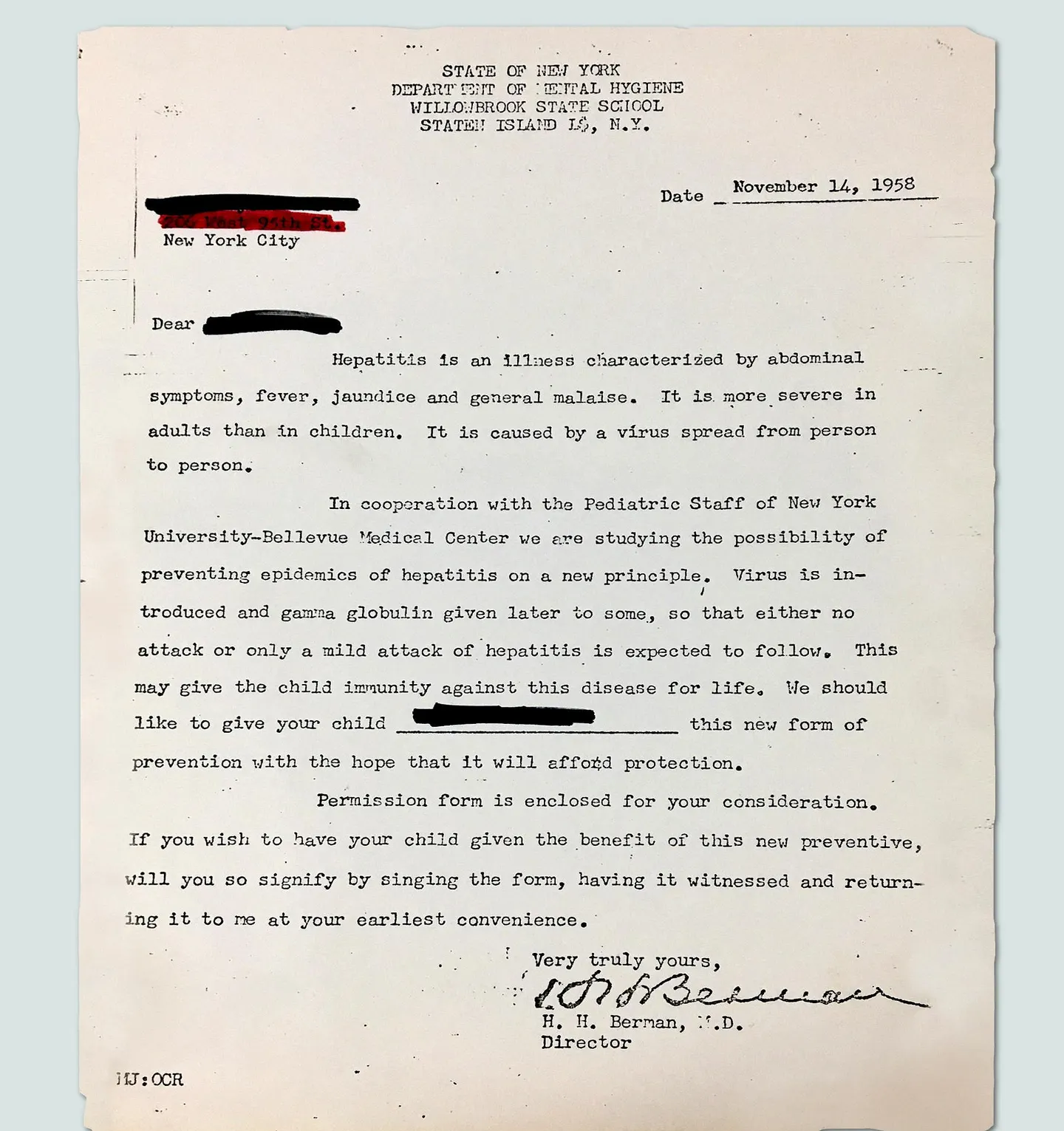
Somewhere in the paperwork of American medical history, there is a consent form. It was signed by parents who wanted their children admitted to Willowbrook State School on Staten Island, New York.
What those parents were often not told, or were told so gently it barely registered, was that signing meant agreeing to let researchers infect their child with hepatitis. Deliberately and with a milkshake.
In 1956, Dr. Saul Krugman began experimenting on children with developmental and intellectual disabilities at the state-run school, intentionally exposing new residents to the feces and serum of children who were known to have the infection, then monitoring their progress.
The milkshake detail was the delivery method.
Coercion With a Clipboard
Parents gave permission for their children to participate often because it guaranteed acceptance into the overcrowded facility. The school was so full that the only real path to admission ran straight through the hepatitis ward.
Ironically, Krugman's justification held together, on paper. Researchers argued that since hepatitis was already prevalent at Willowbrook, the children would likely contract the disease anyway.
The logic sounds almost reasonable until you sit with it long enough to process its disturbing detail. They would have gotten sick eventually is not a medical defence. It is the language people use when they have already decided that some lives matter less.
The experiments ran for fifteen years. From 1958 to 1964, Krugman conducted human testing and trials with live hepatitis virus, sponsored by the Armed Forces Epidemiological Board and approved by the New York State Department of Mental Hygiene.
This was not something done in a dark, undisclosed basement. It had institutional backing, funding and a letterhead.
What Hepatitis Actually Does
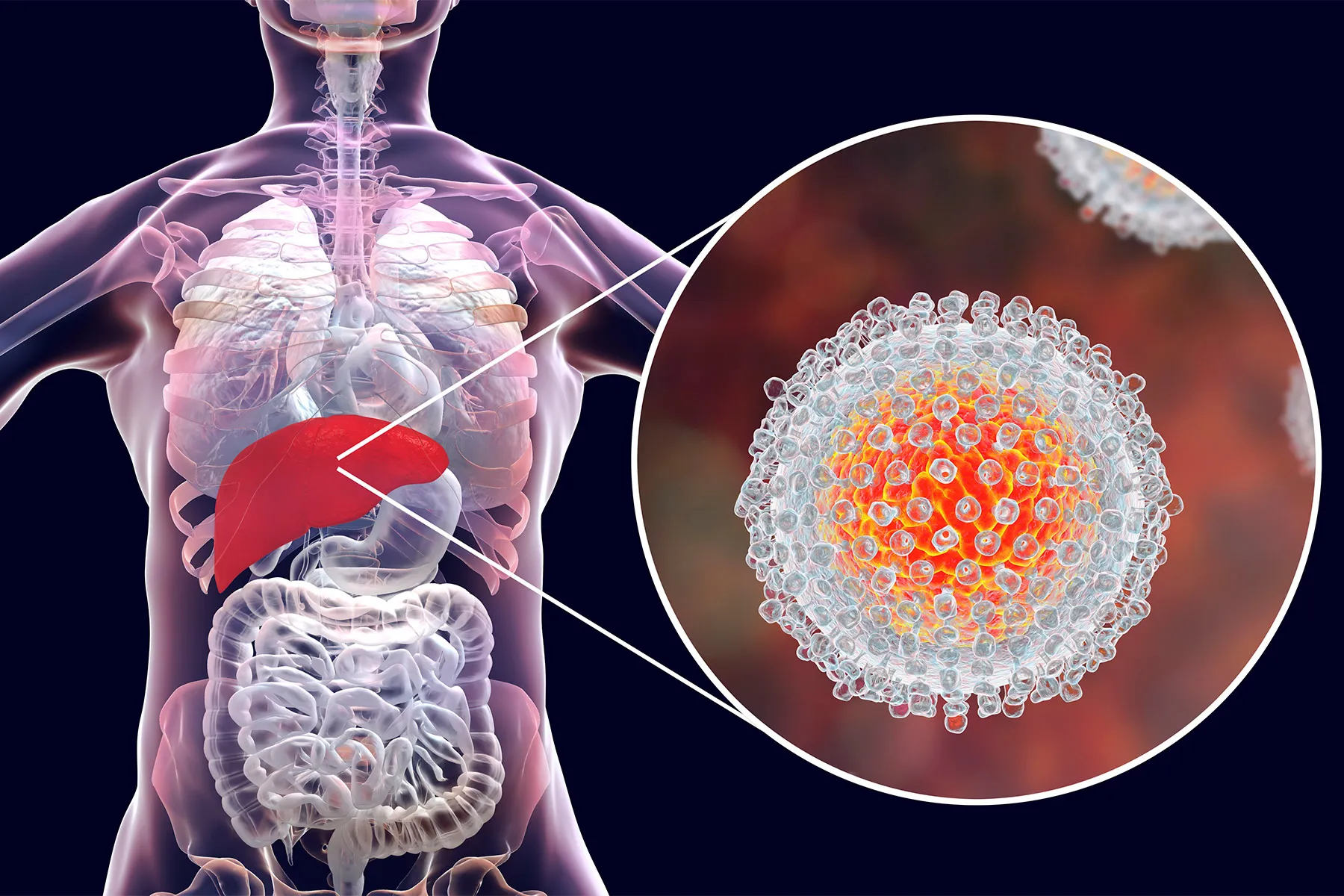
Hepatitis is an inflammation of the liver caused by viruses, alcohol, toxins, or autoimmune conditions, and its viral forms are the ones that have historically done the most damage at scale.
There are five main types: A, B, C, D, and E. Hepatitis B is the most consequential; it spreads through blood, sexual contact, and from mother to child at birth.
It can sit in the body for decades, quietly destroying liver tissue before announcing itself as cirrhosis or liver cancer.
Hepatitis B and C, responsible for95% of hepatitis-related deaths worldwide, claimed 1.34 million lives in 2024 alone. An estimated 254 million people are living with hepatitis B and 50 million with hepatitis C globally.
Every day, 3,500 people die from hepatitis B and C infections.
The Science That Came Out of It
History
Rewind the Stories that Made Africa, Africa
A Journey Through Time, Narrated with Insight.
The experiments also had, eventually, results. Krugman and his team were able to distinguish between hepatitis A and hepatitis B — though they did not use those terms at the time — and their research contributed to the development of hepatitis vaccines.
In 1970, fifteen years from the start of his study, Krugman developed a prototype of an inactivated hepatitis B vaccine. It is a serum from the plasma of those infected with hepatitis B, diluted and boiled.
Progress exists, but it is uneven. The annual number of new hepatitis B infections has dropped by 32% since 2015, and hepatitis B prevalence among children under five has decreased to 0.6%. That is the vaccine working.
That is, in part, Willowbrook's grotesque legacy at work in the world. Of the 240 million people with chronic hepatitis B in 2024, fewer than 5% are receiving treatment.
Although, access is still a prevalent problem.
What Happened to Krugman

According to celebrated vaccinologist Maurice Hilleman, the Willowbrook studies were "the most unethical medical experiments ever performed on children in the United States."
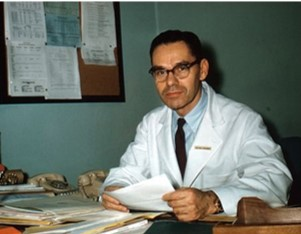
Krugman was not stripped of his reputation. He was awarded the Mary Woodard Lasker Public Service Award in 1983, one of the most prestigious honours in American medicine. He died in 1995, decorated.
The children at Willowbrook were disabled, institutionalised, and largely forgotten by a society that had already decided they were inconvenient. They were used because they were considered expendable.
The science that emerged from their suffering now protects hundreds of millions of people who will never know their names, never know that a child on Staten Island drank something terrible so that their grandchild could be born safe.
Medicine does not always come from clean hands. Knowing that does not mean you have to be comfortable with it.