War Looms: US-Iran Tensions Escalate as Drone Shot Down, Leaders Exchange Threats!
Tensions between the US and Iran are escalating following a reported drone incident near the Strait of Hormuz, amidst conflicting rhetoric from US political figures and ongoing Iranian resilience. Geopolitical shifts are also evident with India bolstering trade ties with Iran despite US pressure, while concerns grow over Israeli influence potentially drawing the US into wider conflict and warnings from US military chiefs about overstretched capabilities.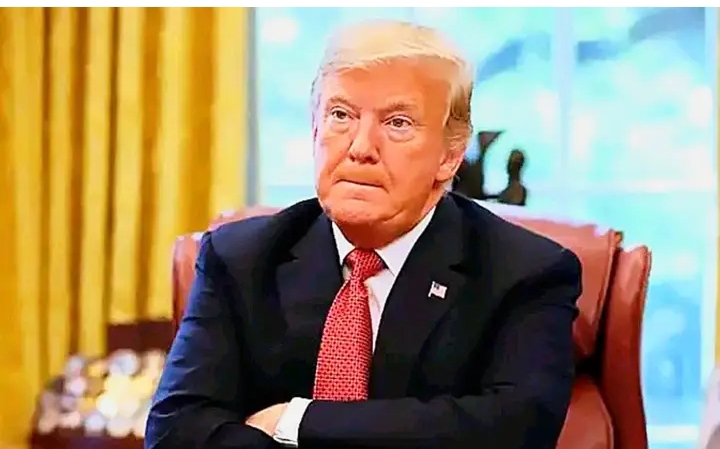
Amid escalating tensions and ongoing military activity across the region, a significant incident unfolded with the reported downing of an American drone near the strategically vital Strait of Hormuz. According to Iranian authorities, the MQ-9 Reaper drone was brought down over these waters, an assertion that, if independently confirmed by U.S. authorities, would mark a major escalation in the already fraught confrontation between Iran and the United States.
Adding to the volatile situation, a prominent U.S. political figure, on a Monday afternoon, publicly vowed a strong response to perceived actions, despite a declared stance that Iran was effectively neutralized. This rhetoric included a questioning of how one responds to a 'dead' entity, highlighting the perceived futility of sending strongly worded letters to a corpse, deploying sanctions against a ghost, or bombing an empty grave. The figure also made claims about missile interceptions, asserting that all but one were shot down, with the single exception deemed insignificant. This was coupled with the controversial use of an AI-generated video depicting Kharg Island being destroyed, an image presented without evidence of an actual attack, framing the engagement as a fight against a declared 'dead' country using a cartoon. The narrative questioned the logic of threatening to 'hit hard' a nation already declared deceased, pointing out that dead people neither feel pain nor fire missiles back, despite Iran's continued resilience over what was termed 'six months of war,' with bases still being hit and drones continuing to fall.
Concurrently, the broader geopolitical landscape revealed complex dynamics. Indian Prime Minister Narendra Modi, meeting with Iranian President Massoud Pezeshkian on the sidelines of the Shanghai Cooperation Organisation (SCO) summit in Kyrgyzstan, expressed a desire to develop and diversify trade exchanges. This commitment from India to expand relations with Tehran comes despite increasing pressure from Washington to isolate Iran economically and diplomatically. The two-day summit, bringing together world leaders including Xi Jinping and Vladimir Putin, served as a platform for Russia and China to advocate for a multipolar world order and present a united front amidst rising tensions with Western nations.
Further complicating regional dynamics, Iranian Foreign Minister Abbas Araghchi accused Israeli Prime Minister Benjamin Netanyahu of openly boasting, when speaking in Hebrew, about allegedly manipulating the United States into a war against Iran on Israel’s behalf. Araghchi detailed how Netanyahu purportedly laughs about his influence over the United States, citing over a thousand hours of appearances on American television programs. He contrasted this with Netanyahu's very different, praising tone when speaking in English about the U.S. president's leadership capabilities, calling the Israeli leader a