Bridging the Gap: How Diaspora Doctors Are Rewriting African Healthcare
Africa’s first-class doctors abroad are coming home — not with stethoscopes alone, but with startups, skills, and solutions to fix the continent’s broken healthcare.
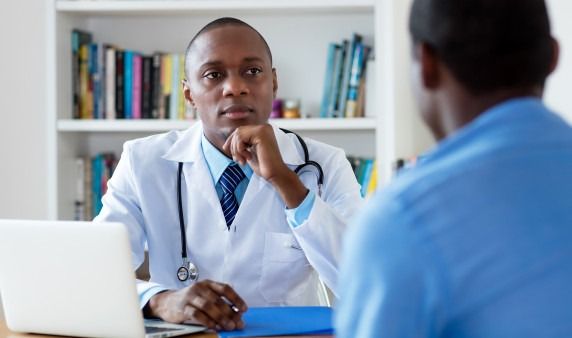
Introduction: A Tale of Two Realities
Picture this: Dr. Olufemi Alabi performs delicate heart surgeries in Houston. But every summer, he boards a plane back to Lagos — not for vacation, but to operate for free at a crowded teaching hospital with outdated equipment. “I always knew I’d come back,” he says, “even if just for a few weeks.”
While Dr. Alabi is a fictional figure, his story mirrors real-life trends. Across Europe, North America, and the Gulf, thousands of African-trained doctors serve in foreign hospitals. Yet many are now reaching back — with time, skills, money, and innovation — to repair the very healthcare systems they once left behind.
A quiet revolution is underway — led by diaspora doctors who are not just treating patients, but actively rewriting the blueprint of African healthcare.
The Brain Drain That Became Brain Gain
For decades, African nations suffered from brain drain. Medical graduates, trained at public expense, left for the UK, U.S., Canada, and other wealthier nations, seeking better pay, working conditions, and access to research opportunities.
The consequences are staggering:
Nigeria has over 16,000 doctors practicing abroad. The economic cost? An estimated $366 million annually, largely due to medical tourism and talent flight.
The doctor-to-patient ratio in Nigeria is just 3.6 doctors per 10,000 people, far below the WHO-recommended minimum of 10 per 10,000.
Zimbabwe fares worse, with only one doctor per 10,000 people, reflecting a crisis in healthcare delivery.
But the tide is turning. Diaspora doctors are returning — not always permanently, but with purpose. Their strategies combine global expertise with local impact.
1. Medical Missions That Matter
Seasonal returnees offer more than goodwill — they deliver life-saving interventions.
The Association of Nigerian Physicians in the Americas (ANPA) organizes annual missions where hundreds of Nigerian-American doctors perform surgeries, offer medical consultations, donate equipment, and provide training.
In Ghana, initiatives like Doctors in Diaspora collaborate with rural clinics to run mobile eye and dental camps, directly reaching underserved populations.
2. Telemedicine: Healing from Afar
The COVID-19 pandemic revealed the power of telemedicine — and diaspora doctors embraced it.
Mobihealth, founded by Dr. Funmi Adewara, a Nigerian-British doctor, connects African patients with diaspora doctors via an app. Supported by funding from the African Development Bank, it now operates in over 10 African countries.
In Kenya, TIBU Health, co-founded by Canadian-trained Dr. Jason Carmichael, uses mobile tech and gig-economy logistics to provide doorstep healthcare — from lab tests to vaccinations.

These platforms eliminate the need for travel, visas, or expensive overseas referrals, bringing world-class care directly to African communities.
3. Training the Next Generation
For many diaspora doctors, the most powerful legacy is knowledge transfer.
In Uganda, UK-based hematologist Dr. Henry Ddungu returns annually to train specialists at the Uganda Cancer Institute, mentoring oncologists and introducing cutting-edge protocols.
Ethiopia’s Diaspora Fellowship Program invites healthcare professionals to lecture and co-teach in medical universities, injecting global best practices into underfunded institutions.
These efforts not only raise the quality of training but also inspire the next generation of African doctors to remain and lead.

4. Building Hospitals, One Brick at a Time
Some diaspora doctors are not just visiting — they’re building.
Dr. Ola Brown (Orekunrin), trained in the UK, founded Flying Doctors Nigeria, the region’s first air ambulance service. She has since expanded into hospital development, healthcare policy, and venture capital for medical startups.
In Rwanda, Dr. Paulin Banguti, a Canada-trained psychiatrist, returned home to head national mental health reforms — including establishing community-based treatment centers.
The African Medical Centre of Excellence (AMCE), a flagship project by Afrexim Bank, will open in Abuja in June 2025. Designed to reverse medical tourism, the center will offer oncology, cardiology, and hematology services — and attract top diaspora talent.

These ventures are more than philanthropy — they’re long-term investments in African excellence.
5. Policy Influence and Global Advocacy
Diaspora doctors also hold seats at the policy table, influencing healthcare at systemic levels.
Dr. Matshidiso Moeti, a South African physician and WHO Regional Director for Africa, uses her diaspora experience to push for equitable vaccine access, pandemic preparedness, and health surveillance across the continent.
Nigerian-American physicians are increasingly engaged in health advisory roles, consulting with African governments on insurance reform, drug regulation, and emergency response planning.
Being abroad gives these doctors a dual perspective — one they often use to demand better systems back home, not from afar, but from within.
Challenges Still on the Operating Table
Despite these gains, several roadblocks remain:
Licensing and regulatory hurdles prevent many diaspora doctors from practicing immediately upon return. Revalidation processes are slow and inconsistent.
Corruption and bureaucracy still plague healthcare systems, frustrating even well-intentioned returnees.
Some critics argue that diaspora-led programs may overshadow or sideline local professionals, creating new imbalances in leadership and influence.
Diaspora Connect
Stay Connected to Home
From Lagos to London, Accra to Atlanta - We Cover It All.
A Quiet Return, A Loud Impact
Across Africa, the fingerprints of diaspora doctors are subtly yet powerfully reshaping healthcare. From rural clinics to national policy rooms, from mobile apps to air ambulances — these doctors are doing more than “giving back.” They are giving forward.
Their message is clear: Africa’s health crisis won’t be solved by charity or pity, but by Africans — wherever they are — choosing to come back and build.
From Loss to Leadership
Once seen as lost assets, Africa’s diaspora doctors are proving to be agents of transformation — stitching broken systems, one initiative at a time. And as their numbers grow, so does the possibility that Africa’s health future may not lie abroad, but in the hands of those who left — and returned to heal.