Uncovered: The Shocking Truth Behind That Pool Smell
The familiar chlorine smell in swimming pools is often misunderstood; it actually signifies the interaction of chlorine with bodily fluids and organic compounds, forming chloramines. A strong odor suggests dirty water, not just chlorine, and can lead to skin and eye irritation. Properly treated pools should have minimal smell, indicating effective disinfection.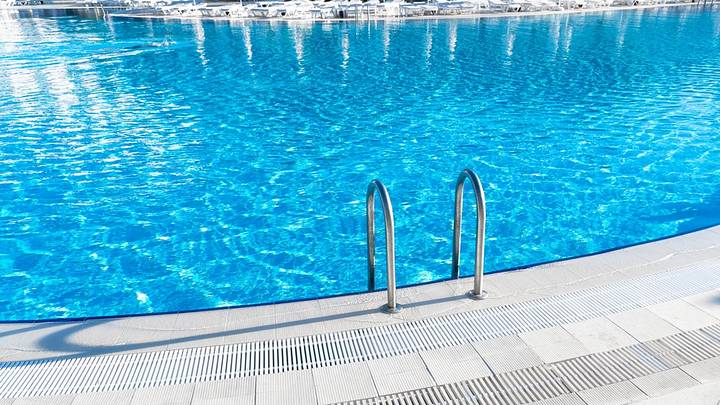
Many people associate the distinct chemical smell of swimming pools with chlorine itself, assuming it simply indicates the presence of the disinfectant. However, this common assumption is only partially true. The strong odor we often attribute to chlorine is, in fact, primarily a result of the chemical's interaction with organic bodily fluids and compounds such as sweat, body oils, cosmetics, and potentially urine. Ideally, a properly chlorinated pool should not have an overpowering chlorine smell; if it does, it often signals an issue with water quality.
Chlorine, represented by the symbol Cl and atomic number 17, is a crucial chemical element renowned for its reactive properties. When introduced into pool water, chlorine transforms into hypochlorous acid, a potent disinfectant. This acid is highly effective at neutralizing a wide range of harmful microorganisms, including bacteria, viruses, pathogens, and algae, thereby ensuring the water is safe for swimmers.
The science behind the smell lies in chlorine's function beyond disinfection. As chlorine enters the water, it releases both hypochlorous acid and hypochlorite ion, collectively known as “free available chlorine.” These chemicals work to oxidize organic compounds that enter the pool, such as those from human bodies. In clean water, free available chlorine efficiently eliminates contaminants. However, when hypochlorous acid encounters ammonia, a component found in sweat and urine, it forms chloramines, or “combined chlorine.” It is these chloramines that are responsible for the pungent, often irritating smell we typically identify as a “chlorine smell.”
High concentrations of chloramines indicate that the pool water is excessively dirty and has a high level of contaminants. Such conditions can lead to discomforts like red eyes and skin irritation, and in cases of prolonged indoor exposure, have been linked to respiratory issues such as asthma. Therefore, an overwhelming chlorine odor serves as a strong indicator that the pool water is not as clean as it should be.
If you own a pool and notice a persistent, strong chlorine smell, it suggests that additional sanitation measures are required. Addressing this can involve enhanced cleaning routines or the application of shock treatments. These treatments involve adding specific products to the pool water designed to break down and eliminate chloramines, thereby restoring the water's balance and reducing the unpleasant odor, while also improving overall water hygiene.