South Africa Just Secured $500 Million to Fix City Services. What Will It Change?
South Africa's biggest cities are losing huge amounts of water and electricity while struggling with ageing infrastructure. The new funding comes with targets that could expose how well they are really being managed.
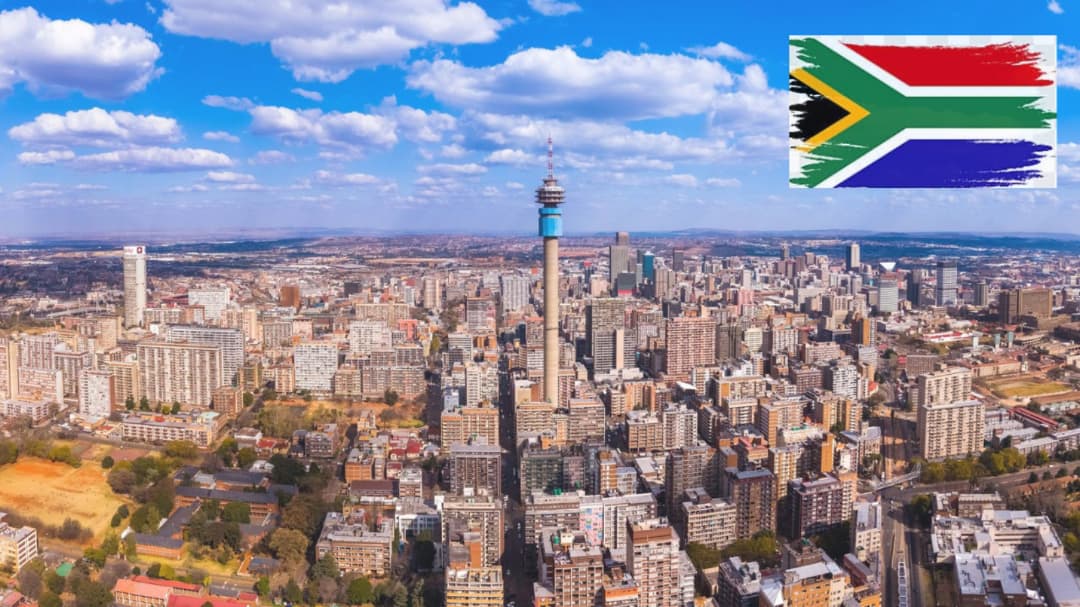
South Africa has secured US$500 million from the Asian Infrastructure Investment Bank (AIIB) for a programme covering water, sanitation, electricity and waste services in its major cities.
The financing wassigned on August 7, 2026, marking AIIB's first investment in South Africa.
The money is going into the South Africa Metro Trading Services Program, which covers the country's eight metropolitan municipalities.
About 22 million people live in these metros, which together account for roughly 85% of South Africa's economic output. Their service problems therefore reach well beyond individual households.
Eight Metros, A Lot to Fix
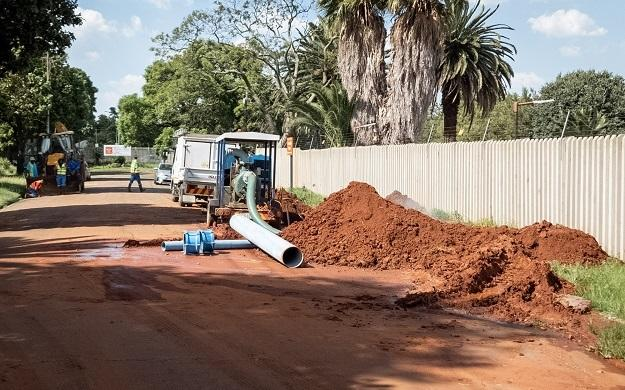
The programme covers Buffalo City, Cape Town, Ekurhuleni, Johannesburg, Tshwane, eThekwini, Mangaung and Nelson Mandela Bay.
Many of these cities are dealing with ageing infrastructure, weak maintenance, financial problems and unreliable service delivery.
Water gives a clear picture of the challenge.
About 41% of water entering the metropolitan systems is classified as non-revenue water. Some is lost through leaks and bursts. Some never generates revenue because of illegal connections, inaccurate metering or problems with billing and collection.
So municipalities can spend money producing and distributing water without recovering the full value of what they put into the system.
Electricity has a similar efficiency problem. About 22% of electricity is lost within the metropolitan systems through technical and commercial losses.
There is also the question of what happens to the revenue cities do collect.
At the launch of the reform in March,National Treasury Director-General Duncan Pieterse pointed to Johannesburg and eThekwini.
Johannesburg's 2025/26 budget projected R11.9 billion in water revenue, but allocated R1.3 billion to water infrastructure. In eThekwini, about R22 billion was expected from electricity charges, against R784 million for planned electricity infrastructure spending.
The figures show why the reform is looking at how cities manage and maintain these services, not just at building new ones.
Climate Is Part of the Same Problem
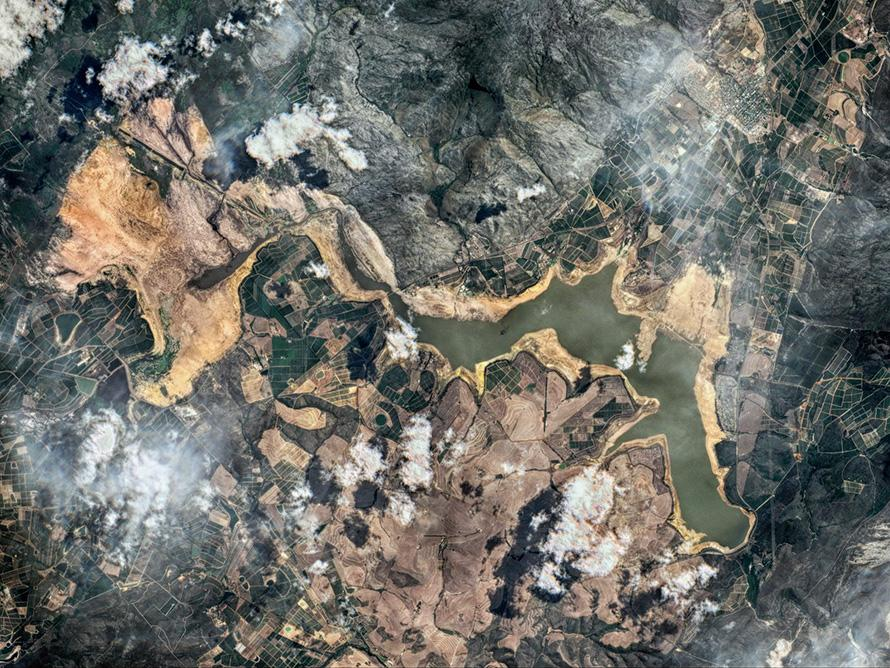
Climate pressures make those weaknesses harder to manage.
Cape Town came close to"Day Zero" in 2018, when the city warned that its municipal water supply could run dangerously low. The crisis forced stricter water management and exposed how vulnerable a major city can become when its supply is under pressure.
InApril 2022, severe flooding in eThekwini damaged infrastructure and disrupted essential services.

These are different problems, but they point to the same issue: cities need service systems that can cope when conditions become difficult.
AIIB says the programme includes climate-change mitigation and resilience, alongside more sustainable and lower-carbon urban services.
Its climate-related targets include reducing water and electricity losses and cutting methane emissions from solid waste.
The Money Has Targets Attached
The programme uses Program-for-Results financing, linking funding to agreed results that are independently verified.
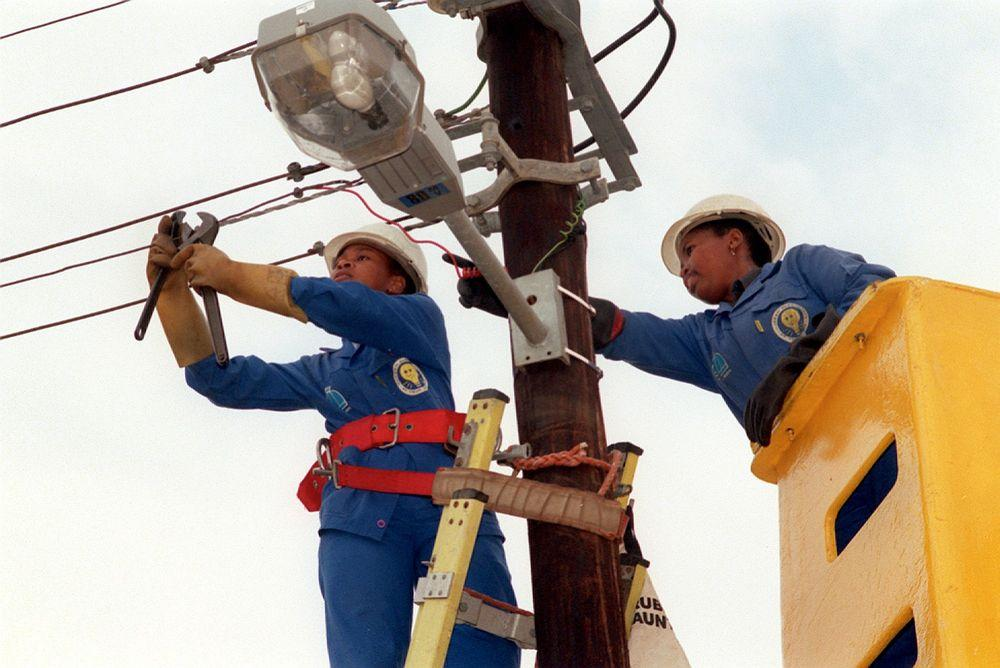
The targets include reducing non-revenue water from 41% to 28% and electricity losses from 22% to 12% by March 2031.
South Africa is also committing R54 billion in performance-linked incentives over six years. The National Treasury expects the wider reform to help unlock more than R100 billion in additional investment in water, sanitation, electricity and waste infrastructure.
There is still a major question around implementation.
The National Treasury has acknowledged weakened municipal capacity, infrastructure failures and financial stress across local governments. The government has also introduced stronger intervention measures for municipalities that cannot use infrastructure funds effectively.
That leaves cities with two jobs: meeting the programme's targets and building the capacity to keep those improvements going.
What Could Change for Residents?
The outcome will be visible in the services themselves.
It could mean more reliable water and sanitation, fewer electricity losses, better waste collection and better-maintained infrastructure.
But these changes are tied to targets running through 2031, so the August 7 financing agreement is only the beginning of a longer process.
The figures that will eventually tell the story are not just the $500 million.
They are the losses that money is supposed to reduce, the infrastructure it is supposed to improve and the services people receive when the work is done.