Nigeria Records West Africa's First Tele-Robotic Surgery. A New Possibility for Specialist Care
Nigeria’s first tele-robotic surgery shows how specialist care can be delivered across distance. Making it useful to more Nigerians will depend on the skills, infrastructure, hospital capacity and systems to support it.
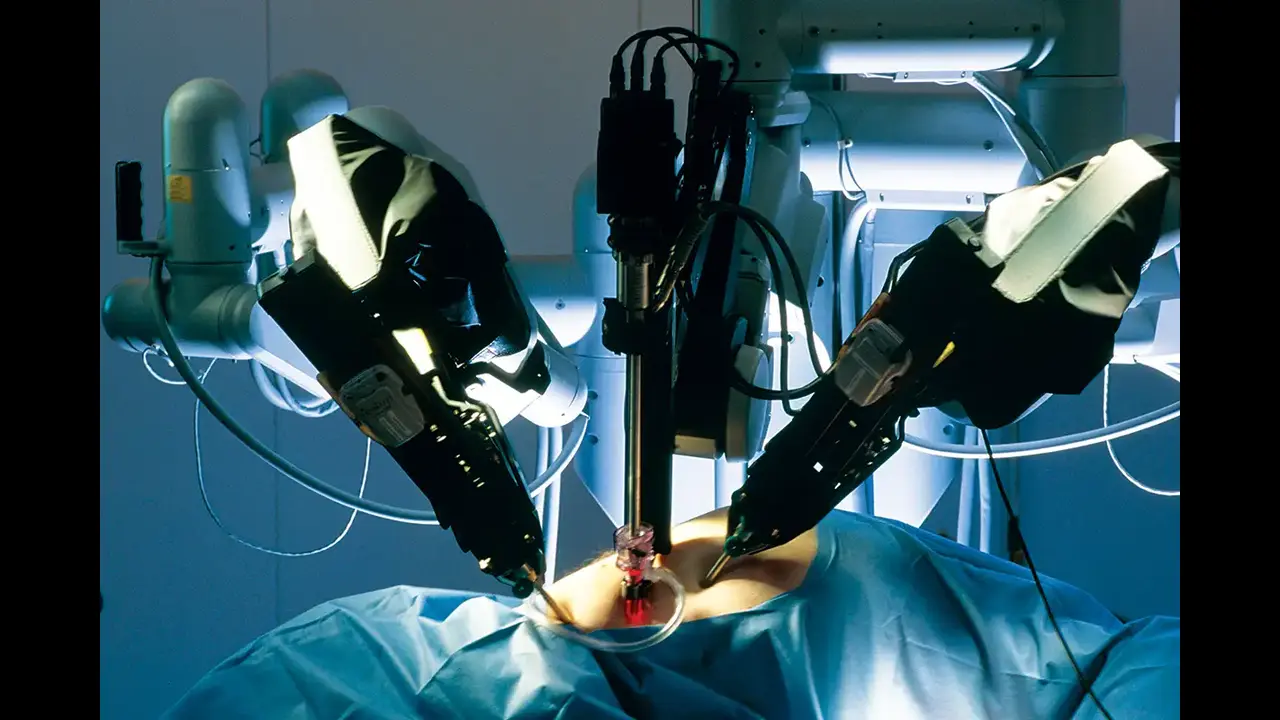
Nigeria has recorded whatthe hospitals involved describe asWest Africa's first tele-robotic surgery, with a patient in Abuja operated on by a surgeon working from Ogun State.
Now, the most interesting part of this story is that the surgeon and patient were in different locations. The surgery was done remotely, with the surgeon operating from a distance while the patient remained in the operating room in Abuja.
If a specialist can operate on a patient without being in the same hospital, what could that mean for access to specialised healthcare in Nigeria?
How Nigeria's First Tele-Robotic Surgery Happened
On September 19, 2026, a team at Nisa Premier Hospital in Abuja prepared for a kidney cancer operation while Prof. Obi Ekwenna-Davis worked from a robotic console at Redeemer's Health Village in Redemption City, Ogun State.
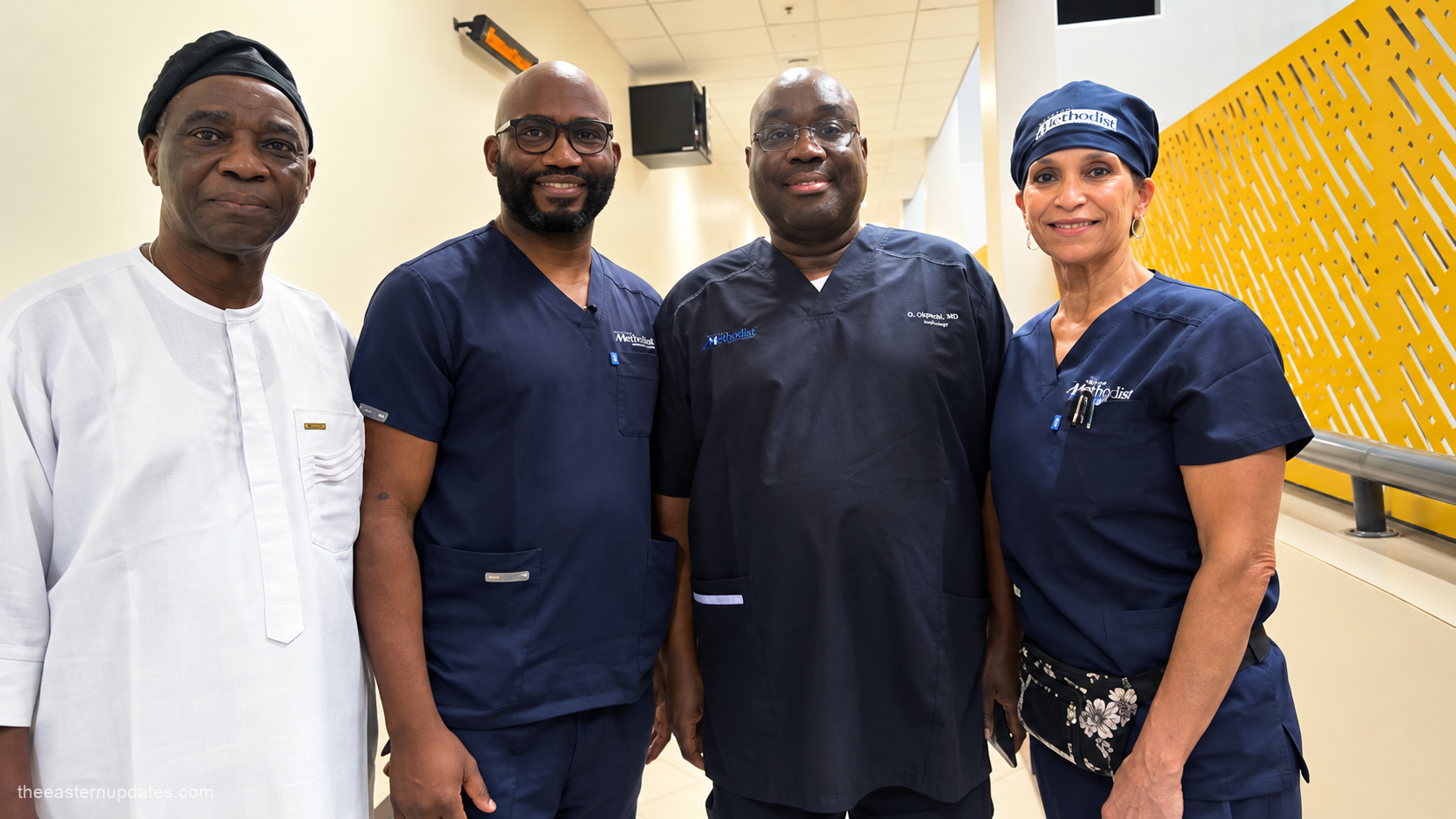
Caption: Team at Nisa Premier Hospital
The two hospitals are roughly 500 kilometres apart, according to Ekwenna-Davis. He controlled the Toumai robotic surgical system from Ogun while the medical team remained with the patient in Abuja.
The procedure was a right radical nephrectomy, which involved removing a kidney containing a cancerous tumour. The operation lasted about three hours, with brief pauses to check the equipment and connection.
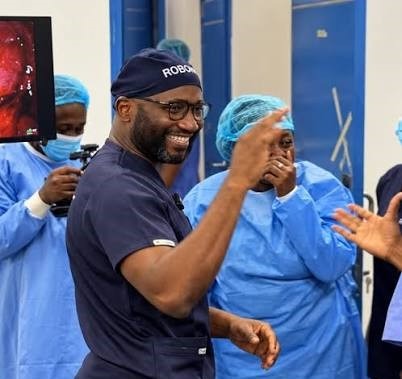
The remote link reportedly usedStarlink with MTN as backup. The patient was reported to be in good condition afterwards and was expected to leave the hospital within 24 hours.
The institutions involved described the procedure as West Africa's first tele-robotic surgery.Angola had already recorded remote Toumai procedures in 2024, so the Nigerian milestone is specifically a West African one.
What the Distance Could Change
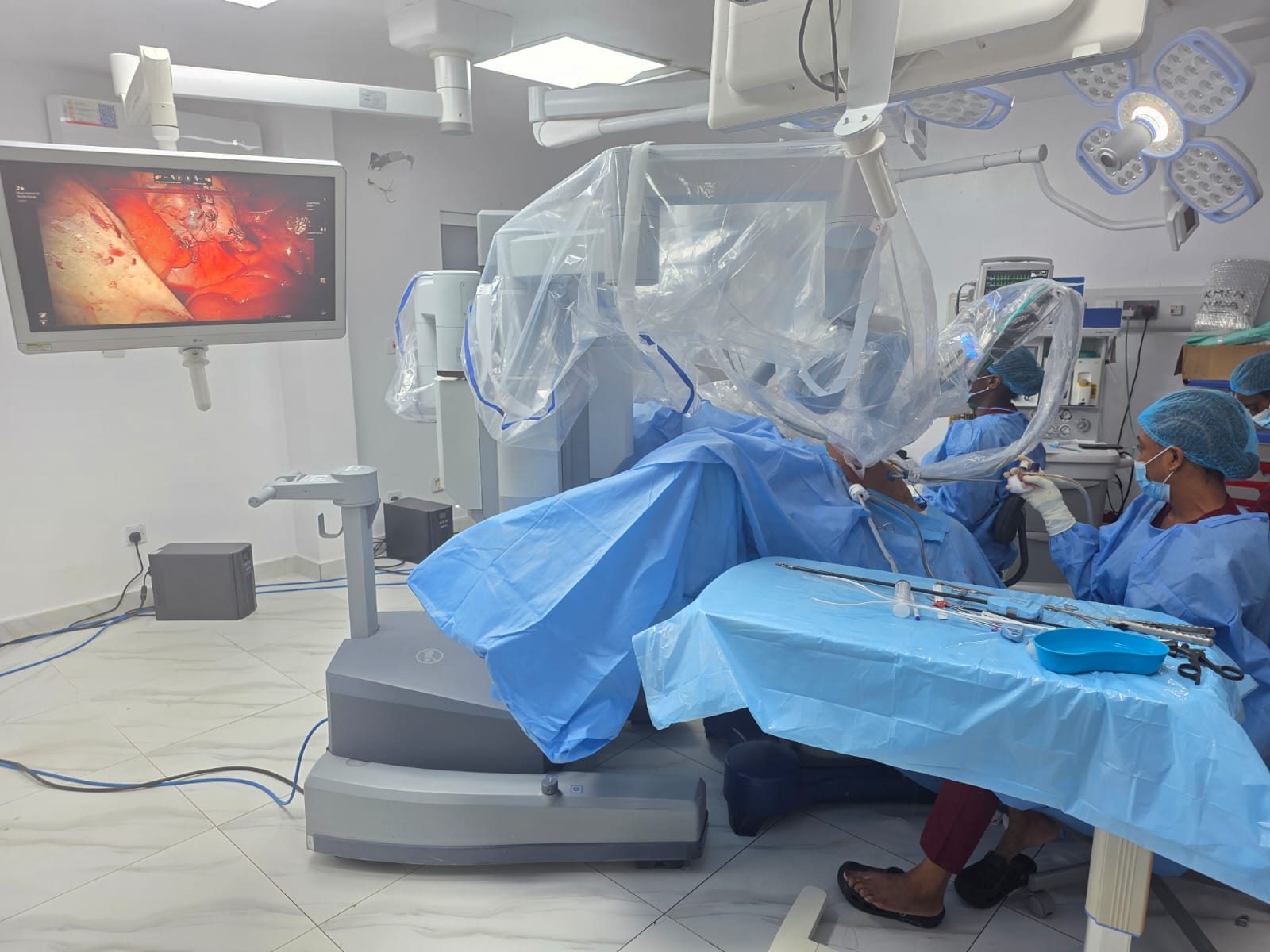
Specialist care in Nigeria is concentrated in particular hospitals and cities, and patients needing complicated procedures may have to travel within the country or seek treatment abroad.
Tele-robotic surgery could give specialists another way to reach patients who are far from the hospitals where they work. Nigerian specialists living abroad could also potentially participate in procedures at home without travelling, provided the technology and professional rules allow it.
The model has so far been demonstrated between institutions that already have the robotic equipment, specialist staff and technical support required for the procedure.
Nigeria Still Has to Build Around the Technology
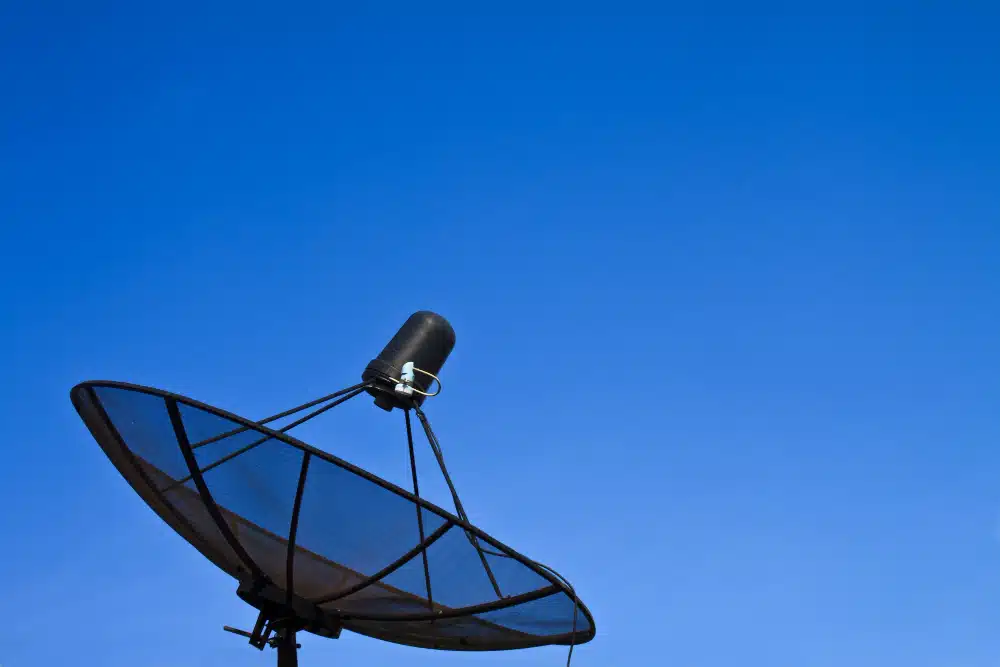
The connection between the surgeon and operating room had to remain reliable throughout the operation. The reported use of Starlink with MTN as backup illustrates the communications arrangements required when surgical commands are transmitted in real time.
The patient also needed a medical team in Abuja, alongside biomedical and technical personnel supporting the robotic equipment.
The cost of establishing and maintaining such a service is substantial. The Federal Ministry of Health has previously said RHV's robotic surgery programme involved about$4 million in investment. The price paid by the patient has not been publicly stated in the reports reviewed.

Research on robotic surgery in Africa has identified equipment and maintenance costs, limited funding, unreliable infrastructure and shortages of trained personnel among barriers to wider adoption.
There are regulatory questions too. The Medical and Dental Council of Nigeria (MDCN) regulates medical practice and the licensing of doctors in Nigeria. Remote surgery raises practical questions around licensing, professional responsibility and what happens if a technical failure interrupts an operation, particularly when future procedures involve doctors working across national borders.
Can This Reach More Nigerian Patients?
RHV and RoboMed Global say they plan to establish a robotic academy for surgeons, theatre nurses, biomedical engineers and other professionals. Ekwenna-Davis said the programme aims to train at least 150 surgeons within two years.
Building that pool of expertise could support wider use of robotic surgery. Hospitals would also need the equipment, technical infrastructure and clinical teams required to run the procedures.
For now, Nigeria has a successful case to build on, alongside a clearer sense of what is required to make this kind of specialist care possible. The planned training programme is one of the first steps towards doing that.