Uganda Airlines Secures Funding for Major Fleet Expansion
Uganda Airlines has secured significant funding of approximately 422 billion Ugandan shillings to acquire ten new aircraft, setting the stage for major international expansion from 2031. This strategic investment aims to boost connectivity to Europe, Asia, and the Middle East, enhance cargo capabilities, and position the airline as a key competitor in East African aviation. The expanded fleet will offer increased frequencies, reduced delays, and support Uganda's tourism and export sectors.
Uganda Airlines is preparing for a major fleet expansion after Uganda’s Parliament approved approximately 422 billion Ugandan shillings ($113 million–$117 million) to support the acquisition of new aircraft.
The funding will be used as down payments for 10 additional aircraft, marking one of the airline’s most ambitious growth plans since its revival in 2019.
According to the expansion strategy, the carrier intends to acquire four Airbus narrowbody jets from the A320neo family, four Boeing widebody aircraft and two Boeing freighter planes. The move is expected to strengthen both passenger and cargo operations over the next decade.
While deliveries are projected to begin from 2031, the airline says the timeline will allow sufficient room for infrastructure upgrades, fleet integration and crew training programmes.
The planned expansion is designed to improve regional and international connectivity, enabling Uganda Airlines to increase frequencies on existing routes and launch services to new destinations across Africa, Europe and Asia.
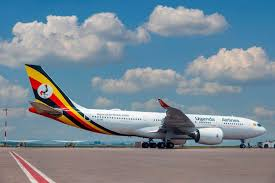
Narrowbody aircraft are expected to serve medium-haul markets, including Dubai and several West African destinations, while larger long-haul aircraft could be deployed on routes connecting Uganda to India, China and Europe.
The carrier has also identified opportunities to expand services to key European markets, including the United Kingdom and Germany. Growing demand from Asia, particularly China and India, remains a central part of the airline’s long-term growth strategy.
Industry analysts say the expansion could strengthen Uganda Airlines’ position against established regional hubs such as Ethiopian Airlines and Kenya Airways. Improved direct connections could reduce dependence on transit routes through major Gulf airports and provide passengers with shorter travel times.
The addition of dedicated cargo aircraft is also expected to support Uganda’s export sector. Agricultural products such as flowers, fish and fresh produce rely heavily on efficient air freight services to reach international markets.
Tourism stakeholders have welcomed the development, noting that stronger air links could boost visitor arrivals to destinations including mountain gorilla habitats, national parks and attractions surrounding the source of the Nile.
The investment reflects the Ugandan government’s broader commitment to developing a competitive national airline and expanding the country’s role in regional aviation. With funding now approved, long-term network growth is expected to remain a key focus as Uganda Airlines positions itself for expansion in the years ahead.