Trump Administration Cancels 85,000 Visas as U.S. Ramps up Immigration Crackdown
The U.S. has revoked 85,000 visas in one year, over 8,000 from students. Inside Trump’s sweeping immigration crackdown and what it means for your ‘japa’ plans
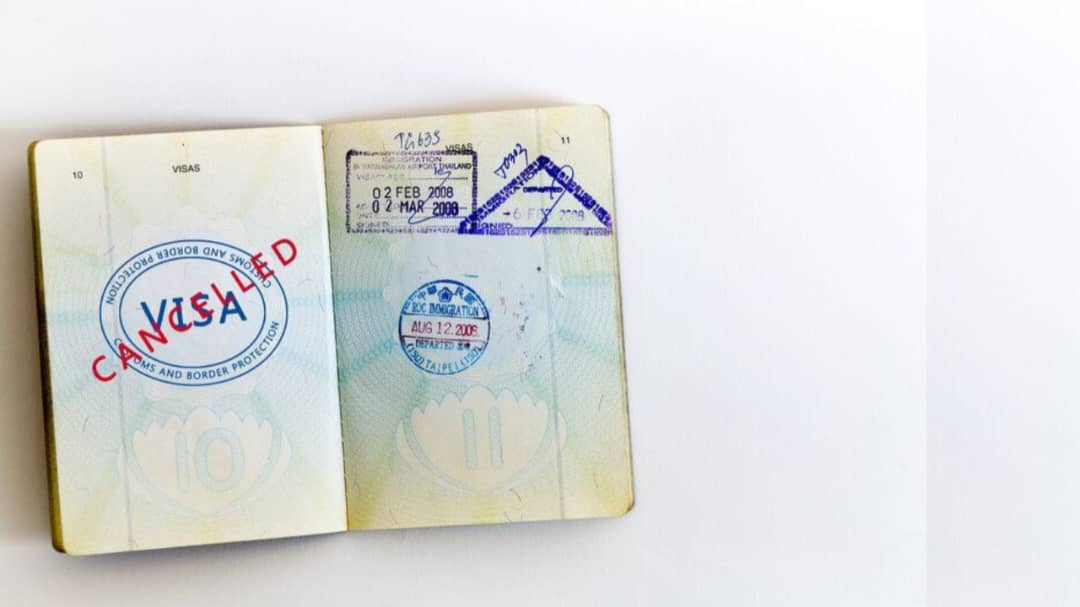
The United States has quietly cancelled around 85,000 visas in just one year, and officials are calling it part of a big push to tighten immigration and clamp down on “security threats.” This simply means the U.S. has basically entered serious mode on who it lets in and who it allows to stay.
This wave of cancellations shows just how far the Trump administration has shifted U.S. immigration policy. Before, most of the drama happened when you were applying: fill the form, do your interview, pray, and hope you get that shiny visa sticker.
Now, it’s different. Even people who already have visas are being checked again. In other words, the vetting is no longer one-and-done; it’s ongoing.
A U.S. State Department official confirmed that over 8,000 of those cancelled visas belonged to international students. That’s more than double the number from the previous year. Universities and colleges that depend heavily on foreign students for money and prestige are understandably stressed. And for young people all over the world who see an American degree as their golden ticket, it’s a harsh reminder that the road to that dream is getting bumpier.
The official line from Washington is that this is all about public safety. They say some of the visa revocations are tied to criminal accusations like drunk driving, assault and theft.
In those situations, the U.S. argument is simple: if you come here and misbehave, you lose the privilege of entering or staying. But this isn’t only about obvious crimes.
The same official explained that consular officers have now been told to look more broadly at people’s behaviour when deciding if they should keep a visa. Under the new playbook, patterns that used to earn you a warning or extra monitoring can now get your visa straight-up cancelled.
From Students to Tech Bros: Who’s Catching Strays?
This tougher stance isn’t limited to one type of visa. Student visas are clearly taking hits, but work visas are also in the firing line. Recently, consular officers were told to put H-1B visa applicants under heavier scrutiny.
That’s the visa that big tech companies, engineering firms and other employers use to bring in highly skilled workers from abroad. So, even if you’re the classic “tech bro with a job offer,” the process isn’t as smooth as it used to be.
Internal guidance reported in U.S. media suggests visa officers are being encouraged to deny applications from people they believe have taken part in efforts to silence or punish lawful speech while in the U.S.
That could mean certain types of online activity or involvement in workplace policies that limit expression. Immigration lawyers are side-eyeing this because it’s very vague and gives officers a lot of room to interpret things based on their own judgment, or even their politics.
All this is happening at the same time as other restrictions. The administration has announced that immigration will be halted from 19 countries that were already facing partial or full travel bans, blaming ongoing national security concerns. Critics say what was sold as “temporary” is slowly turning into a permanent wall, with no clear explanation of when things might change.
Nigeria also pops up in this story. The State Department has introduced a visa-restriction framework targeting people suspected of involvement in attacks on Christian communities in the country. The U.S. presents this as part of a wider strategy to go after religiously motivated violence abroad, using visas as leverage. It’s a reminder that what happens inside Nigeria doesn’t always stay in Nigeria; it can follow people all the way to foreign embassies and airports.
Diaspora Connect
Stay Connected to Home
From Lagos to London, Accra to Atlanta - We Cover It All.
Japa, But Make It Strategic
Now let’s talk about what you really care about: your japa plans.
In countries like Nigeria, “japa” has become shorthand for the dream of escaping chaos and chasing better opportunities abroad. For many young Nigerians, the U.S. is still top three on the dream list for school, work or a fresh start. This new visa reality doesn’t say “forget it, don’t bother,” but it does send a clear message: the path is tighter, and the stakes are higher.
For students, good grades and enough funding are no longer the full story. Your immigration history matters. Your online footprint can matter. Whether you respected past visa conditions matters.
Even things you might consider “small” – like a minor legal issue – can suddenly carry extra weight. For professionals aiming at H-1B or similar visas, the process now comes with more questions, more documentation, longer timelines and a higher chance that your visa could be pulled later if the U.S. decides it doesn’t like something about your activities or associations.

If you’re already in the U.S. on a temporary status, this new climate is a loud reminder that you can’t afford to be careless. Following local laws, respecting your visa rules and keeping your paperwork tidy are not optional; they’re survival skills. The era of “once I enter, I’m fine” is over.
None of this cancels japa. But it does upgrade japa from vibes to strategy. Instead of depending only on gist from Twitter, TikTok or that one “agent” on WhatsApp, it’s becoming more important to do real research, read official embassy information and, when possible, talk to proper immigration advisers. It might also push more people to consider other destinations like Canada, the U.K., parts of Europe or even new African hubs where the rules may feel clearer or more predictable right now.
U.S. officials are making it clear that this isn’t some short-term “operation” they’ll forget about next year. It’s the new normal. Having a U.S. visa is no longer just about acing one interview; it’s an ongoing relationship that can be reviewed, questioned and, if they decide you’re a risk, cut off.
So if the U.S. is part of your japa story, the lesson is simple but not soft: the door isn’t locked, but it’s definitely harder to push open. The dream of studying, working or building a life in America is still on the table, but it now demands more intentional planning, cleaner records and far less room for mistakes.