Tigray on Edge: Fears Mount Over Escalating Violence in Ethiopia
The Tigray People's Liberation Front (TPLF) has reinstated the Tigray regional parliament, citing violations of the Pretoria Agreement by the federal government. This controversial move sparks fears of renewed conflict in northern Ethiopia, a region still grappling with the devastating humanitarian consequences of the 2020-2022 war.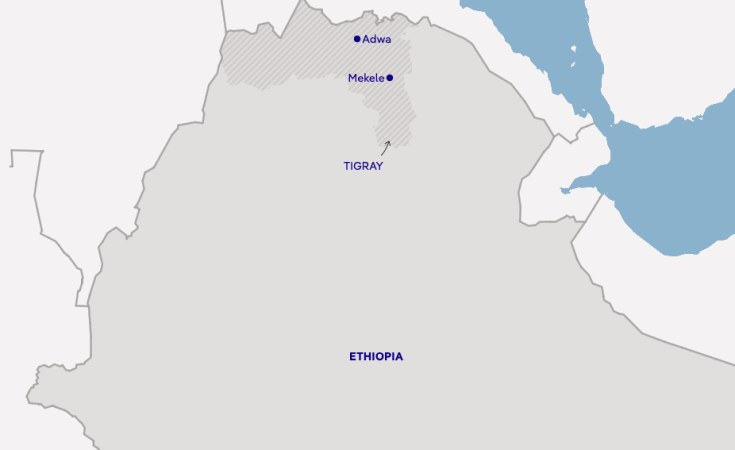
The Tigray People's Liberation Front (TPLF) has officially announced the reinstatement of the Tigray Government Assembly, a regional parliament whose election in 2020 was a significant catalyst for the devastating war in northern Ethiopia. This decision, communicated via a Facebook post, states that the TPLF's central committee reinstated the assembly, which was elected by approximately 2.8 million people and subsequently suspended for the sake of peace.
A senior official from the Front, who chose to remain anonymous, justified the reinstatement by asserting that the federal government is violating the Pretoria Agreement due to a lack of consultation with the TPLF. This move has reportedly ignited fears among local media outlets and observers of a potential resumption of the bloody conflict between the Ethiopian government and regional forces. The previous war, spanning from 2020 to 2022, tragically claimed at least 600,000 lives and plunged the region into an unprecedented humanitarian crisis.
Since the initial conflict, the country has been governed under the Cessation of Hostilities Agreement (COHA) of Pretoria, which was brokered by the African Union and signed in the South African capital on November 2, 2022. This critical agreement stipulated a permanent cessation of hostilities and mandated the establishment of a provisional administration for Tigray. This administration was intended to be formed through dialogue between the two parties and was meant to replace the region's elected bodies until new, legitimate elections could be held.
The 2020 election, which saw the TPLF emerge victorious, was never recognized by federal authorities and was a direct trigger for the deadly Tigray war. Despite no longer being registered as a political party following Prime Minister Abiy Ahmed's ascent to power, the TPLF continues to wield considerable influence at the regional level. The humanitarian fallout from the previous conflict remains severe, with aid organizations reporting that over 1,300 individuals succumbed to shortages of food and medicine. Furthermore, up to 80% of the population is still in dire need of emergency assistance, and significant funding gaps continue to place immense strain on the region's healthcare system.