The Wealth Gap Is Also a Knowledge Gap
The wealth gap isn’t only about income — it’s also about information. Learn how financial knowledge, networks and access to opportunity quietly shape who builds wealth and who struggles to catch up.

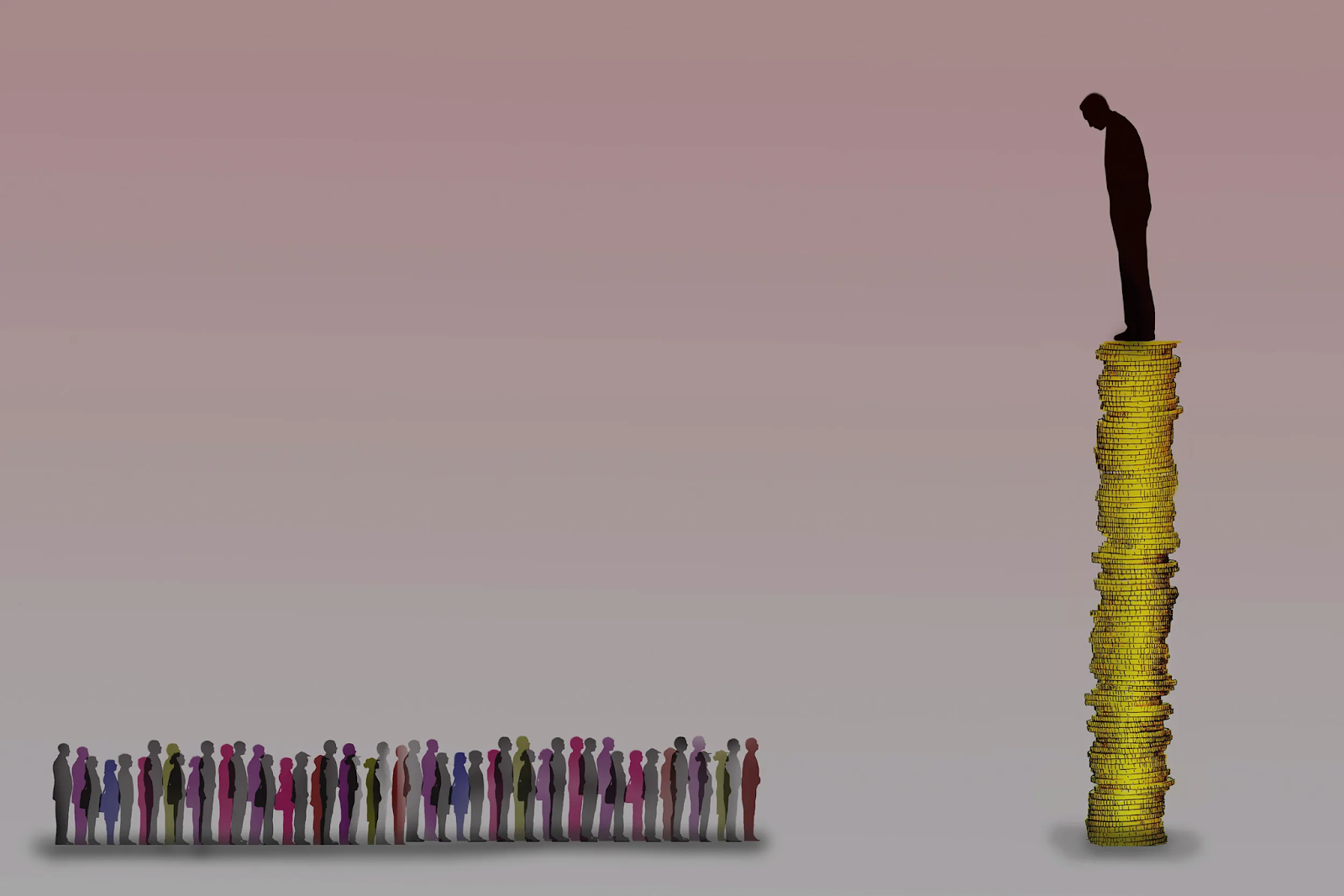
As we grow, one thing we slowly realise that nobody tells us outrightly is that the difference between the rich and everyone else is not just money, it is information.
Specifically, it is access to a certain kind of information that the wealthy have quietly held onto for generations while the rest of us were taught to save small and dream big.
Think about it. Growing up, what did the adults around you say about money? Work hard, save what you earn, avoid debt, stay in your lane. Good advice, maybe but not the full picture.
Definitely not the picture being painted in boardrooms, old-money households and private wealth management meetings across the globe
The rich are not just wealthier. They are better informed. And that gap in information is doing just as much damage as the gap in income.
They Were Never Going to Teach You This
Now, wealthy people do not think about money the way middle-class people do.
While the average Nigerian young adult is trying to save their way to comfort, high-net-worth individuals are using debt as a tool to multiply their assets.
They borrow to invest. They use other people's money to buy things that generate income.
Then they let those assets work while they sleep. The concept is not complicated, it is just never explained and simplified to people who need to hear it most.
Financial literacy is one of the clearest markers of class.
Research consistently shows that people with higher incomes score significantly better on financial knowledge tests than lower-income earners not because they are smarter, but because they have had more exposure to how money actually works.
The Alhaji's son who grew up watching his father negotiate land deals and reinvest profits enters adulthood with a financial vocabulary most graduates never acquire.
The School System Was Not Designed to Close the Gap
What passes for financial education is usually surface-level where we usually have budgeting tips, basic savings advice, maybe a brief conversation about interest rates.

What it rarely covers is how compound interest actually builds wealth over time, how to read an investment portfolio, what diversifying income streams looks like in practice or why the wealthy structure businesses and assets the way they do.
The people who know these things learned them at home, from mentors or from being in rooms most people never get access to.
Your Network Is Either an Asset or a Ceiling
Wealth is not just stored in bank accounts, it circulates through relationships.
Exclusive investment opportunities, off-market real estate deals, early access to business partnerships are things rarely get advertised.
They move through word of mouth, through trust, through proximity to the right people.
When your social circle is made up entirely of people in the same financial situation as you, information travels in a loop that never leads anywhere new.

The network advantage is real and deeply underrated. And it is one of the hardest parts of the knowledge gap to close because it is not just about what you know, it is about who knows you.
So What Do You Actually Do?
Accept that catching up on financial knowledge is very urgent.
The good news is that information that was once gatekept is now more accessible than it has ever been.
Books like Rich Dad Poor Dad and The Richest Man in Babylon are a start.
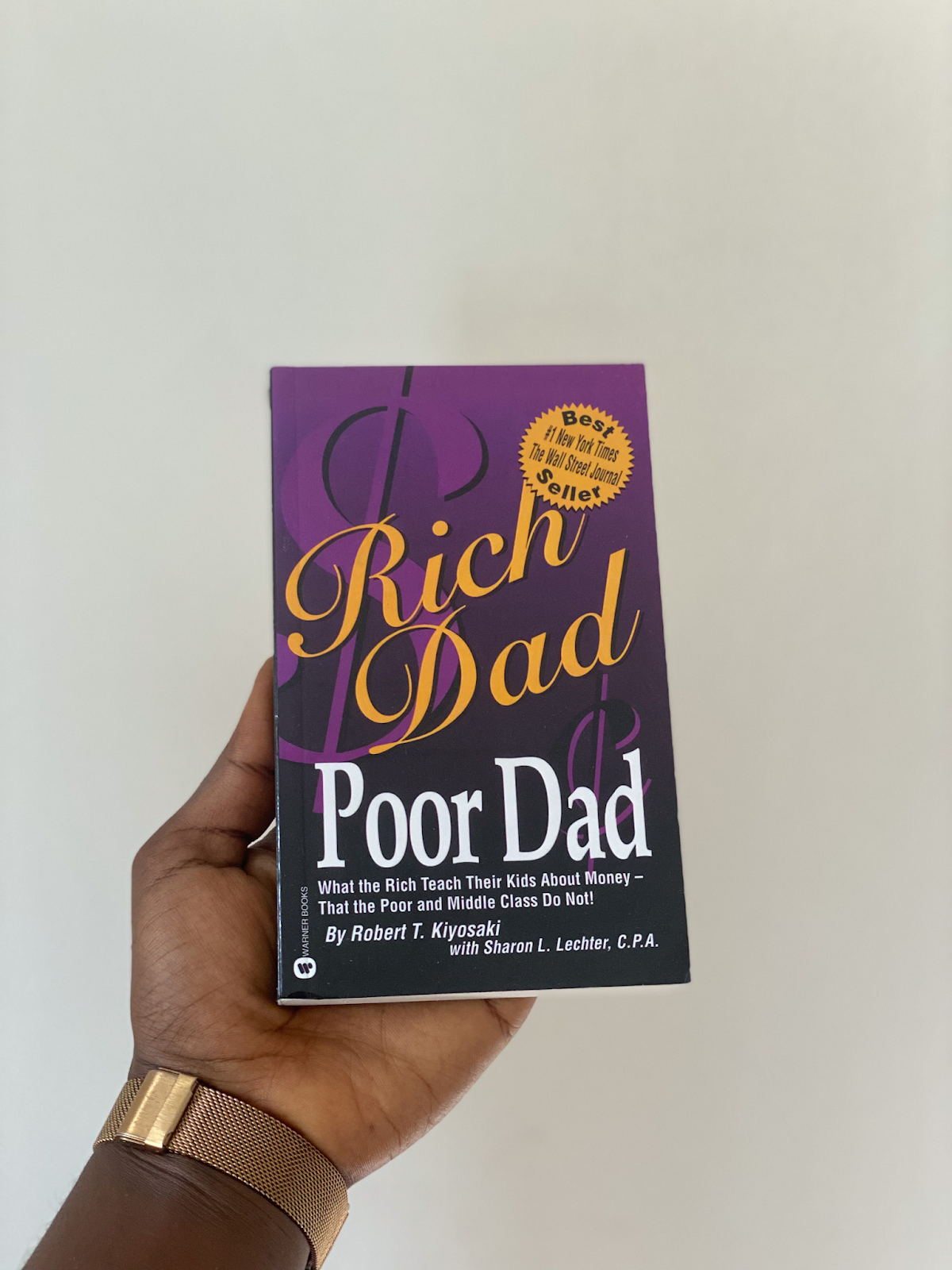
Podcasts, credible financial content and platforms like Investopedia exist and are free. Use them intentionally.
Start investing early,even with small amounts. Compound interest is the one financial tool that genuinely rewards starting sooner rather than later.
Platforms like PiggyVest and Cowrywise have lowered the barrier to investing in Nigeria significantly.
A few thousand naira invested consistently will do more over ten years than a large sum dropped in at thirty-five.
Rethink how you see debt and income. Not all debt is bad debt.
Not all income looks like a salary. The wealthy understand this, they build multiple streams, own assets and let money move.
Start thinking about what you own versus what you earn and whether the things you own are working for you or just sitting there.

The Gap Is Real But So Is the Information
The system does have advantages built in for those who were already ahead.
But a significant part of what keeps the gap wide is that people at the bottom of it do not always know what they do not know.
And that, unlike the system itself, is something you can actually do something about.
Knowledge does not replace capital. But it is often where capital begins.