The South African Doctor Who Performed the World’s First 3D-Printed Ear Bone Transplant
A South African surgeon did the impossible; 3D-printing ear bones to restore hearing. This is the groundbreaking work of Professor Mashudu Tshifularo.
Imagine being 35 years old and waking up one morning unable to hear. Not gradually, not the slow fade that comes with age, but suddenly, violently, as the consequence of a car accident that shattered the three smallest bones in your body.
Bones so small they sit inside your ear. Bones so precise that for decades, medicine had no reliable way to replace them. You are told this is permanent. You are told to adjust. You are handed a hearing aid and sent home.
Then a professor in Pretoria tells you he has a different idea.
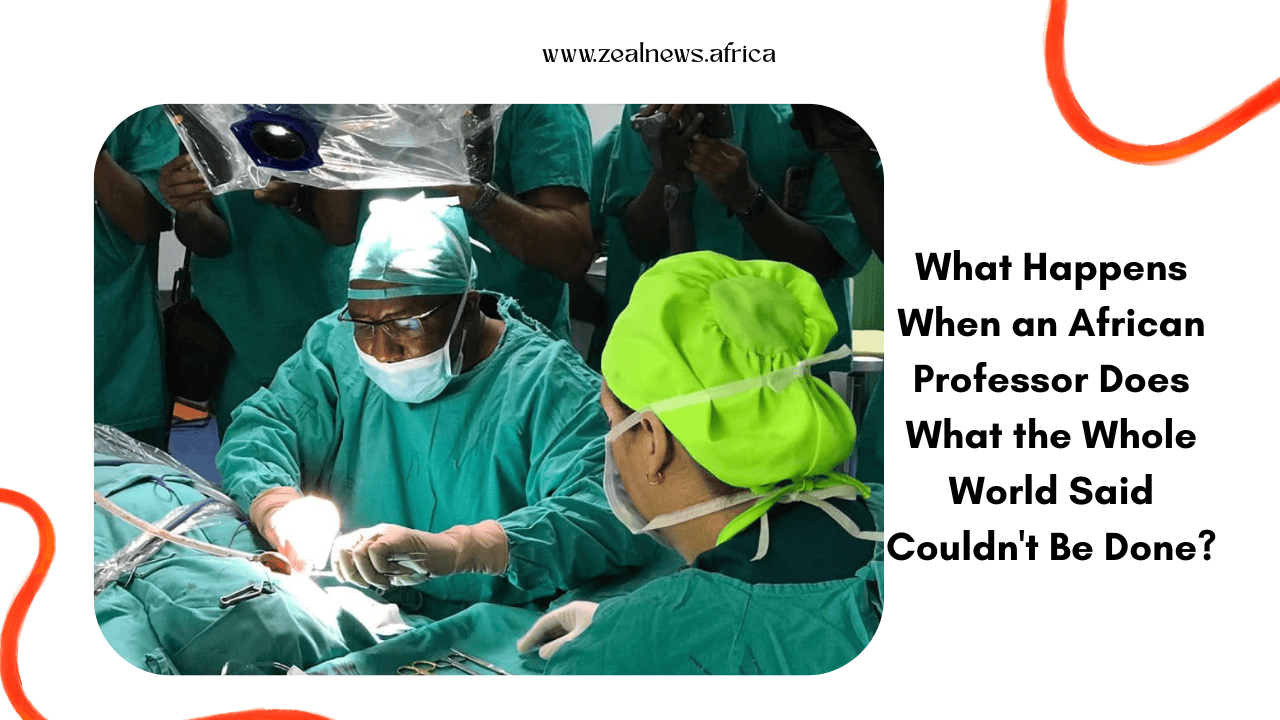
On March 13, 2019, Professor Mashudu Tshifularo walked into an operating theatre at Steve Biko Academic Hospital in Pretoria and made history. Not borrowed history. Not history built on the back of a Western institution or a foreign research grant.
History made in South Africa, by a South African, for a patient who had been told there was no road back to sound.
There was. Tshifularo had been quietly building it for years.
The Quiet Obsession Behind the Breakthrough
Professor Tshifularo is the head of the Department of Ear, Nose, Throat, Head and Neck Surgery at the University of Pretoria, and he began developing this technology during his PhD studies.
This was not a sudden flash of inspiration. It was a decade-long, methodical pursuit of a solution to a problem that medicine had largely accepted as unsolvable.
The problem is this: deep inside the middle ear sit three bones — the malleus (hammer), the incus (anvil), and the stapes (stirrup). Together they are called the ossicles — the smallest bones in the entire human body.
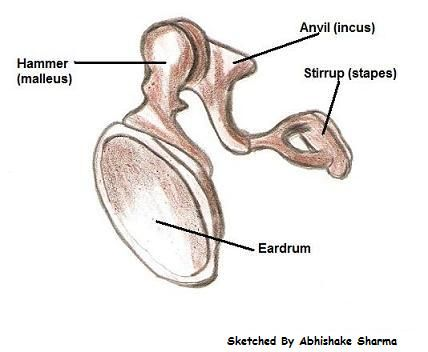
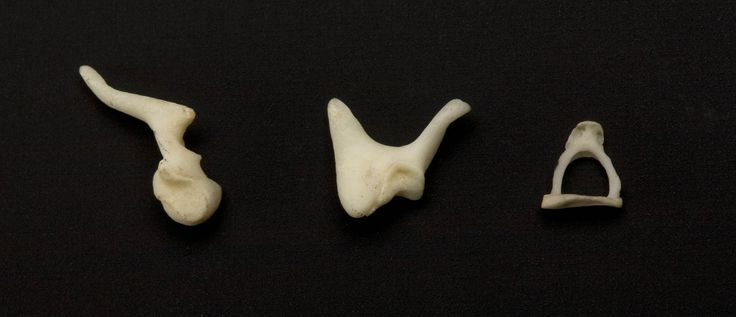
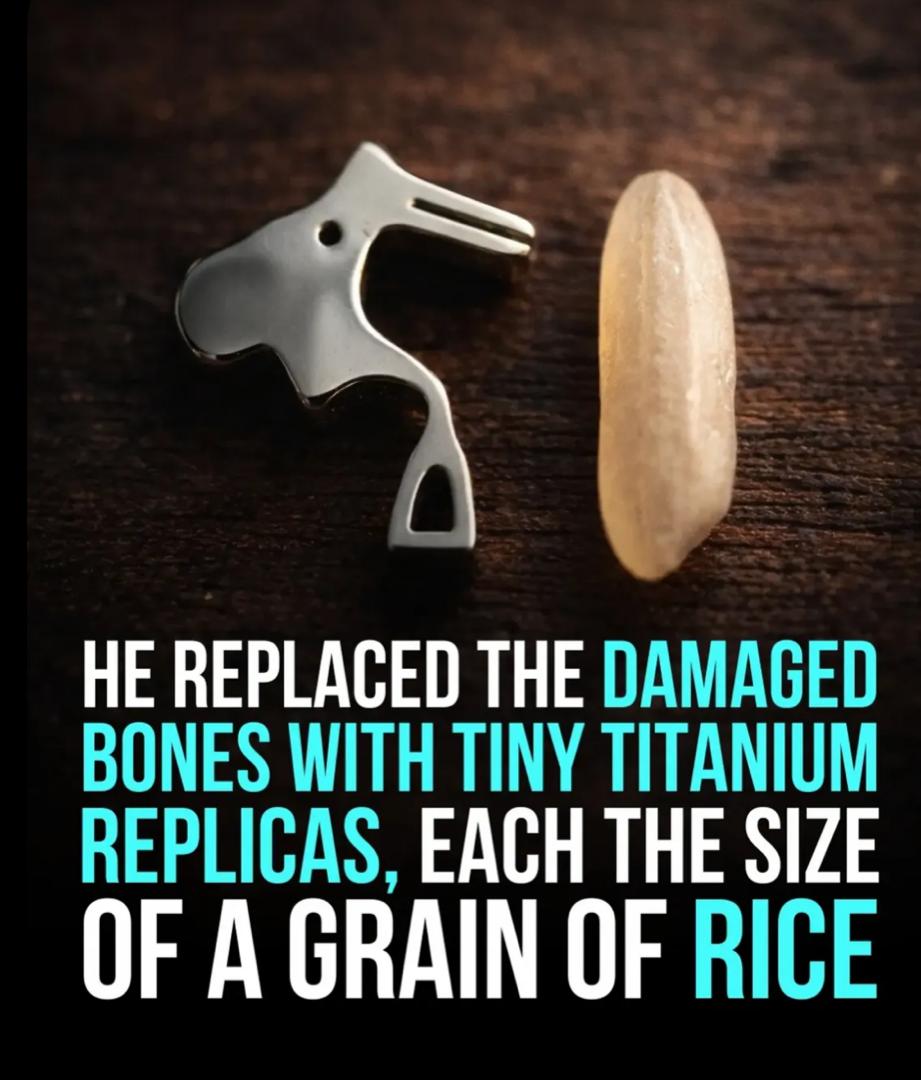
Their job is to transmit sound vibrations from the eardrum to the inner ear. When they are damaged by trauma, infection, birth defect, or metabolic diseases, sound simply stops travelling. The result is conductive hearing loss, a form of deafness that affects millions of people worldwide.
Traditional solutions existed but were deeply imperfect. Titanium prostheses had been used, but they were expensive, carried surgical risk, and were rarely a precise anatomical match for the individual patient's ear.
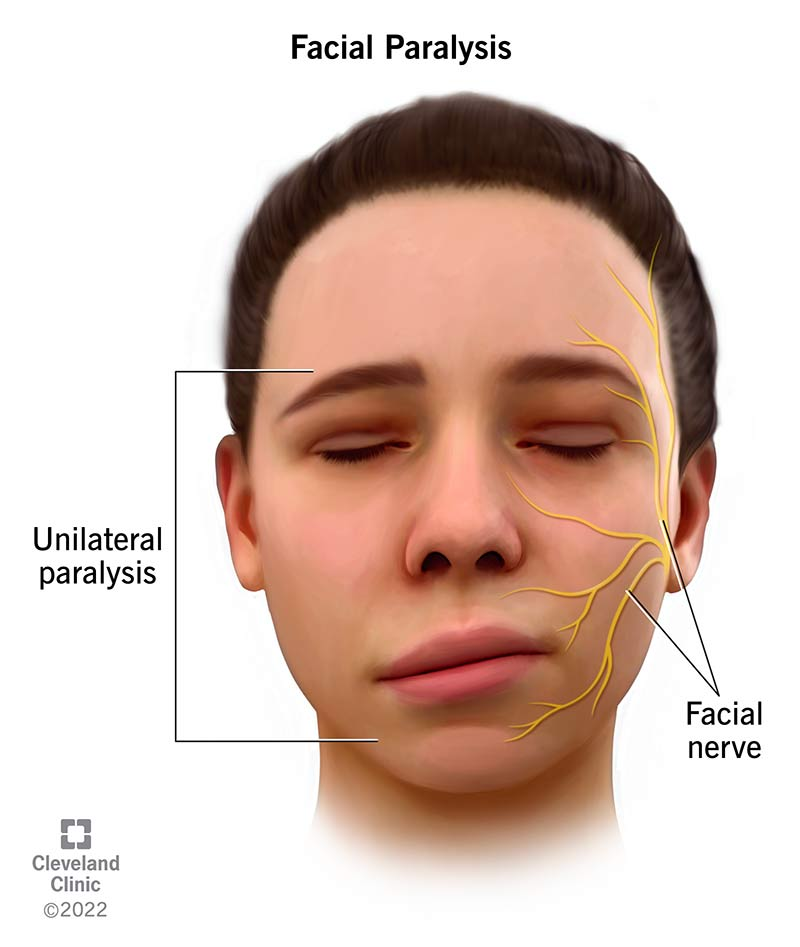
Traditional middle ear surgery also carries a risk of facial nerve paralysis, because the facial nerve passes directly through the middle ear space, and any accidental damage during surgery can leave a patient permanently disfigured.
Tshifularo looked at all of this and asked a different question. Not how do we replace these bones? But what if we could print them, exactly, precisely, perfectly, for each individual patient?
The Surgery That Changed Everything
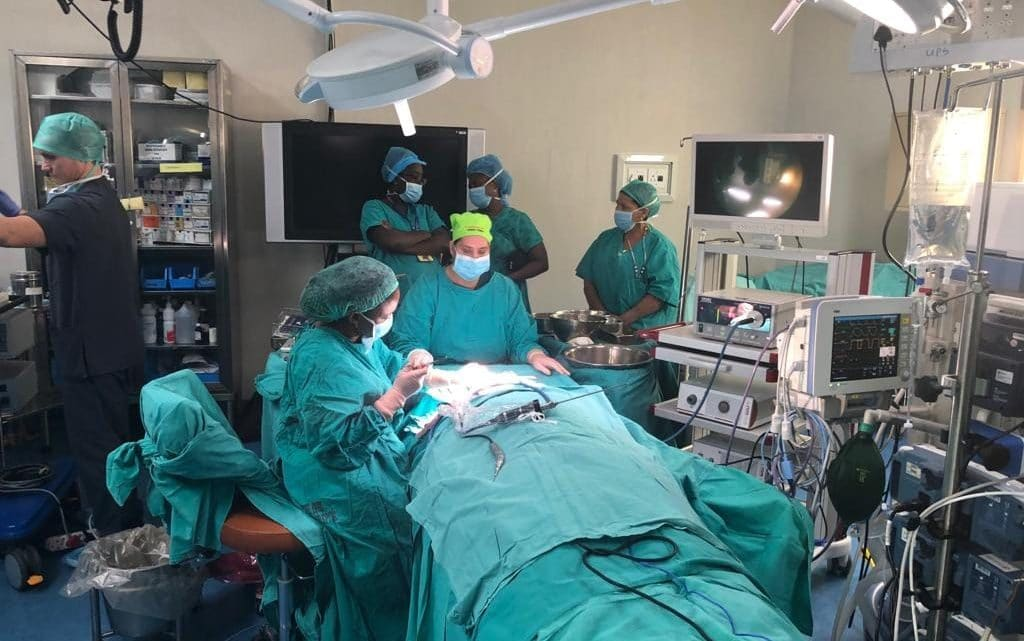
Using 3D printing technology, Tshifularo's team created implants that precisely replicated the hammer, anvil, and stirrup of the individual patient's middle ear, then surgically replaced the damaged originals with the printed versions.
The operation on that first patient, the 35-year-old who had lost his hearing in a car accident, lasted just one and a half hours, performed endoscopically. When it was over, the man could hear.
Read that again. A man who had been told his deafness was permanent. One and a half hours. He could hear.
The implications cascaded immediately. The procedure can be performed on patients of any age, including newborn babies born with middle ear defects. It targets a form of deafness that had long resisted reliable treatment.
And because the implants are 3D-printed to match the exact anatomy of each patient's ear, the precision is extraordinary, far more exact than traditional prosthetics, with the body significantly less likely to reject a biocompatible printed implant than a standard one-size-fits-all prosthesis.
The implants Tshifularo developed are also more affordable than traditional titanium alternatives — a detail that is not merely technical. It is moral. A breakthrough that only the wealthy can access is not really a breakthrough for humanity. Tshifularo understood that from the beginning.
The Man the World Almost Missed

Here is the part of this story that should sit uncomfortably with everyone who reads it. After performing the world's first surgery of its kind, Professor Tshifularo publicly stated that he needed sponsors and funding for the invention to scale, that without financial backing, one of the most significant medical breakthroughs of the decade risked stalling on African soil.
Whether that support arrived at the scale the breakthrough deserved is a question that deserves its own investigation.
What is not in question is what Tshifularo himself represents. He is the living rebuttal to every assumption about where medical innovation comes from, who produces it, and what African science is capable of. He did not travel to a European research institution to make this discovery.
He did not need a Silicon Valley investment round to fund the idea. He built it at the University of Pretoria, refined it through his PhD, and walked it into an operating theatre in Pretoria on a Wednesday morning in March.
Why Is This Story Important?
There are children alive today who were born unable to hear, for whom this procedure represents not a restoration but a first experience of sound entirely.
There are adults who lost their hearing to infections that went untreated, to accidents that stole something irreplaceable, to birth circumstances beyond anyone's control.
For all of them, Tshifularo's work is not an abstract medical milestone. It is personal. It is the difference between a world of silence and a world of sound.
He did it in Africa. He did it first. And the world is only just beginning to pay attention.
"3D technology is allowing us to do things we never thought we could," Tshifularo said after the surgery. It is a modest statement for a man who just rewrote what medicine believed was possible.
Genius, it turns out, does not require a Western postcode.