The Silent Tax on Young People: Emotional Labour as an Unpaid Economic Engine
Young people are silently powering families, workplaces, and society through unpaid emotional labour, an invisible tax that drains ambition, creativity, and mental bandwidth. This gripping narrative uncovers how the emotional economy exploits youth and why reclaiming your energy is an act of economic rebellion.

Young people today are caught in a strange double bind. They are told they are “too emotional,” yet somehow they are also expected to serve as the emotional regulators of every space they occupy. Schools rely on them to keep the peace, workplaces depend on them to bring “positive energy", and families lean on their empathy.
Relationships feed on their patience. Society treats them like emotional infrastructure. This is not simply a moral burden; it is an economic one. It functions like a tax; unofficial, unacknowledged, but consistently deducted from the time, ambition, mental bandwidth, and long-term potential of young people.
Emotional labour has always existed. What changed is the scale. Earlier generations passed their emotional deficiencies on like unpaid bills. They grew up in eras when silence was a coping mechanism and avoidance was tradition. Now, young people are expected to fix emotional debts they didn’t create.
They were born into the aftermath of unprocessed trauma and forced into the role of caretaker without discussion, training, or compensation. The world runs on this unseen energy; yet never admits it.
The Inherited Crisis: How Young People Became Society’s Emotional Shock Absorbers
Every generation inherits something. Some inherit wealth, some heirlooms, some generational trauma. Young people today inherited emotional crises. Their parents and grandparents practiced suppression as a survival strategy.
They were raised in homes where adults didn’t apologize, didn’t seek therapy, didn’t admit mistakes, and didn’t confront dysfunction. Their silence became structure, and that structure eventually collapsed on the next generation.
This is how young people became the emotional shock absorbers of modern life. Whenever there is conflict in a family, the younger one is expected to be understanding. When a parent lashes out, the child must empathize with their “stress.” When a relative refuses help, the young one must accommodate their moods. When a partner lacks emotional maturity, it is the younger one who is expected to teach communication, to be patient, to soothe, to explain, to fix.

It’s not that young people volunteered to be emotionally literate; they simply grew up in environments where emotional illiteracy was normal. You cannot come from chaos and not learn to read emotional weather forecasts. But the problem is that the world interprets this competence as duty.
Because young people understand conflict, they are given the job of preventing it. Because they are more articulate about their feelings, they must handle the feelings of every adult in the room. Because they question harmful behaviour, they must now educate the people who cause harm.
The emotional labour tax begins here, not with one dramatic moment but with years of unspoken expectations, years of being told to adjust, adapt, absorb, tolerate. And by the time they realize this emotional work has become routine, they are already exhausted from doing it.
Social Insight
Navigate the Rhythms of African Communities
Bold Conversations. Real Impact. True Narratives.
The Hidden Economy: How Emotional Labour Sustains Families, Workplaces, and Social Structures
Emotional labour would be easier to confront if it were simply about feelings. But it is an economic machine; silent, powerful, and completely unacknowledged.
Take workplaces. Young employees walk into environments shaped by outdated management styles, unresolved interpersonal tensions, chaotic communication systems, and leaders who were never trained to lead. Instead of restructuring those systems, organizations quietly depend on their younger staff to manage the emotional climate.
It is the young people who smooth conflicts, cushion harshness, translate instructions from erratic supervisors, soften customer frustrations, and maintain a culture of calm. Their emotional work protects productivity and saves companies money, yet it never appears on a payslip.
The same dynamics unfold in families. Whenever an adult refuses accountability, it is a younger person who must shrink, interpret, or forgive. When parents refuse therapy, children become mediators. When elders refuse self-reflection, the younger ones must perform emotional gymnastics to maintain harmony. This is not love; it is unpaid maintenance of fragile emotional systems built by generations before them.

Even romantic relationships depend on this labour. Young people, especially young women, become emotional translators for partners who never learned how to articulate themselves. They find themselves soothing tempers, explaining why words hurt, teaching empathy, holding space, and managing both their own emotions and the emotions of the person they’re with. Many relationships appear functional solely because one person is performing the invisible task of emotional regulation.
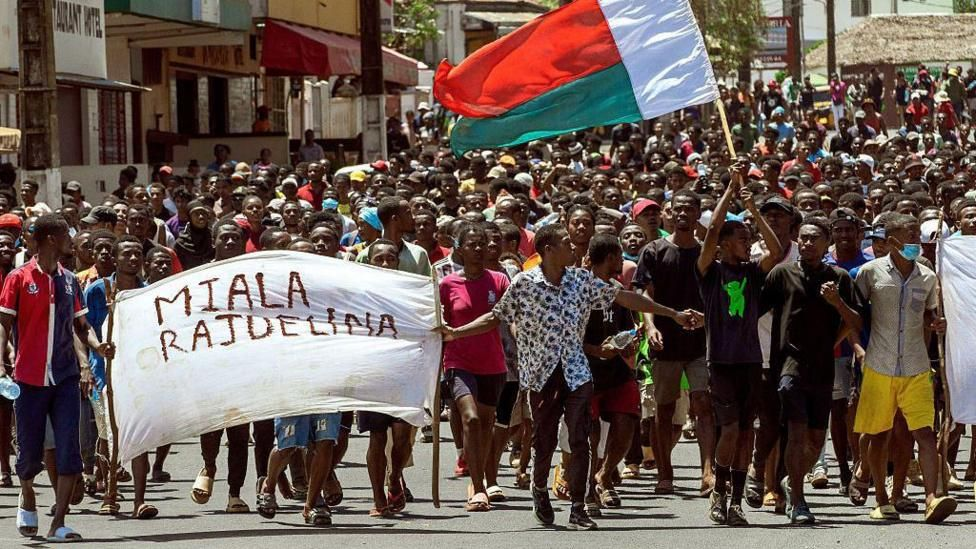
On a societal level, the reliance becomes almost absurd. Governments underperform, institutions collapse, and who takes up the slack? The young. They lead protests, campaigns, social movements, climate activism. They volunteer, organize, and mobilize. Society benefits from their passion, then mocks them for having it.
Across all these spaces, the pattern is consistent: young people provide emotional labour that allows systems to pretend they are functioning. This labour stabilizes everything around them, and depletes them in the process.
The Price of Being “The Strong One”: How Emotional Labour Shrinks Ambition and Creativity
Emotional labour is not harmless. It drains cognitive bandwidth, the same bandwidth required for growth, ambition, innovation, and creativity. When someone spends hours managing the moods of others, their own ideas remain undeveloped.
When they spend their evenings comforting people who refuse to comfort themselves, they lose the mental energy needed to invest in their own goals. Emotional labour quietly consumes the very resources that young people need to rise.
There is also an economic cost. People who spend much of their emotional capacity on others rarely have the strength to pursue better jobs, expand their skills, network strategically, or build side projects that could increase their income.
They are too drained to engage in planning, execution, or long-term vision. Emotional labour restricts upward mobility by eating the time and mental clarity required to climb.
More dangerously, it corrodes self-worth. When you spend years being the “understanding one,” “the patient one,” or “the one who can handle things,” you begin to define yourself by how much you can carry.
Social Insight
Navigate the Rhythms of African Communities
Bold Conversations. Real Impact. True Narratives.
You start to think of yourself as someone whose existence is tied to usefulness. You tolerate more than you should. You internalize imbalance. You begin to mistake emotional endurance for love, loyalty, maturity, even purpose.
This is how emotional labour works: it does not simply exhaust you; it rearranges your identity. You begin to see yourself through the expectations of others. If you pause, you feel guilty. If you pull back, you feel selfish. If you stop carrying, you feel like you have failed.
People around you rarely notice the cost because they have grown comfortable with the version of you that does all the emotional work. They only sense something is wrong when you start reclaiming your bandwidth—and even then, they interpret your exhaustion as attitude or detachment, not consequence.
By the time most young people recognize the scale of what they’ve been doing, they have already sacrificed years of emotional capacity to roles they never agreed to play.
Reclaiming Bandwidth: How Young People Can Dismantle the Emotional Labour Economy
The way out is not a manifesto about being selfish or emotionless. The solution is structural. Emotional labour becomes oppressive when it becomes automatic, unexamined, and one-sided. The counter-move is to disrupt the automatic nature of it.
The first step is a brutally honest emotional audit. Not a sentimental review of relationships, but a realistic accounting of where your energy leaks. Who leaves you drained? Who treats your empathy as an infinite resource? Which environments demand emotional performance instead of emotional reciprocity? These questions expose the relationships and institutions that are quietly financed by your emotional work.
The next step is boundary-setting that feels uncomfortable. The reason boundaries rarely work is because people set polite ones. Real boundaries are disruptive. They sound like refusal. They create distance. They force other people to take responsibility for their own emotional regulation. They interrupt the smooth functioning of systems that have depended on your silence.
After that, you begin the slow process of reinvesting your emotional energy into yourself. For many young people, this is the part that feels unfamiliar. It is easier to carry others than to build yourself.
But once the emotional clutter clears, you begin to realize how much mental space your ambitions require. Your creativity expands. Your goals sharpen. Your self-trust returns. You start imagining a life where you are not the emotional centre of everyone else’s universe.
And then the guilt comes. Because the moment you withdraw emotional labour, people who benefited from it will accuse you of changing. They are not wrong; you are changing.
You are no longer subsidizing the emotional incompetence of others. You are no longer donating energy to relationships that take without replenishing. You are no longer willing to be the silent engine that keeps everything running.
Reclaiming your bandwidth is not a betrayal. It is a restructuring. The emotional labour economy can only function as long as people give more than they receive. The moment you demand balance, the entire system rearranges itself.
Social Insight
Navigate the Rhythms of African Communities
Bold Conversations. Real Impact. True Narratives.
Conclusion: Ending the Invisible Subsidy
The world quietly assumes that young people will always carry the emotional load: the pain of their families, the pressure of workplaces, the emotional needs of partners, the demands of society. But emotional labour is not endless. It is an unpaid engine powering systems that refuse to evolve.
To reclaim your life, you must first recognize the tax you are paying; then stop paying it.
The moment you stop serving as the emotional currency of dysfunctional systems, you force those systems to face themselves. And in that moment, your life begins to expand.